
The Complete Patagonia Itinerary: 2, 3 and 4 week travel guide for Chile and Argentina
Content
I'll be honest: planning this trip was challenging. Patagonia is an enormous region, split across two countries, and the logistics are a puzzle of rental cars, buses, ferries and flights that all need to click into place. I spent evenings upon evenings researching, and at some point I had a planning spreadsheet so detailed that Cordt started making fun of me.
But here's the thing: it was worth every minute. I feel that Patagonia rewards good planning like no other destination we've been to - so please excuse that this is quite long, as I wanted to share all the details and considerations with you to make sure you have everything to also make this a triop of your lifetime.
Key information at a glance
| Cost per day: | ca. 90 - 160 EUR/day/person, significantly less if you camp and cook |
| Best time to travel: | December to March (we went late February to mid March, end of season) |
| Itinerary length: | 14 - 28 days |
| For you if: | You love hiking, dramatic landscapes and road trips, and don't mind long travel days |
| Not for you if: | You're looking for a relaxed beach holiday or dislike being outdoors in changeable weather |
| Country Overview: | Head here for a general overview over Chile and here for our Carretera Austral guide |
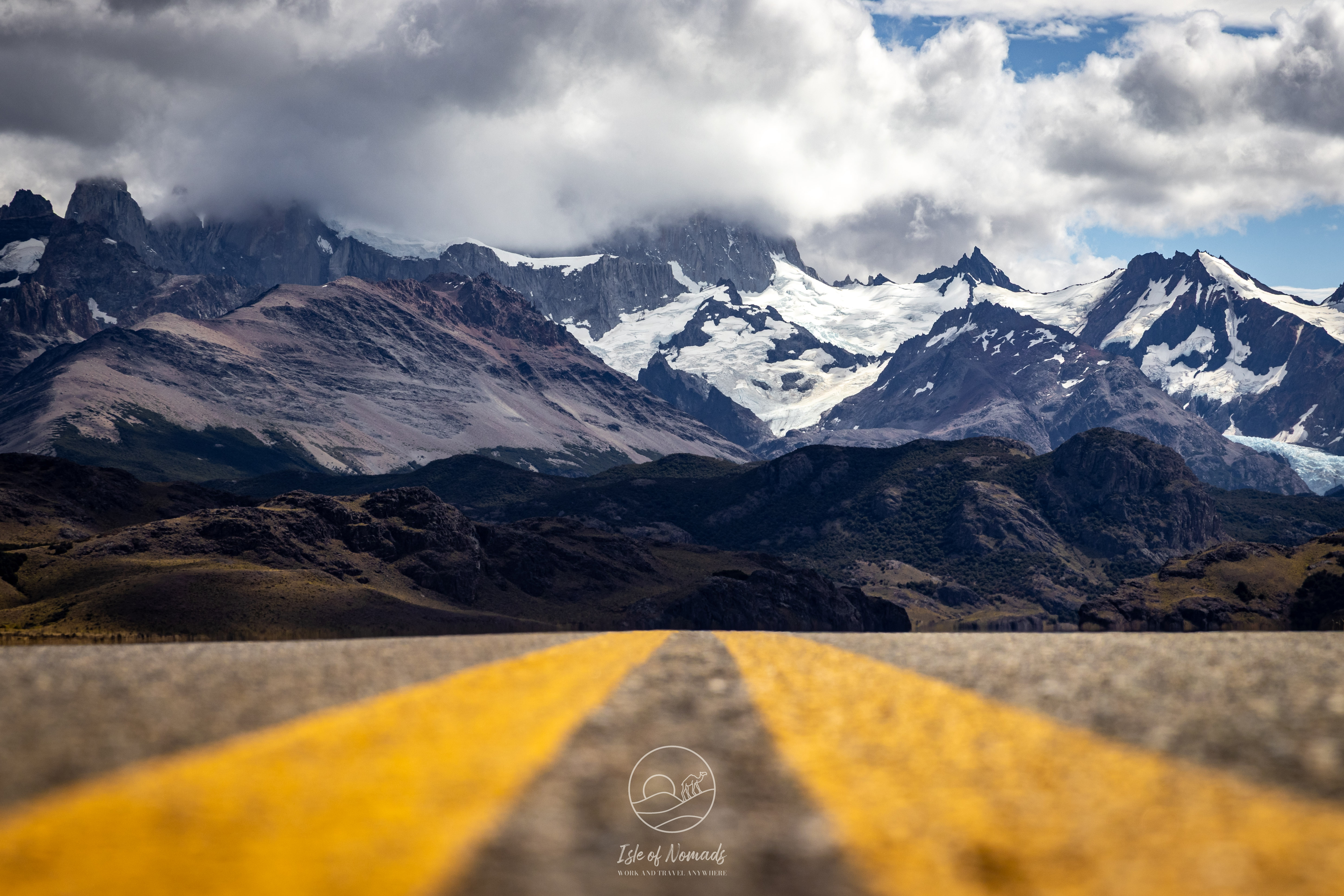
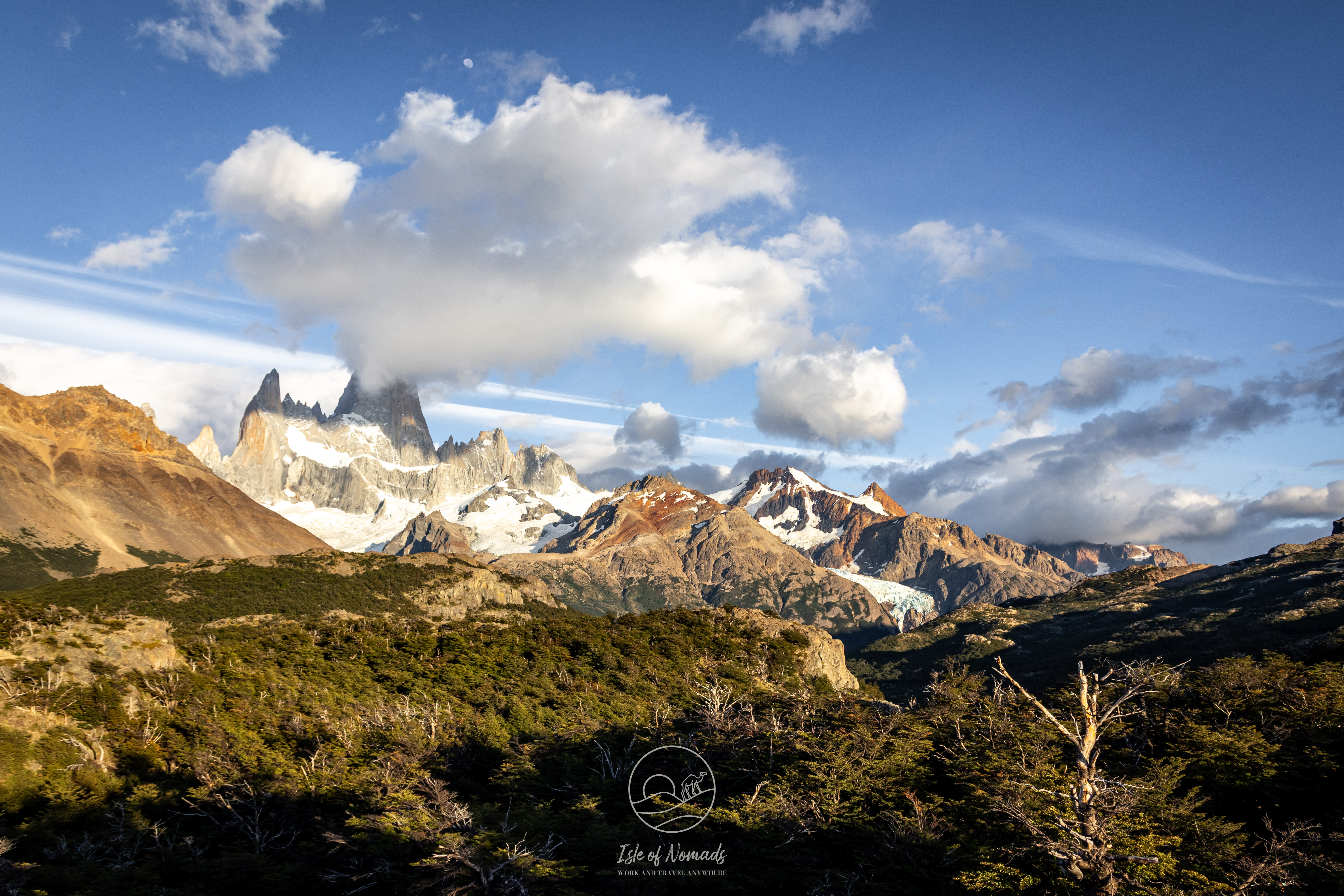
The landscapes in this region are so vast and so dramatic that photos genuinely don't do them justice. Actively calving glaciers, granite spires piercing the clouds, turquoise lakes, and a silence and remoteness that is hard to find anywhere else on this planet. A good friend joined us for this trip, which made the long drives more fun and the costs a bit lower. If you're willing to put in the planning work (or just steal our itinerary below), Patagonia will pay you back tenfold.
Every place in Patagonia we’d send you to.
Everything that made the cut from our 4 weeks on the road, pinned and ready to navigate in your Google Maps.
Covers all of Patagonia except the Carretera Austral, which has its own dedicated map you can buy here.
- 39Hotels
- 52Restaurants
- 36Sights
- 28Hidden gems
✓ Used by 155+ travellers
Know before you travel
Book the key pieces far in advance
This is the single most important thing to know about Patagonia: the critical bottlenecks sell out months ahead. Refugios on the W Trek open bookings months before the season and the popular dates go fast (more on this in the W-Trek Section below). The Carretera Austral ferries release tickets exactly 2 months in advance and do sell out in high season. Flights within Patagonia are limited, sometimes one per day and route. Book these three things first, then build the rest of your itinerary around them.
Flights get cancelled, busses are delayed, so build in slack
Domestic flights on small Patagonian routes are notoriously unreliable, and airlines will reschedule or cancel with barely any notice. We learned this the hard way: our flight from Puerto Natales to Puerto Montt was pre-poned by almost a full day, and we found out roughly 24 hours in advance, while we were still on the W Trek! You can read the whole saga (it involves a sprint out of a national park and two pumas) in the W Trek part of this article. The lesson: don't plan tight connections around intra-Patagonia flights, check your emails even when you'd rather be offline, and book accommodation with flexible cancellation where possible.
You'll be crossing between two countries
This itinerary moves between Argentina and Chile several times. Bring your passport everywhere, plan a bit of buffer for border crossings (the bus crossings can take a while), and know that you cannot bring fresh food (fruit, vegetables, meat, dairy) across the border into Chile. Chilean customs checks are thorough (they searched all our bags with dogs) and the fines are real. Eat your snacks before the border!
Cash, cards and two currencies
You'll be juggling Argentine Pesos and Chilean Pesos. In Argentina, paying by card has become straightforward for foreigners and usually gives you a fair exchange rate, but the economic situation changes quickly, so check the current state before you travel. In Chile, cards work fine in cities, but the remote stretches are a different story: the Carretera Austral ferries, small homestays and some park shuttles are cash only. As a concrete example, we needed around 30,000 CLP per person in cash just for the W Trek catamaran. Get cash in the bigger towns before heading into remote areas.
The weather is wild, pack for everything
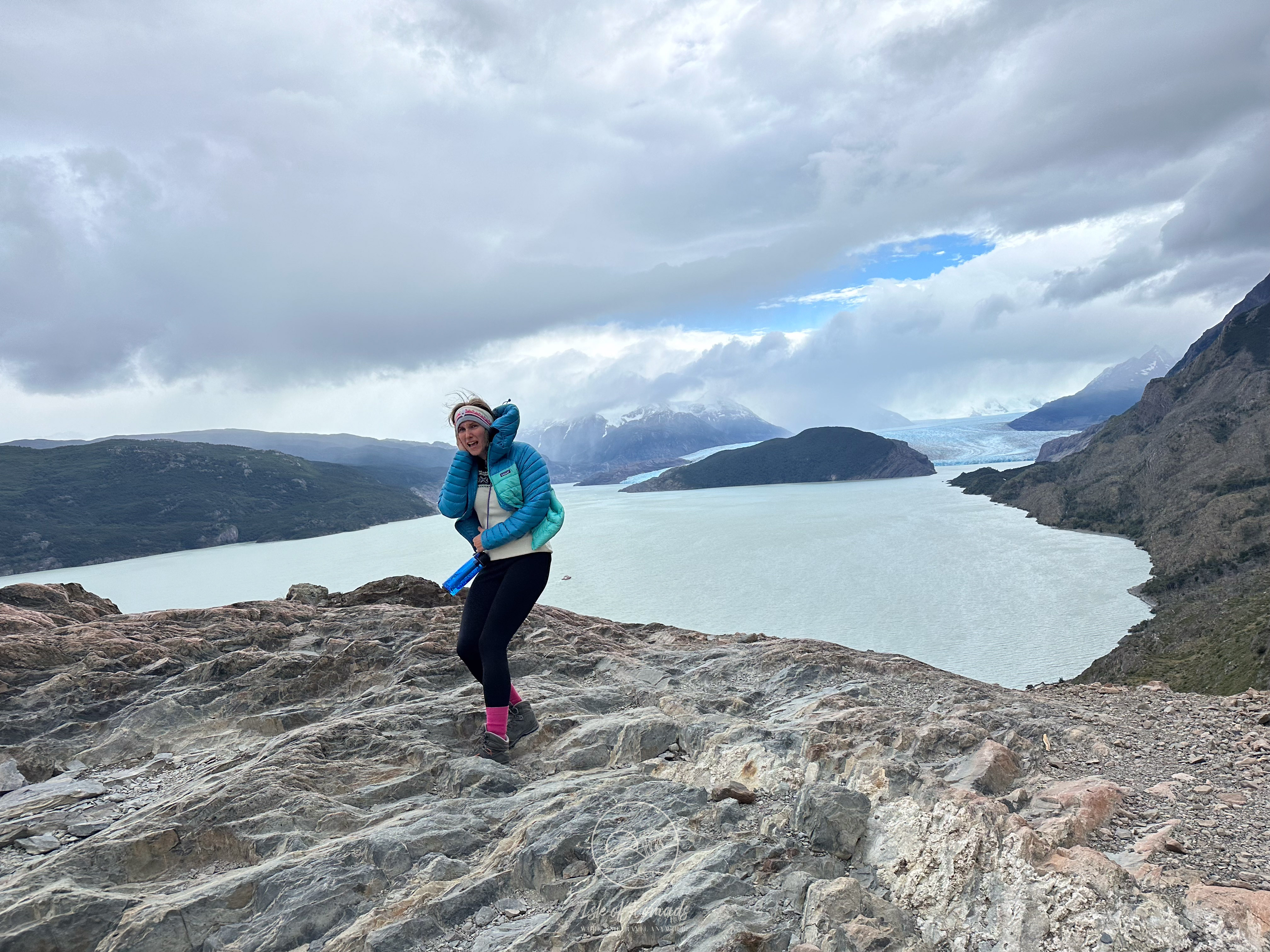
Patagonia is famous for its wind, and the stories are not exaggerated. We experienced gusts that almost lifted us off our feet. On the same day you can have sunshine, rain, and near-freezing wind chill. Pack proper layers (merino base layers are worth their weight in gold here), a good rain jacket, and sun protection. The weather changes fast, so always bring more layers on a hike than the morning sky suggests.
Be honest about your fitness
The hikes in this itinerary are not technical, but several of them are long: 20+ kilometres with around 1,000 metres of elevation gain. We actually trained for this trip specifically, especially to manage the W Trek in 3 days, and I'm glad we did. If you're a regular hiker, you'll be fine. If not, don't worry: I've noted easier alternatives throughout the itinerary, and Patagonia is spectacular even from the shorter trails and viewpoints.
What is the best way to travel around Patagonia?
The short answer is: No one transportation mode is perfect for every part, so you will need to switch it up. You can't just rent one car for all of Patagonia. Cross-border rentals between Chile and Argentina are complicated and expensive, and one-way rentals add hefty fees. When I researched our trip, I quickly discarded both options.
What works best instead is a combination:
Rental cars per region: We rented a car twice: once in El Calafate for the Argentinian leg (Discover Cars works well for comparing), and once in Puerto Montt for the Carretera Austral. For the Carretera Austral we can highly recommend the local provider Prime Rent a Car, who were fantastic to deal with (more in our Carretera Austral guide.
Buses for the border crossings: The bus network between the main hubs (El Calafate, Puerto Natales, Bariloche) is reliable and comfortable. Book ahead on routes with few departures: the El Calafate to Puerto Natales route had exactly one bus on the day we travelled. We booked via Busbud and paid around 31 EUR per person.
Flights for the big jumps: Patagonia is huge. The flight from Puerto Natales to Puerto Montt saved us what would have been days of driving. Just remember the reliability warning above.
Within Torres del Paine, you'll use a combination of park shuttle buses and the catamaran across Lago Pehoé.
The W Trek: everything you need to know
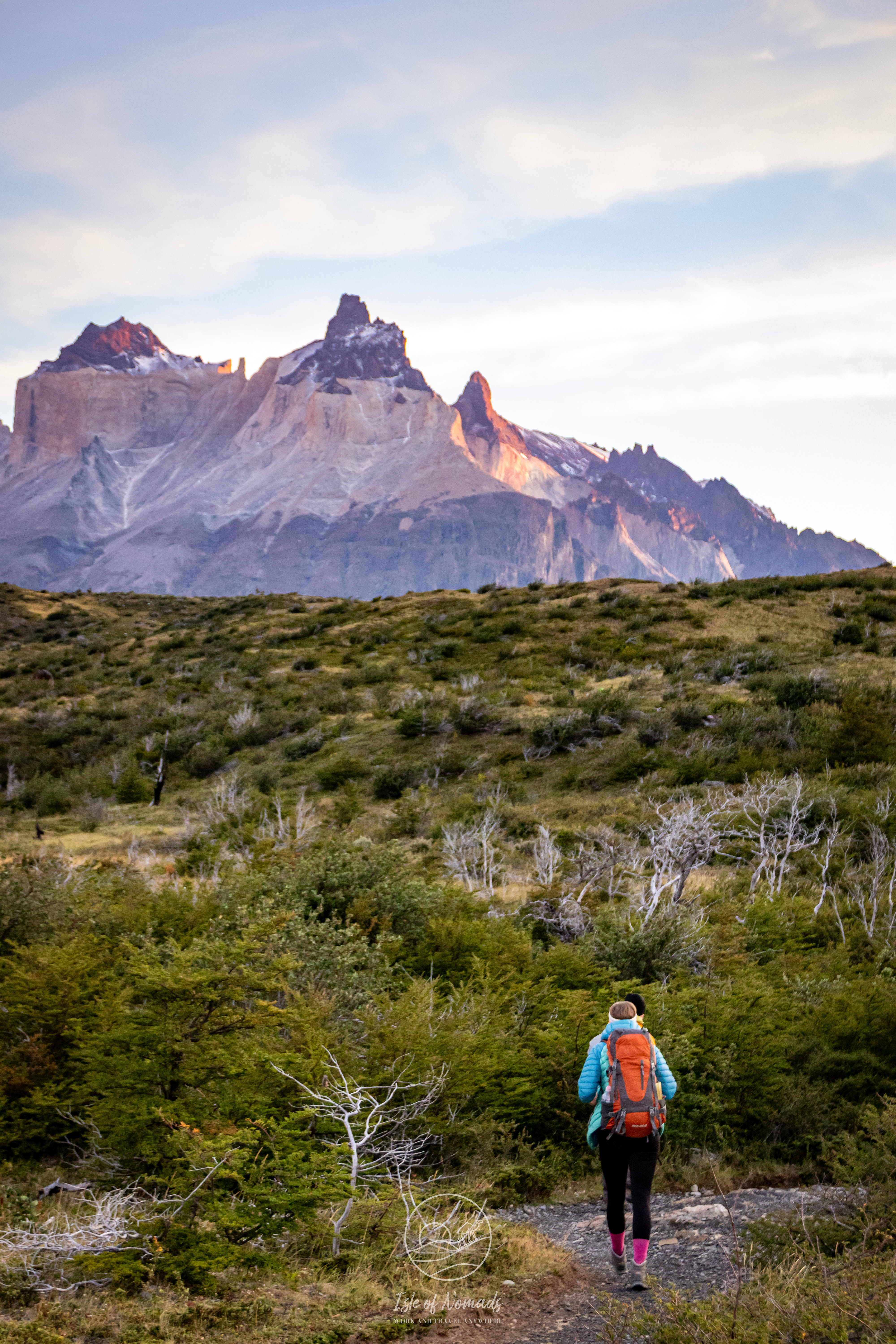
The W Trek in Torres del Paine is the most famous multi-day hike in South America, and it deserves its own section because the planning questions are endless. Here's everything I wish I'd found in one place.
Is the W-trail worth the money?
I have to be honest: I went back and forth on this for weeks. The accommodation along the trail is expensive and, frankly, not very good for the price. We didn't want to carry tents, and the refugio prices made me wince. I would probably have decided against it, but the friend travelling with us insisted it was a must-do and absolutely wanted to go.
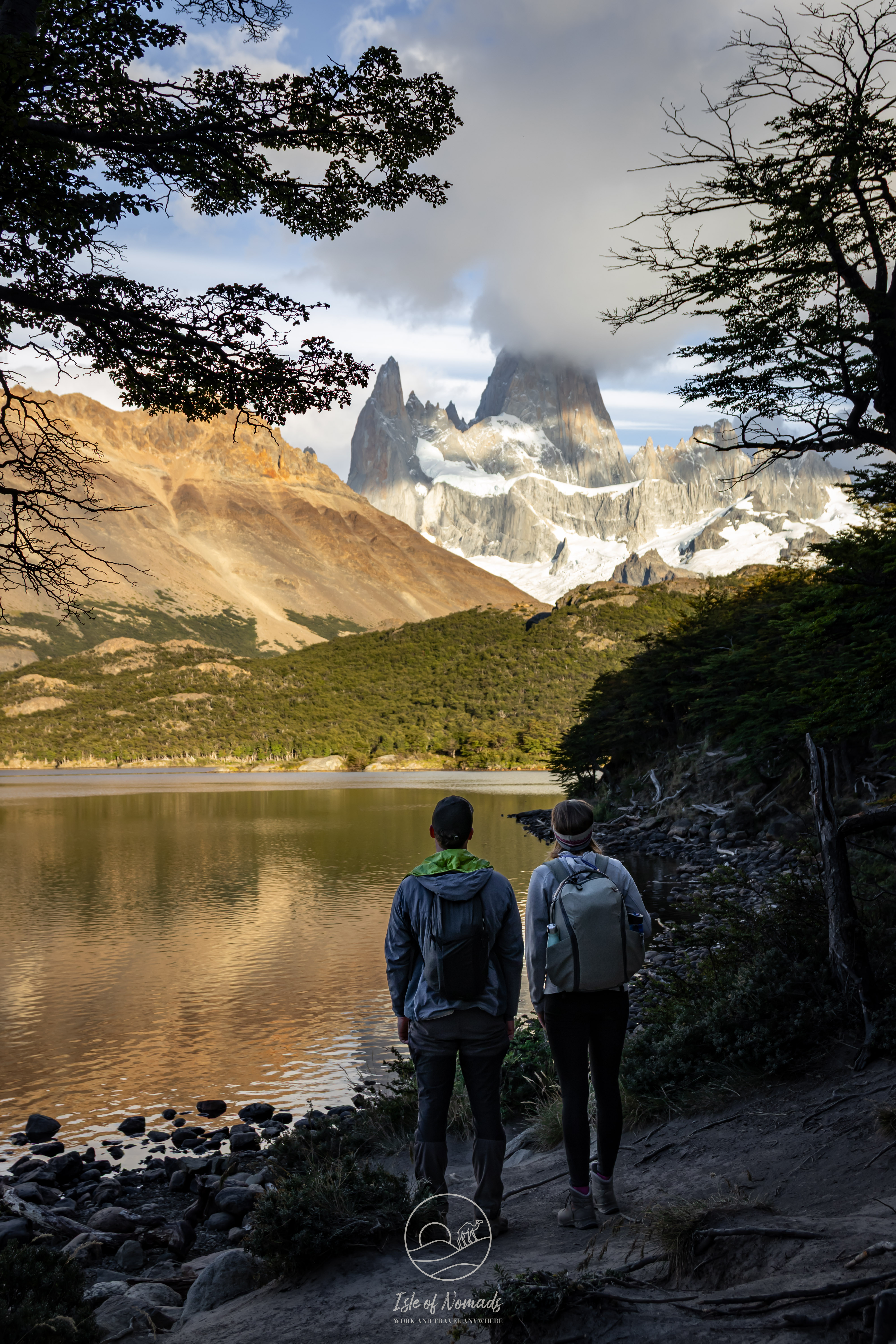
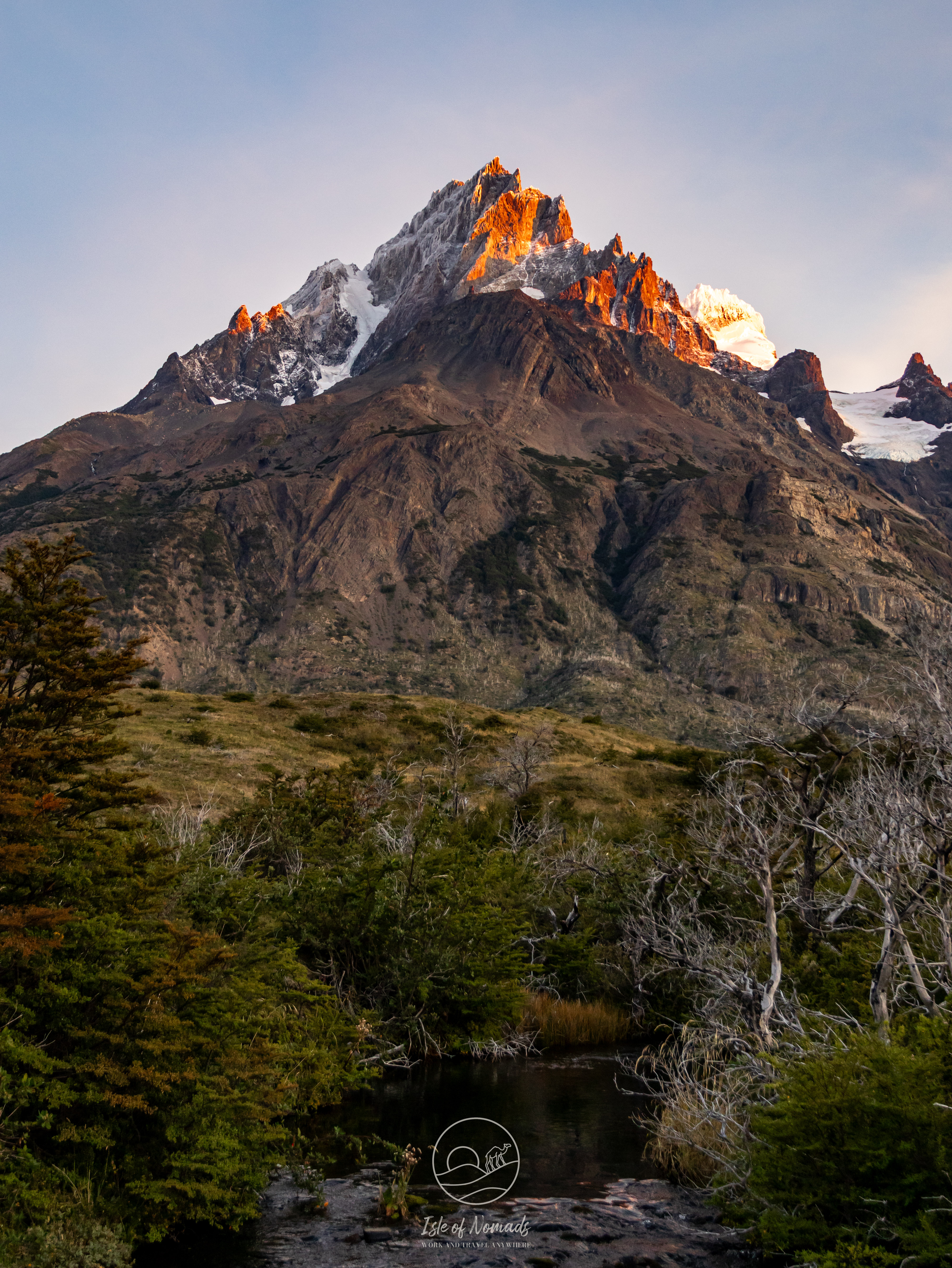
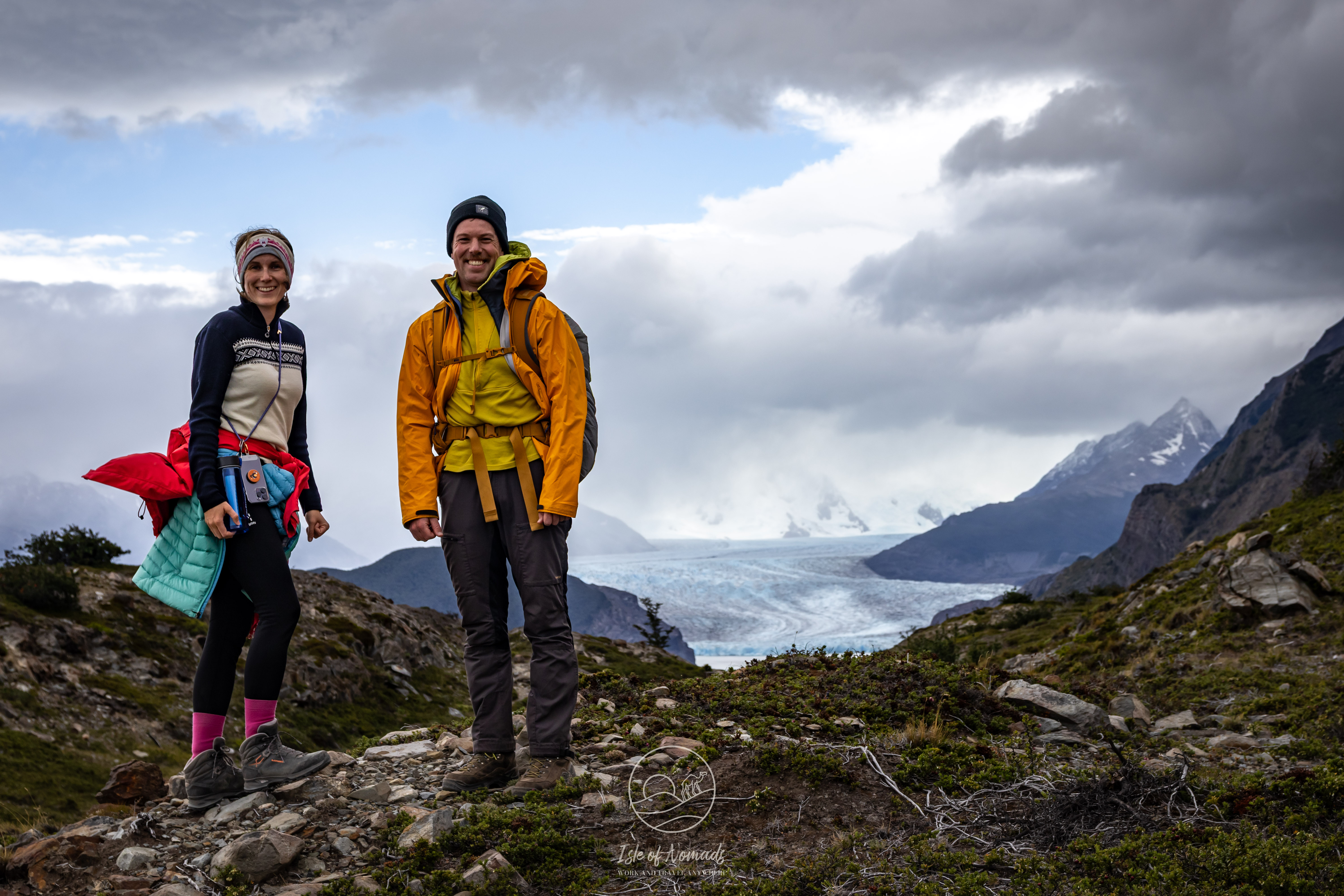
And now, having done it? He was right. Even though it was very expensive, and even though we ended up paying for a night we never used (see the saga below), I would decide to do the W Trek again every single time. Walking for days through that landscape, with Glacier Grey, the French Valley and the towers as your reward stations, is an experience that stays with you. I was surprised by how much I liked just moving my body every day: I had never done a hike as long as this before and just setting one foot in front of the other quieted my mind like no other vacation I have taken before. (I now get why people do the Camino de Santiago!) If you're reasonably fit and it's within your budget, do it.
Which direction?
I recommend West to East. You can hike the W in either direction, and again, this is a topic I researched a ton beforehand. We went west to east, and I'm convinced it's the better way:
- You start with the catamaran across Lago Pehoé to Paine Grande. The boat has fixed departure times, so getting this logistical piece done on day one makes the rest of your trek flexible.
- The scenery builds towards a climax: you end with the Mirador de las Torres, the iconic granite towers, as your grand finale. Ending with the best is so much more satisfying than starting with it. (Although I have to say I liked the second day hike best in terms of landscapes along the path)
- You exit the park on the east side at Laguna Amarga, which connects directly to the buses back to Puerto Natales.
How to book the refugios (start early, but don't despair)
Here's the part that confuses everyone: accommodation inside the park is run by two separate companies, and depending on your route you'll almost certainly need bookings with both. There is no single official booking system for the whole trek.
- Vertice Patagonia runs the western side of the W: Refugio & Camping Paine Grande and Refugio Grey. You book directly on their website at vertice.travel.
- Las Torres Patagonia (formerly known as Fantástico Sur) runs the eastern side: Central, Chileno, Los Cuernos and Francés. Bookings go through their website at lastorres.com.
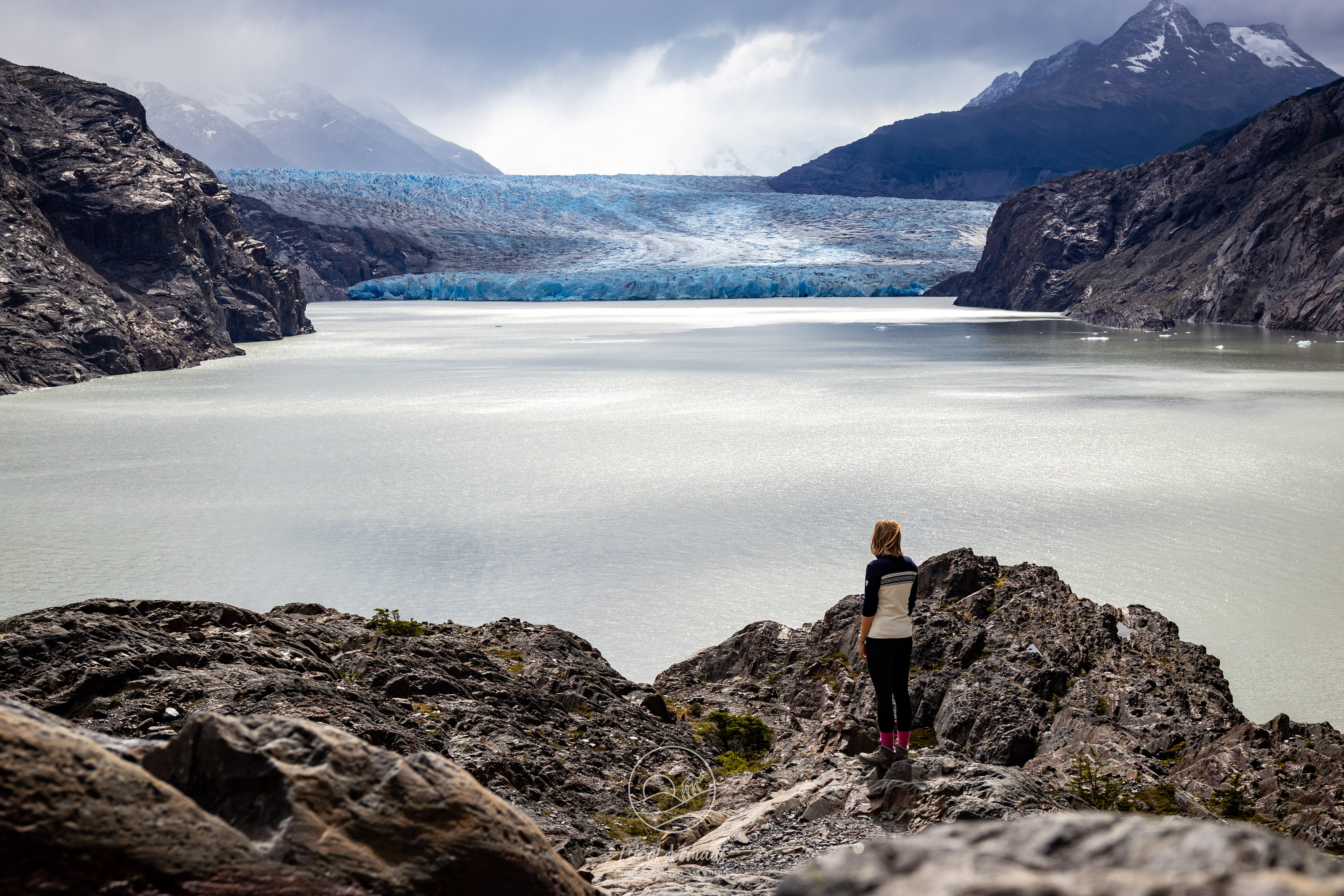
You need confirmed reservations for every night before entering the park (rangers can check them). Bookings for the season typically open in the northern-hemisphere spring, roughly April to June for the December to February peak, and the popular dates sell out quickly. There are also third-party platforms that aggregate availability across both operators and let you book everything in one go for a markup; they can save you some sanity, but we booked directly with the operators and it worked fine.
If you discover the nights you wanted are booked out at the refugio of your choice, there is hope though: people cancel a lot. When we booked, one of the nights we needed was fully booked. We simply kept checking every few days, and a spot opened up. So if your dates show as sold out, don't give up immediately.
Refugio or camping?
Your accommodation choice makes an enormous difference to the price of this trek:
- Camping with your own gear is by far the cheapest option: campsite fees start at roughly 12 to 15 USD per person per night at the Vertice-run sites (the Las Torres-run sites charge noticeably more). You carry your tent, sleeping bag, mat, food and stove. This is the budget way to do the W trek, and thousands of people do it every season.
- Camping with rented gear (tent, bag and mat rented at the campsites) sits in the middle, roughly doubling to quadrupling the camping cost depending on the operator.
- Refugio beds are the comfortable option: a dorm bed with bedding, no gear to carry. Prices vary a lot between the two operators, from around 50 to 100 USD per person at the cheaper end to considerably more at the Las Torres refugios.
- Meals can be added at all refugios: breakfast, packed lunch, dinner, or full board.
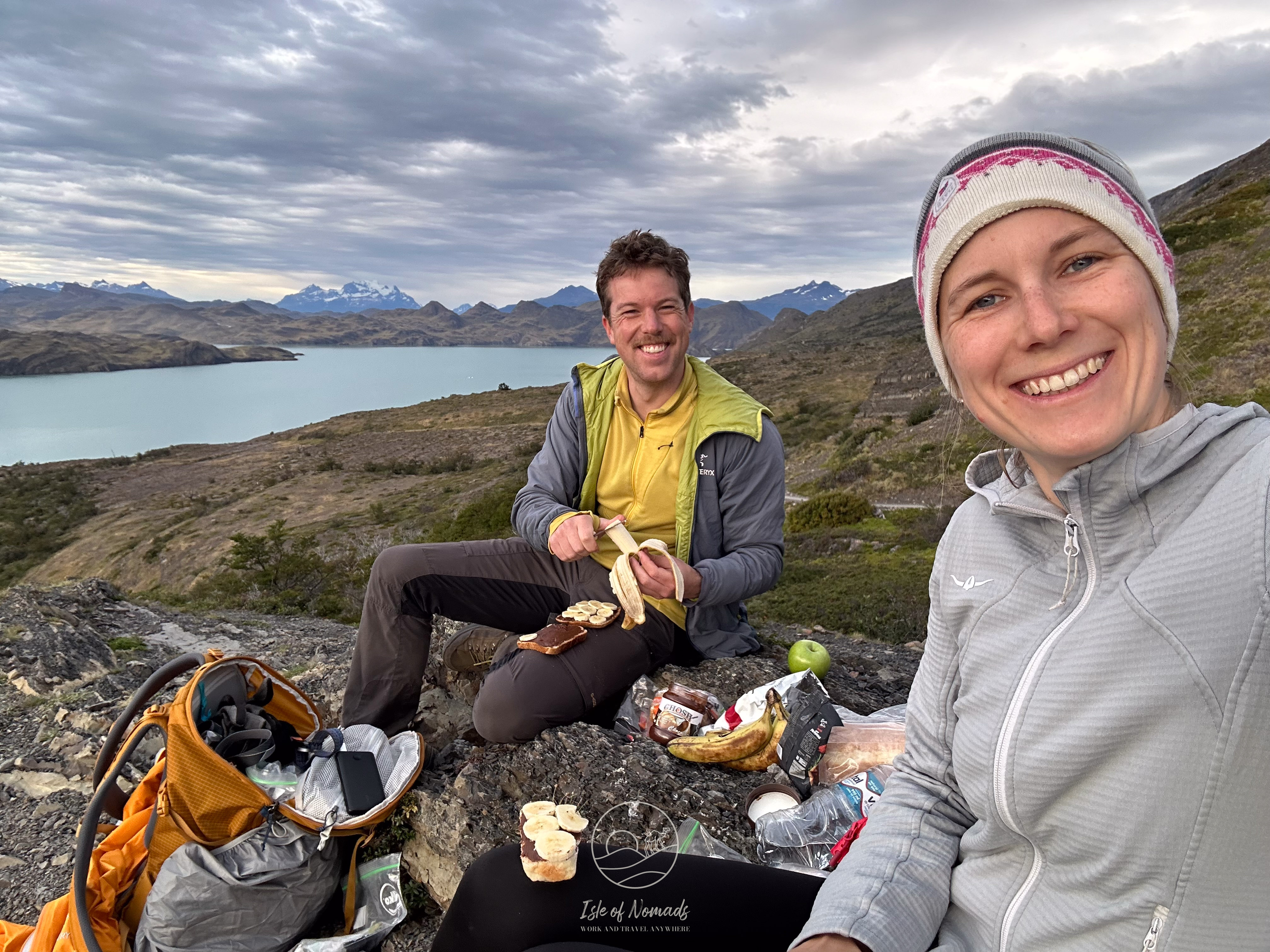
We chose refugio beds plus the dinner option, and carried our own breakfast and trail food. For us, this was exactly the right balance: we could not have done our fast 3-day version carrying full camping gear, and after 8 or 9 hours of hiking, sitting down to a warm cooked dinner made all the difference. If your budget allows, I'd recommend the dinners without hesitation. I do not think you need to pay for breakfast or packed lunch if you are ready to carry your own food.
How to pack and prep
A few things that worked really well for us:
- Calculate your food properly. We actually calculated how many calories each of us would need per day (there are free calculators online for this) and bought food accordingly. It sounds nerdy, but it meant we carried exactly enough and never went hungry. Our staples: lots of bread, two jars of peanut butter, nuts, dried fruit, and other dry food that survives a backpack.
- Merino layers. Light, breathable, warm, and they dry overnight without smelling. Perfect for a multi-day trek where you want to pay light.
- A packable day pack. Bring a small extra backpack so you can leave your main luggage at a refugio and do the viewpoints light (especially the final climb to the towers from Chileno).
- Hiking poles: your call. I took them and was happy to have them on the long descents. Cordt and our friend didn't and they were fine. Depends entirely on your knees and preferences.
- Cash. The catamaran is paid in cash on board, the shuttle buses too. Take roughly 30,000 CLP plus 3,000 CLP per person, plus a reserve for emergencies.
- Buy your park entry ticket online at least 24 hours in advance: https://torresdelpaine.com/en/torres-del-paine-2/useful-tips/entrance-fees/
- Luggage storage: most people don't want to haul their full travel luggage through the park. We left our big bags at Trotamundos Hostel in Puerto Natales for around 3 USD per bag, which worked perfectly.
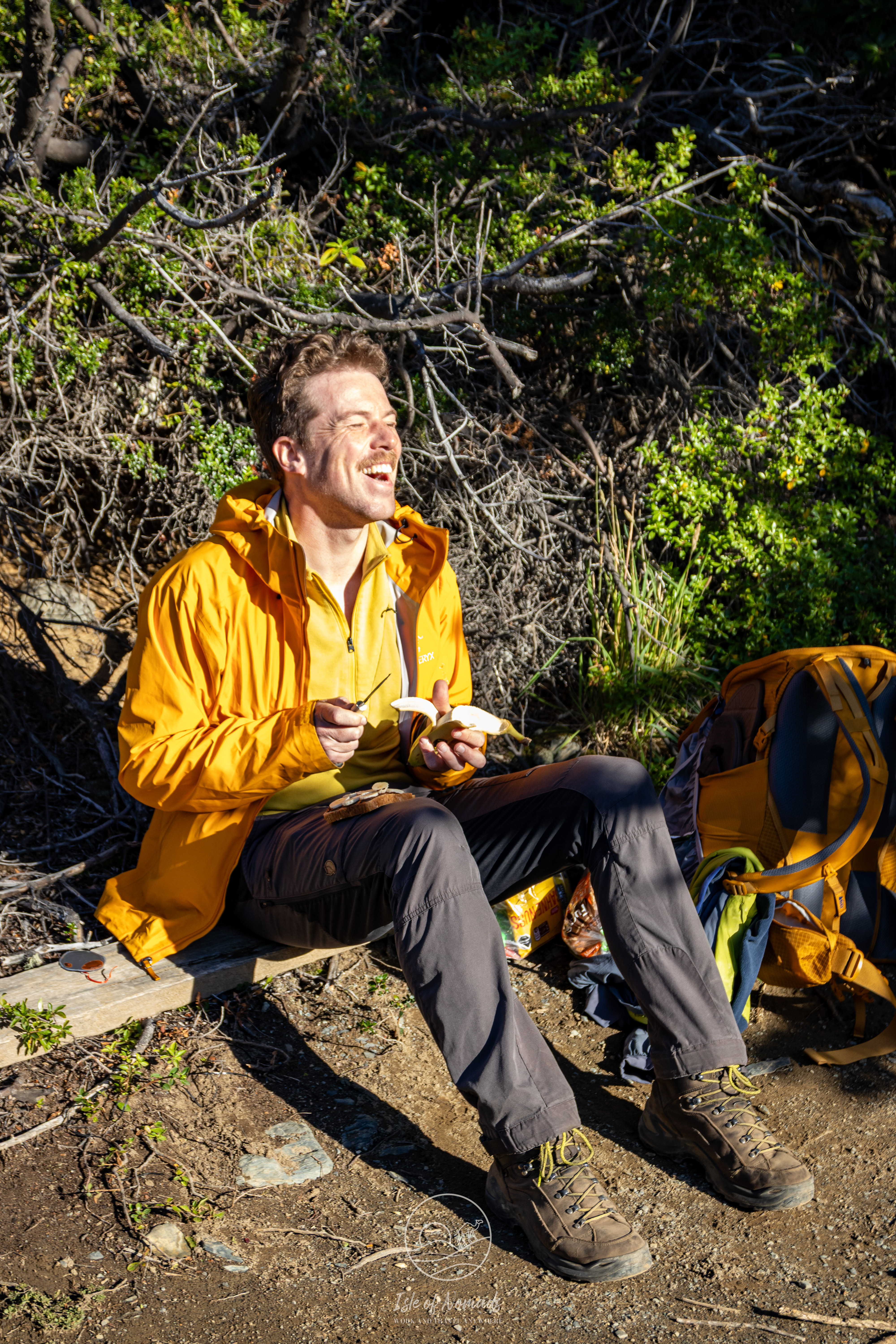
Our 3-day version (and the night everything went sideways)
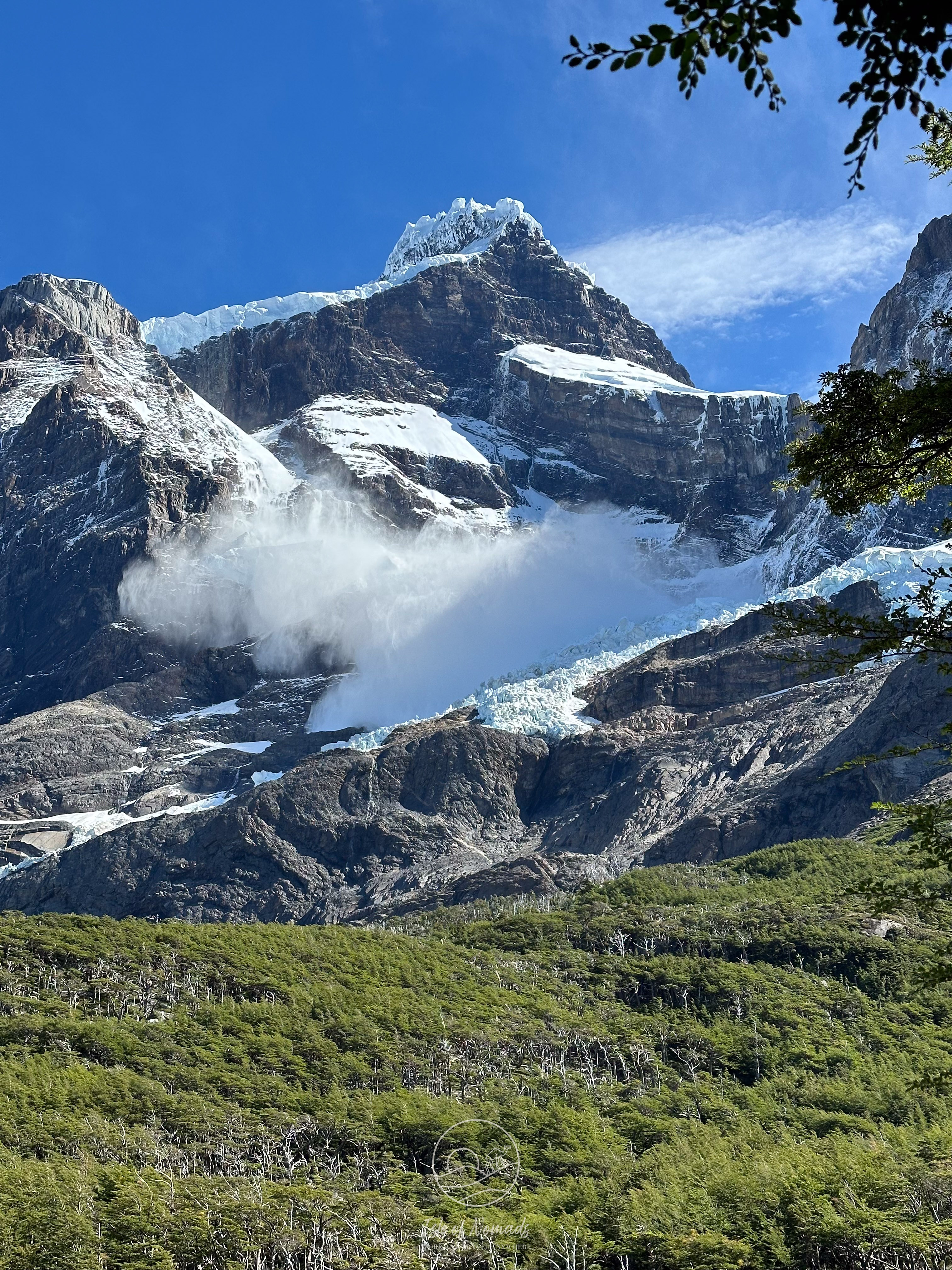
Most people do the W in 4 to 5 days. We planned it in 3 full hiking days with 3 nights, mostly because the accommodation prices made a longer stay hard to justify. For reference, our three days looked like this: Grey Glacier out-and-back from Paine Grande (about 23 km, Komoot Link Day 1), then Paine Grande to Los Cuernos via the French Valley (about 23.5 km, Komoot Link Day 2), then Los Cuernos up to the Mirador de las Torres and out (about 26 km and over 1,000 metres of climbing, Komoot Link Day 3). It's a lot, but if you're a regular hiker and reasonably fit, it's very doable. We are fit but definitely not athletes, and we managed fine (the specific training beforehand helped though).
In the end, we did it even faster than planned, though not by choice. On the evening of day three, completely exhausted after those 26 kilometres, we had just unpacked our things in our dorm when we paid for the refugio WiFi and found an email: our flight to Puerto Montt, scheduled for the next evening, had been cancelled, and we'd been rebooked onto a flight early the next morning. They let us know barely a day in advance!
So we packed everything back up as fast as we could - without having dinner first! - and sprinted to the bus stop to catch the last bus out of the park. We made it just in time. And then, at the bus stop, the driver started waving at us frantically: two pumas, right there, calmly crossing near the road. These animals are famously elusive, and there they were, as if to apologise for our ruined evening and numb feet. We left the park with the most beautiful sunset I've seen in a long time.
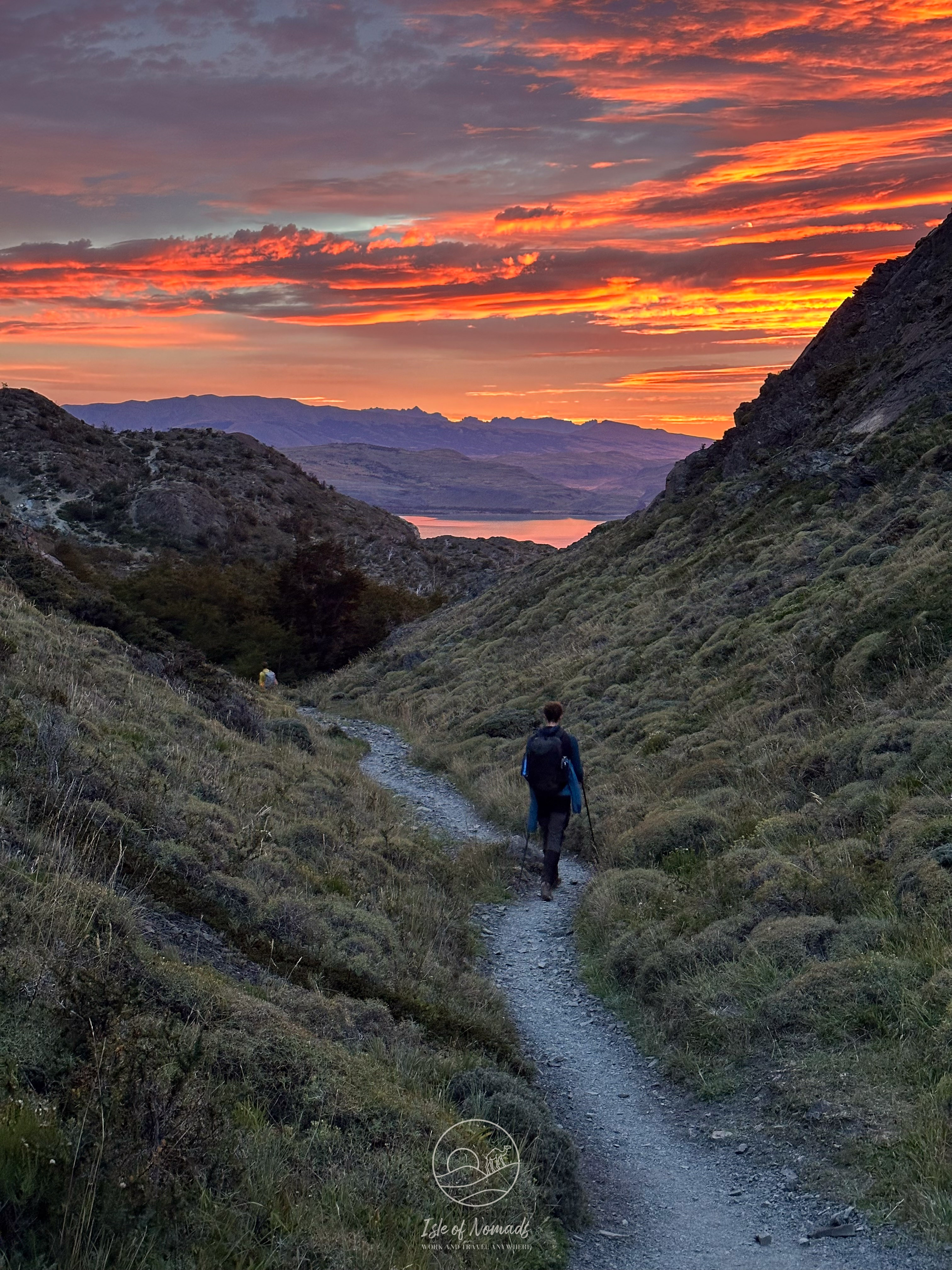
Back in Puerto Natales at 11pm, we then trekked through town ringing at every hotel and hostel, looking for anyone with a free room. A huge shoutout here to the owner of Hostal Camino de Santiago: we quite literally rang him out of bed, and he was incredibly sweet, gave us a room, and even made us breakfast in the morning. He saved our night. We ended the day with dinner in a bar somewhere at 1am, because we hadn't eaten since lunch on the trail. It was chaotic and annoying, and we lost money on the refugio night we never used, but looking back it was also weirdly fun. The lady at the airline counter the next day just shrugged and said this happens all the time. Apparently that's simply how the small routes work down here, so: flexible bookings, and check your emails.
How long should you spend in Patagonia?
The honest answer: as long as you possibly can. Patagonia punishes short trips, because getting anywhere takes time. Here's how I'd think about the options:
Two weeks is the minimum for a satisfying first visit, and you'll need to focus on the southern highlights: the W Trek in Chile, Perito Moreno Glacier, El Chaltén, plus a short stint to the Lake District around Bariloche in Argentina. It's a packed two weeks, but so rewarding!
Three weeks lets you add the Carretera Austral in Chile, one of the world's great road trips and a completely different side of Patagonia: rainforests, fjords, marble caves and empty roads. If you love road trips, this is the sweet spot.
Four weeks gives you time to explore much more in depth: everything above, plus Ushuaia at the End of the World and proper time in Bariloche's Lake District instead of rushing through. If you can take the time off, you won't regret it!
Map Overview
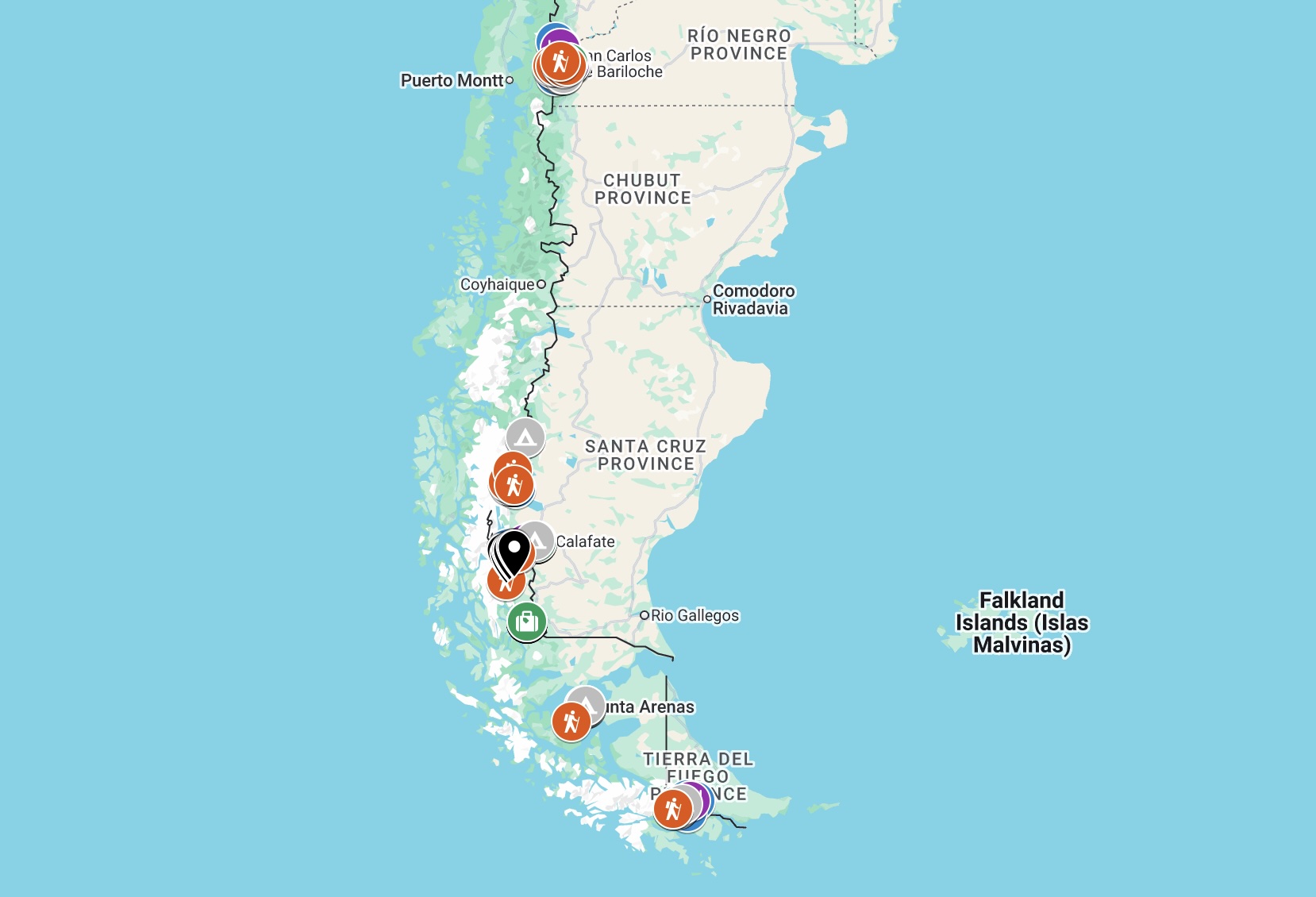
Here's a quick overview of the main stops covered in this itinerary:
Every place in Patagonia we’d send you to.
Everything that made the cut from our 4 weeks on the road, pinned and ready to navigate in your Google Maps.
Covers all of Patagonia except the Carretera Austral, which has its own dedicated map you can buy here.
- 39Hotels
- 52Restaurants
- 36Sights
- 28Hidden gems
✓ Used by 155+ travellers
2 week itinerary
This version skips the Carretera Austral and focuses on the main Southern Patagonian sights. The route is designed so you only do the long El Calafate to Puerto Natales bus once. You fly into Puerto Natales in Chile and end in Bariloche in Argentina, from where you could connect to Buenos Aires to fly out. It's a packed two weeks and I have optimized travel times as much as I could, so some days are quite packed. If you'd rather have a more relaxed version, you can cut out one to two days in Bariloche, giving you time to e.g. do the W trek in 4 days instead of 3.
Day 1: Arrive in Puerto Natales and get ready for the W trail
Fly into Puerto Natales via Santiago in the morning (seasonal direct flights exist; otherwise connect through Punta Arenas). Use the rest of the day to start prepping for the W trail: Rent any gear you need, store your main luggage (we used Trotamundos, ca. 3 USD/bag), buy your trail food and get cash. Buy your park entry ticket online (at least 24h in advance!). See the W-Trek Section for the full packing list and tips.
In Puerto Natales, I can recommend Cumbres Apartments and Casa Lucy. For dinner, Cafe Kaiken makes amazing food. For a full list of where to eat and stay, have a look at our Google Map.
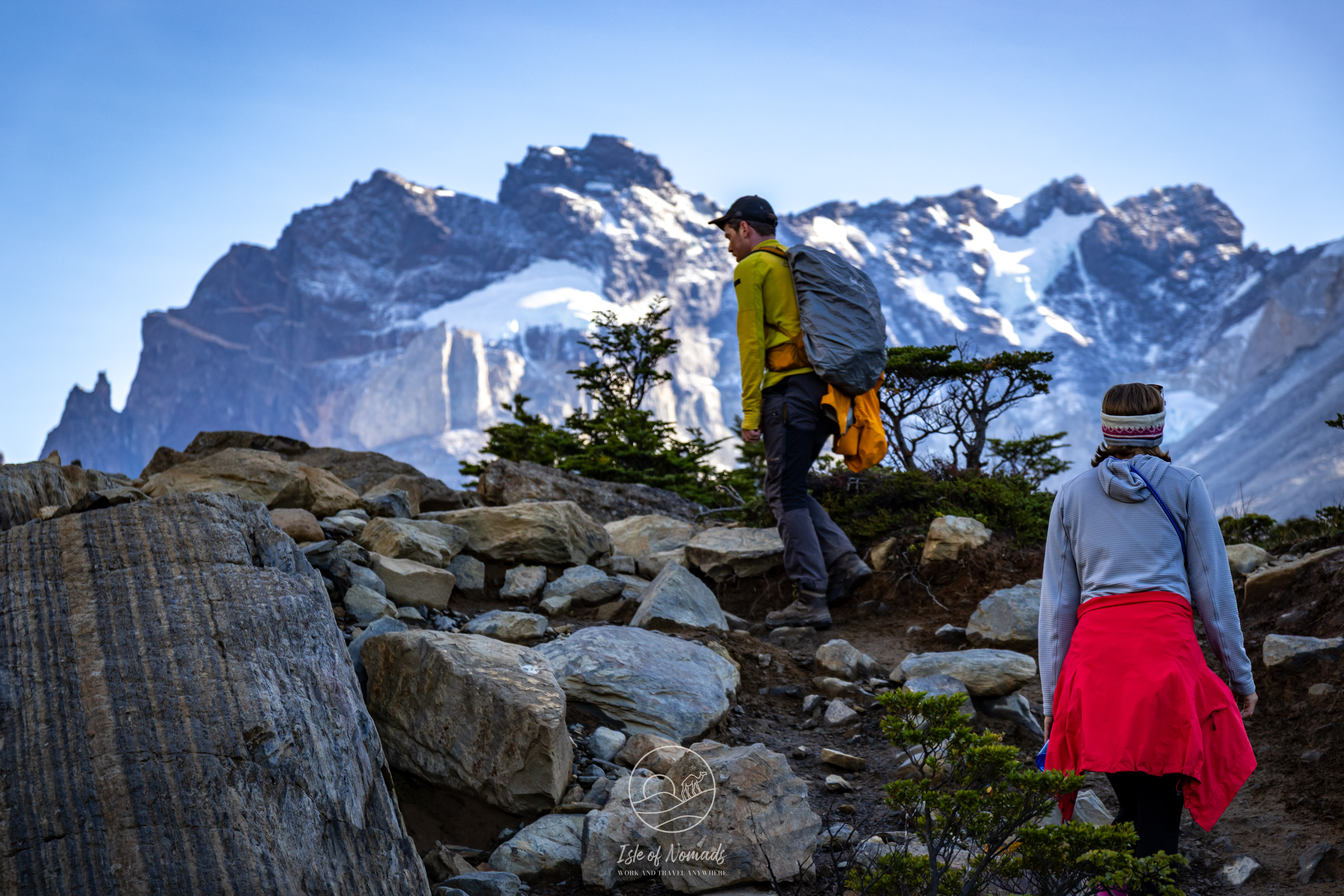
Days 2-4: The W-Trail
Three full days on the W trail, going west to east: take the catamaran to Paine Grande early on the first day (it leaves at 6.45am, getting you to the ferry at 9.45am and to Paine Grande at 11am), then do the Grey Glacier out-and-back on the same day (Komoot Link Day 1). On the second day, it's the French Valley to Los Cuernos (Komoot Link Day 2), and the third day is the grand finale at the Mirador de las Torres (Komoot Link Day 3). Sleep the third night at the refugio near the park exit and leave relaxed the next morning. All details as well as links to the hikes in Komoot you can find in the W-Trek Section above. If you'd rather take it slower, add a fourth day and cut out one day of this itinerary in the lake region.
Day 5: Back to Puerto Natales and bus to El Calafate in the evening
Sleep in, then take the shuttle and bus back to Puerto Natales at 10.30AM. (Instead you could hike this part, but it goes along a dirt road where the shuttles drive, so we decided against it). You'll be back in Puerto Natales at 1PM. Pick up your luggage, return rental gear, and treat yourself to a proper meal before catching the last bus out to El Calafate at 3.30PM. This arrives at around 9.30pm in El Calafate in Argentina.
If this feels too rushed, you could take the bus early the next morning (first bus leaves at 6.30am, getting you there at 10.45am).
Day 6: El Calafate
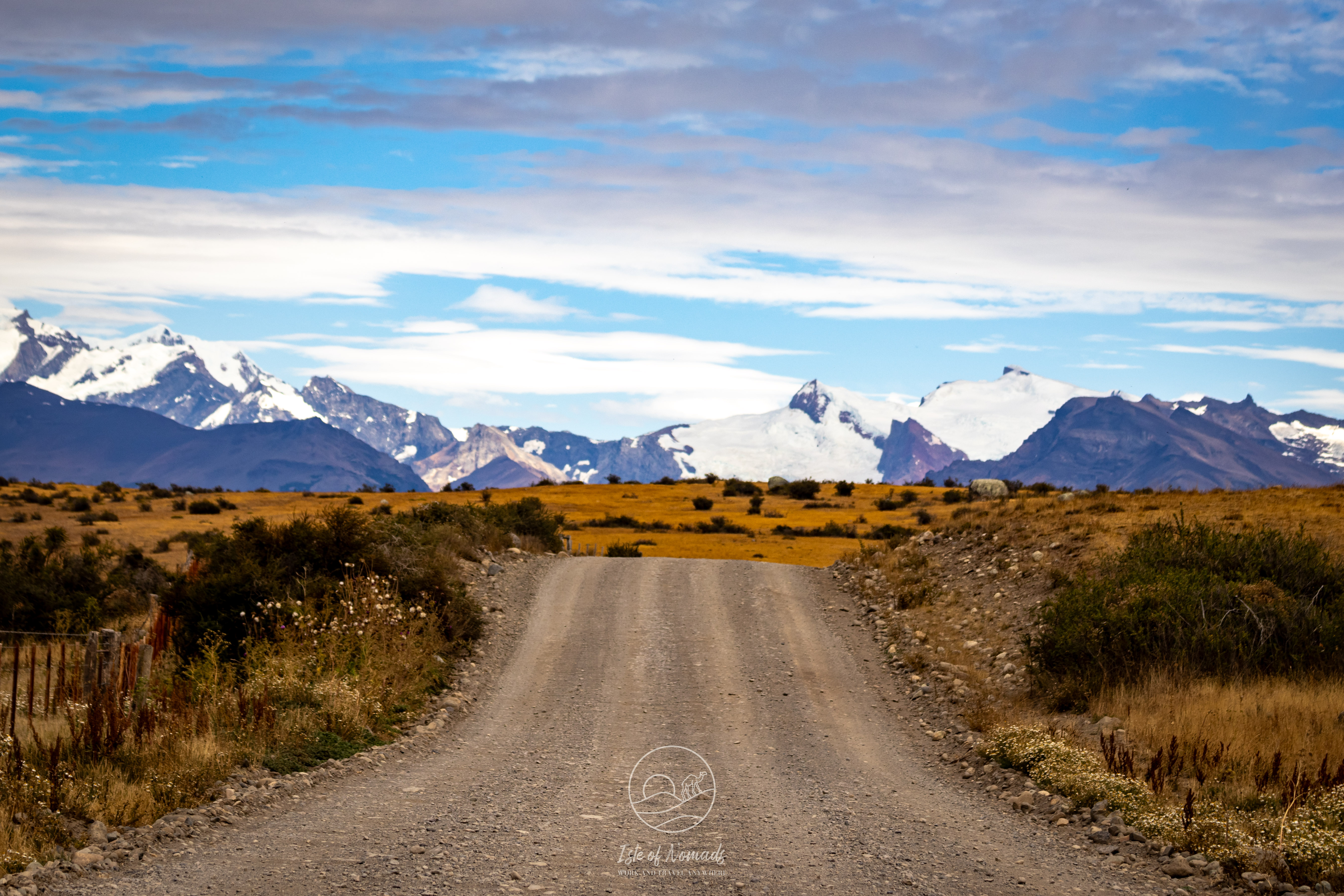
Sleep in, then pick up your rental car and do an afternoon hike if you feel like it. We drove the RP 15 to the Cerro de los Cristales hike and just driving there was beautiful! The good thing is that this is an out and back hike, so you can just go as far as you feel like - we went for a total of 2h (so just one hour up the mountain) and already got spectacular views. Just driving there is already worth it, so you don't even have to hike if your feet still hurt from the W.
Cabanas de Nene and Arroyo de las Piedras are both great options to stay in El Calafate. We loved the food at Lucinda Casa Campo. On our Google Map you can find the full list of recommendations!
Day 7: Perito Moreno Glacier and to El Chalten
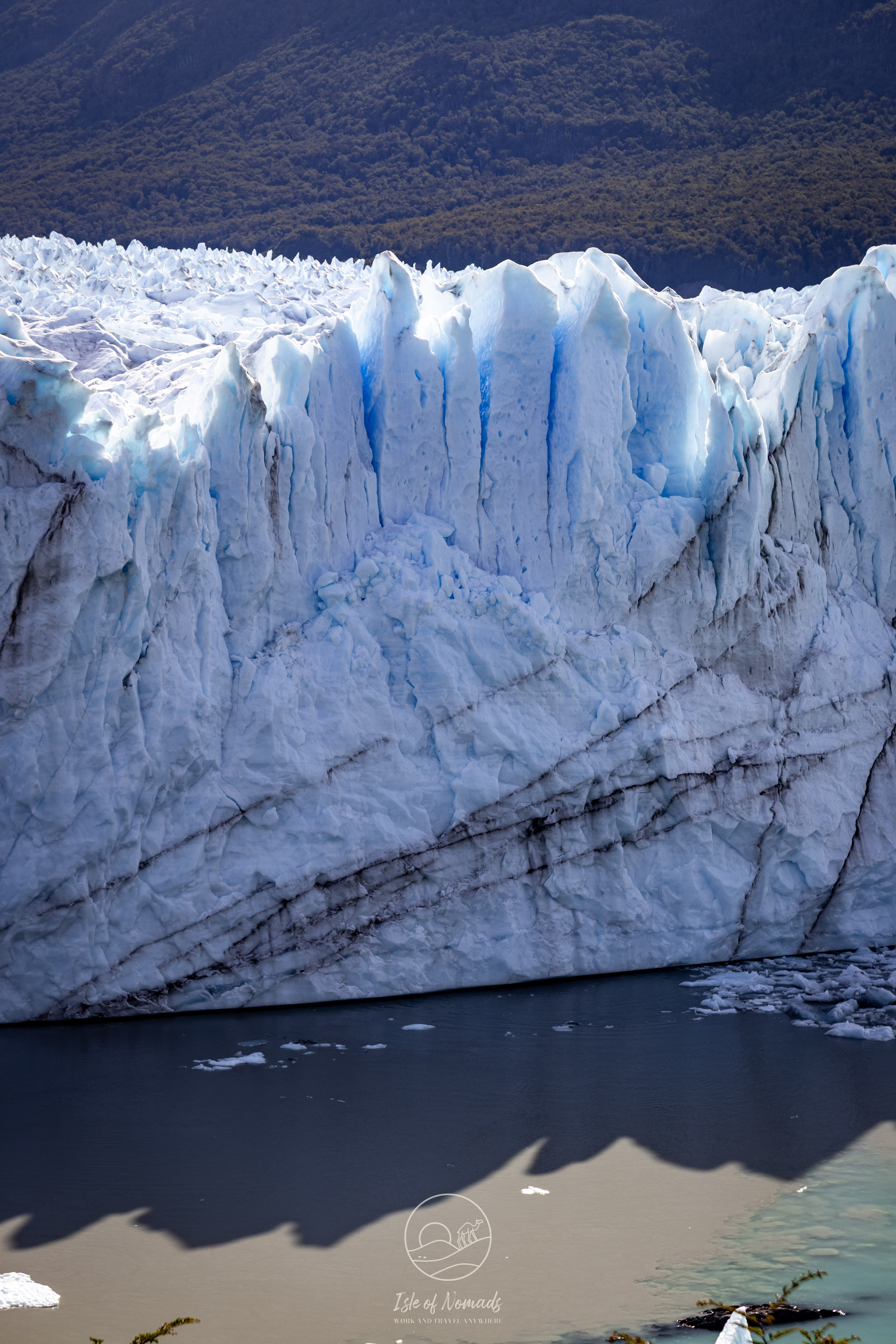
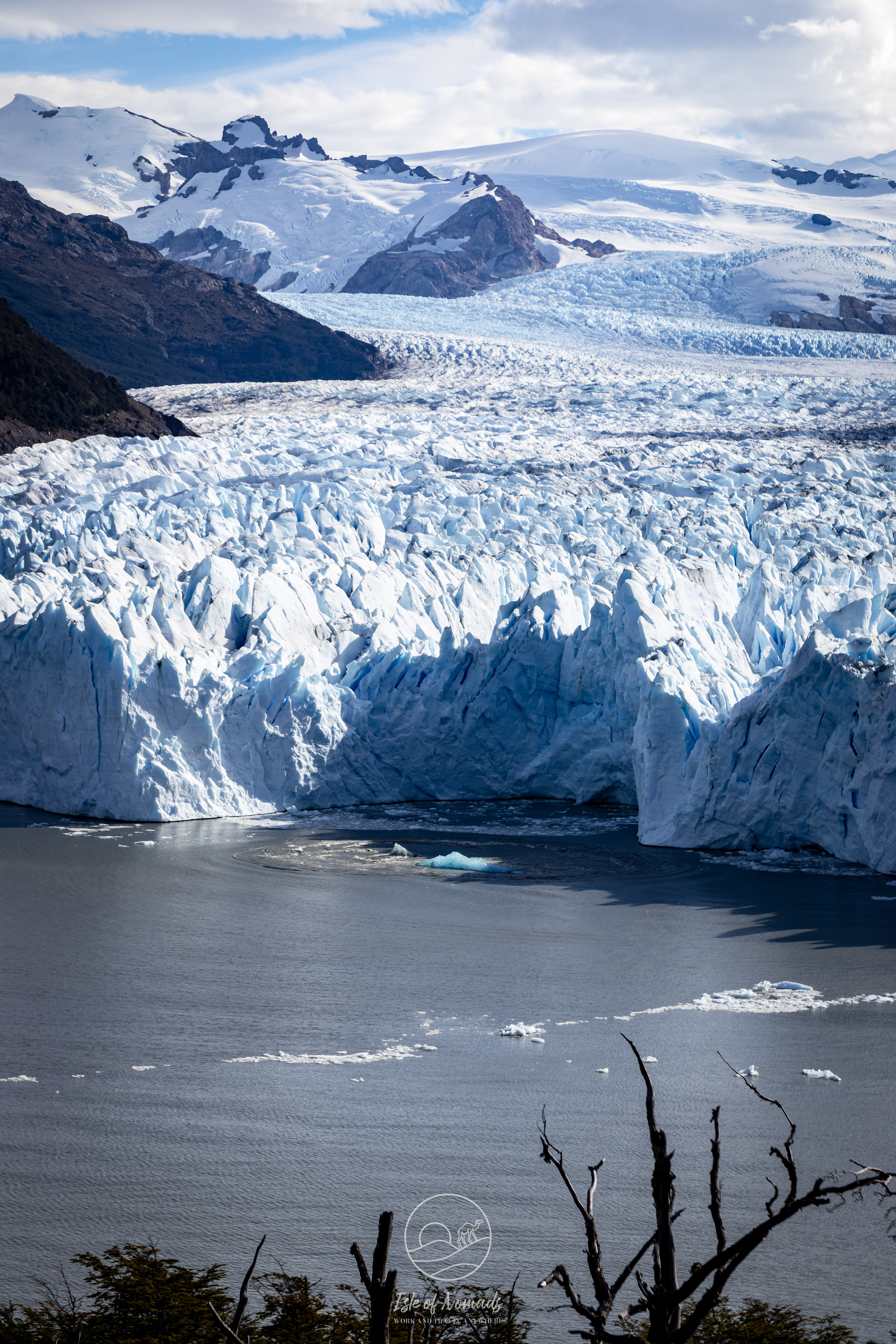
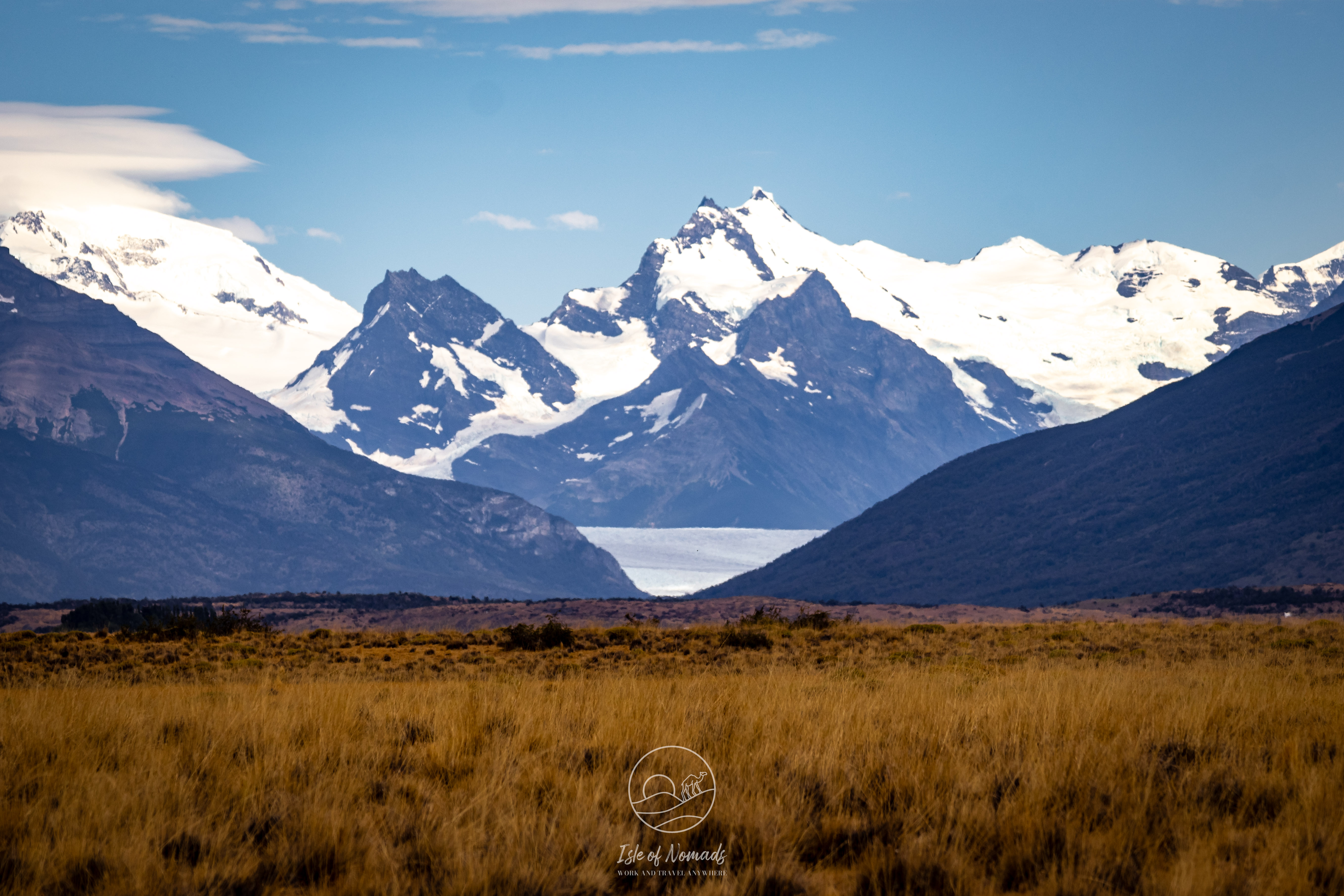
After two days of sleeping in, it is time to get up a bit earlier again today. In the morning start after breakfast at around 8am and visit Perito Moreno Glacier. The glacier is 1h15min drive from El Calafate, and you should allocate 1.5-2h to walk leisurley across the boardwalks that give you a spectacular view of the glacier.
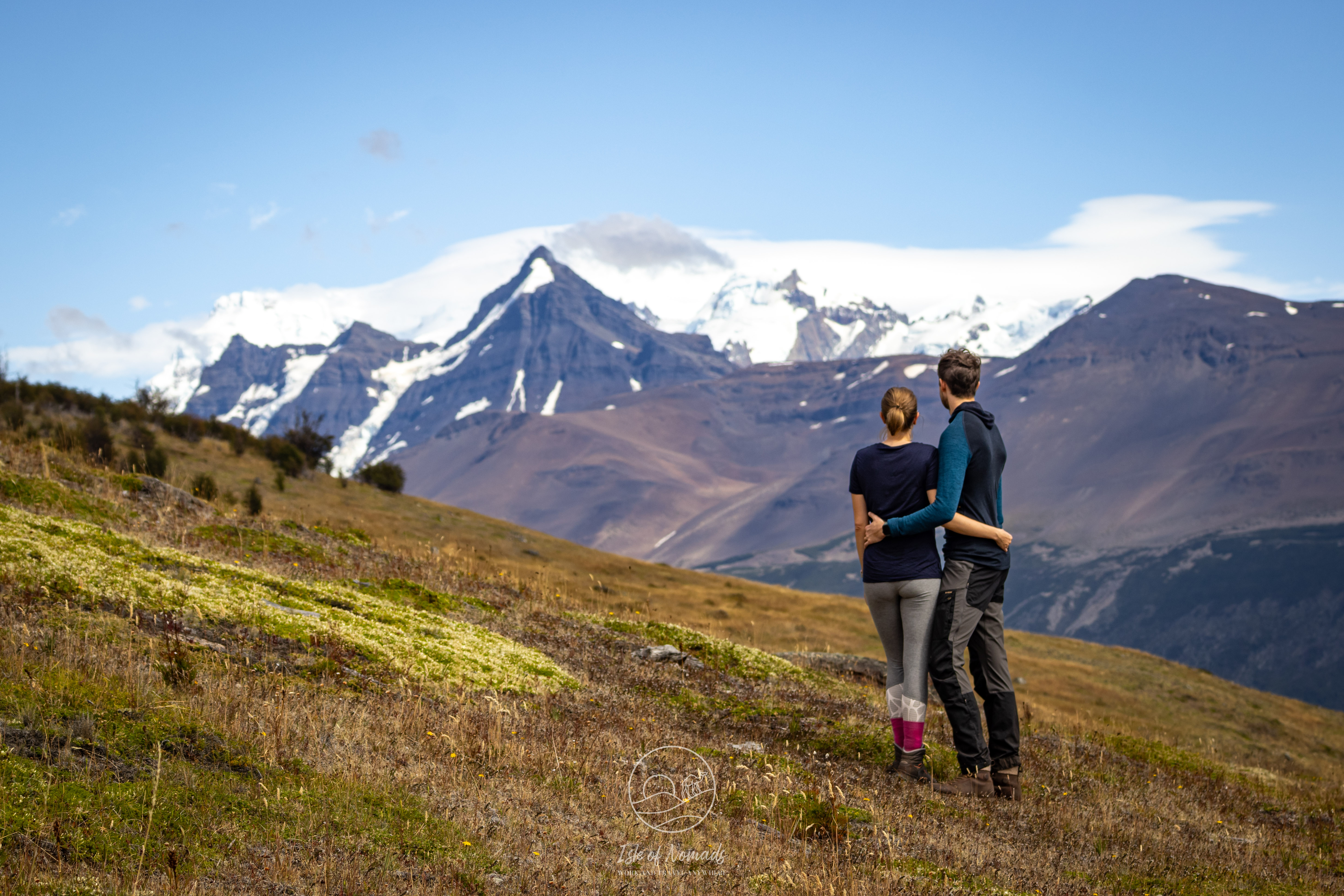
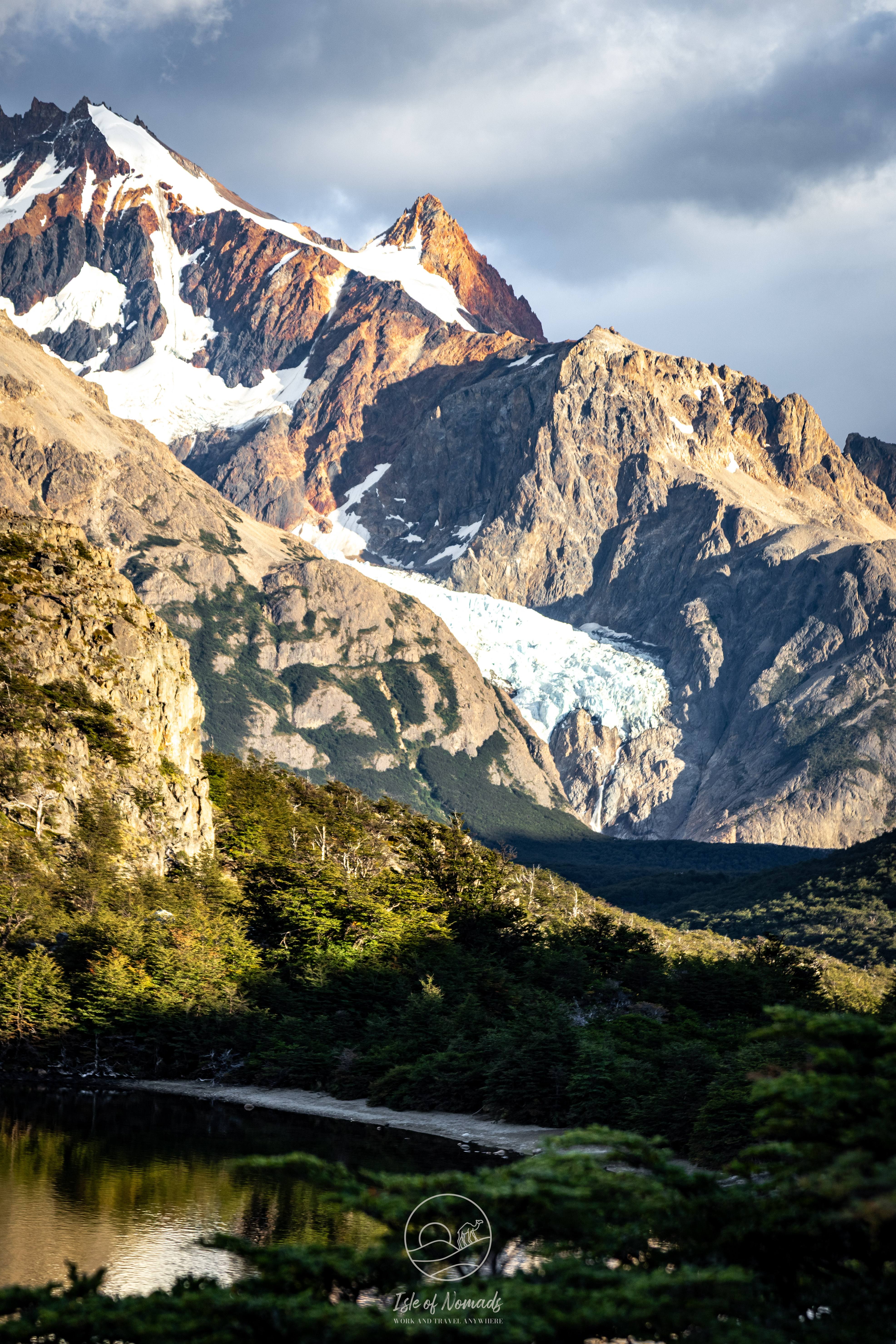
A few words on Perito Moreno: It is one the most incredible natural sights I have ever seen, and I don't say that lightly. The glacier is actively calving almost constantly: you stand on the boardwalks and watch huge chunks of ice thunder into the water. I could have spent hours just staring at it (Cordt and our friend got bored after an hour or so, but I found it absolutely spectacular, such a force of nature!). Do the full boardwalk circuits, they bring you astonishingly close. The boat trip on the other hand is not worth it in my opinion: you don't get a meaningfully better view than from the boardwalks.
Drive back to El Calafate for a late lunch, and don't forget to stock up on groceries for the next few days (there are no large supermarkets in the area you'll head to!). Then make your way to El Chalten in time to reach there for a late dinner. El Chalten is often called Argentina's hiking capital, and already the drive there is spectacular.
We stayed at Las Agachonas Apart and really loved it! La Esquina has amazing cakes, the food we didn't love though, better to head to The Asadores for that. Again, full list of recommendations are in our Google Map.
Day 8: A shorter hike in El Chalten
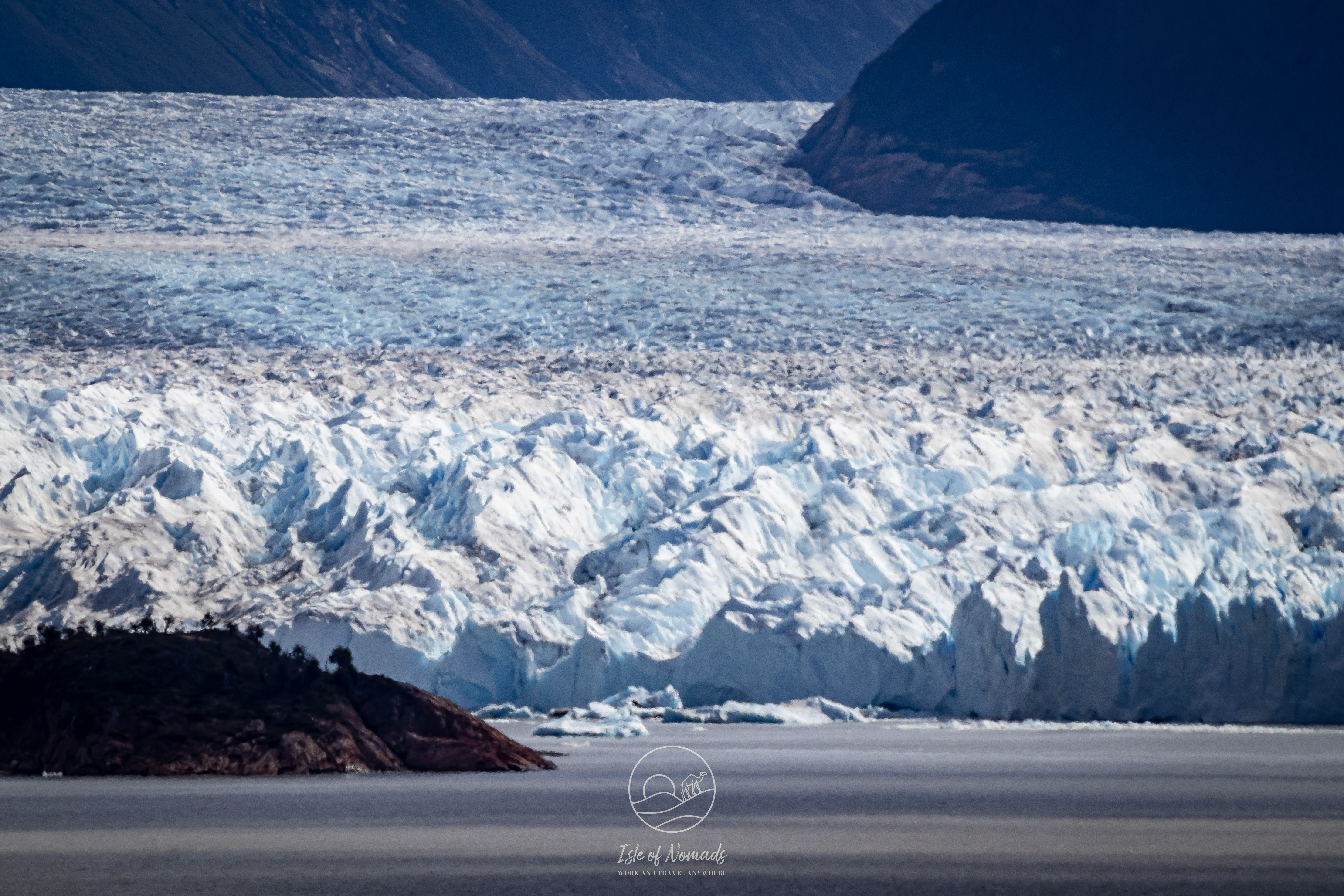
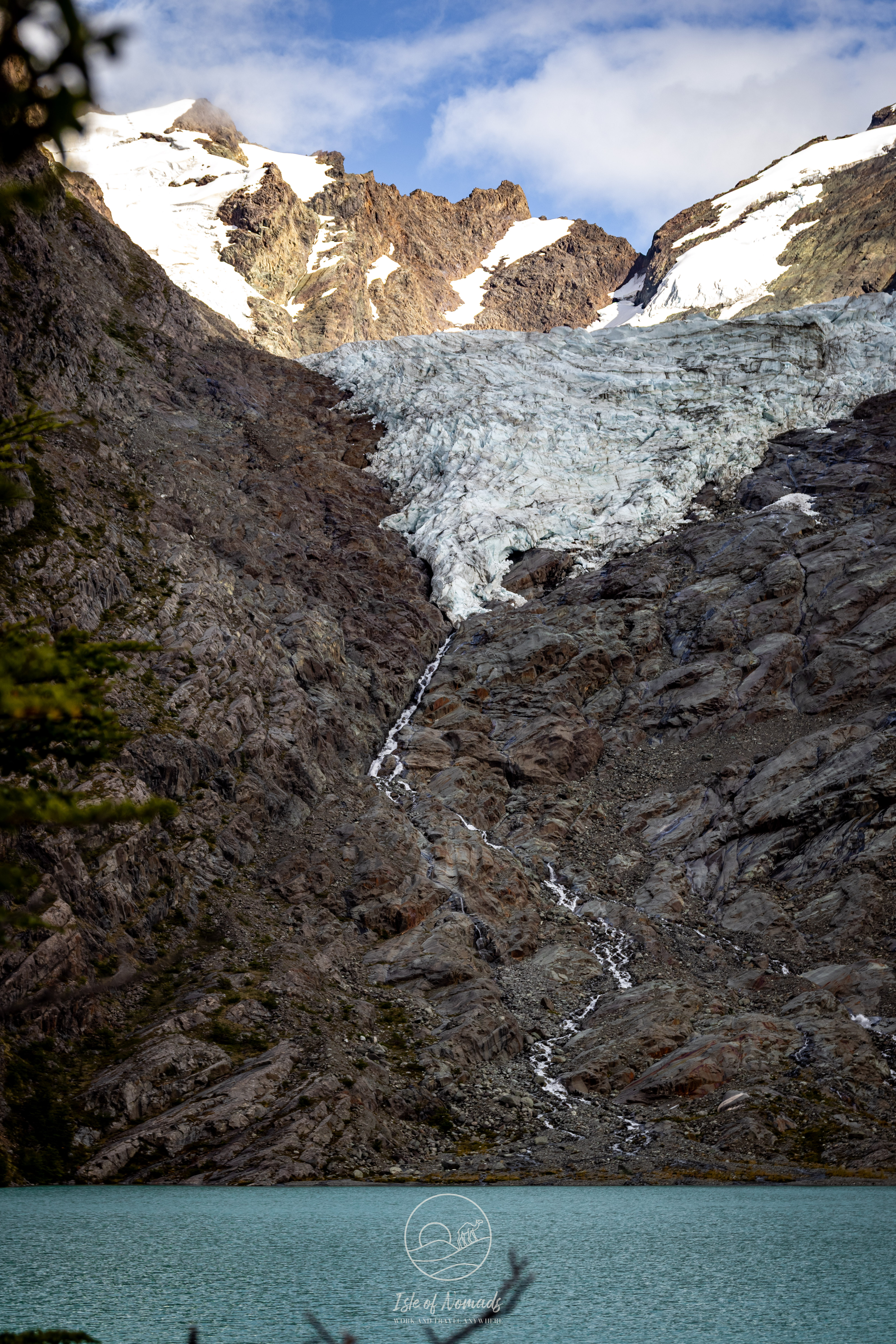
Sleep in and have breakfast, then drive to the Glaciar Huemul Hike. The drive will take you around 2h and it can be done without a 4x4, but be prepared for a bumpy drive! We thought it was worth it though, because again, the views on the road are spectacular as well.
The entrance fee to the hike is 15'000 ARS and it's used to maintain the trail and provide some facilities like toilets. On the hike itself, the views of the glacier and the glacier lake are breathtaking and on a good day you can see as far as the peaks of Fitz Roy. Make sure you also allocate a bit of time to walk on the shores of the pretty Lago de Desierto.
Day 9: Laguna de los Tres
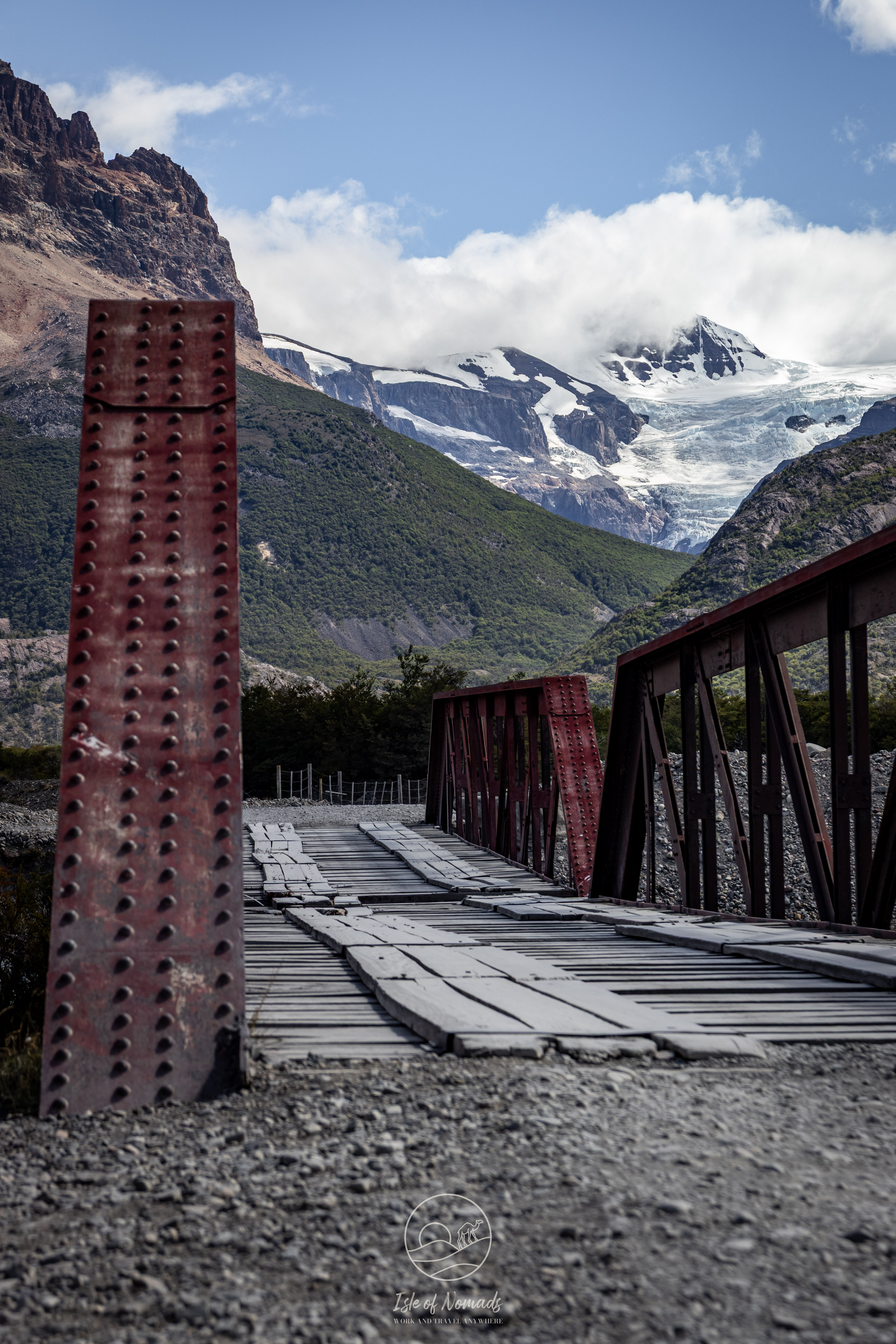
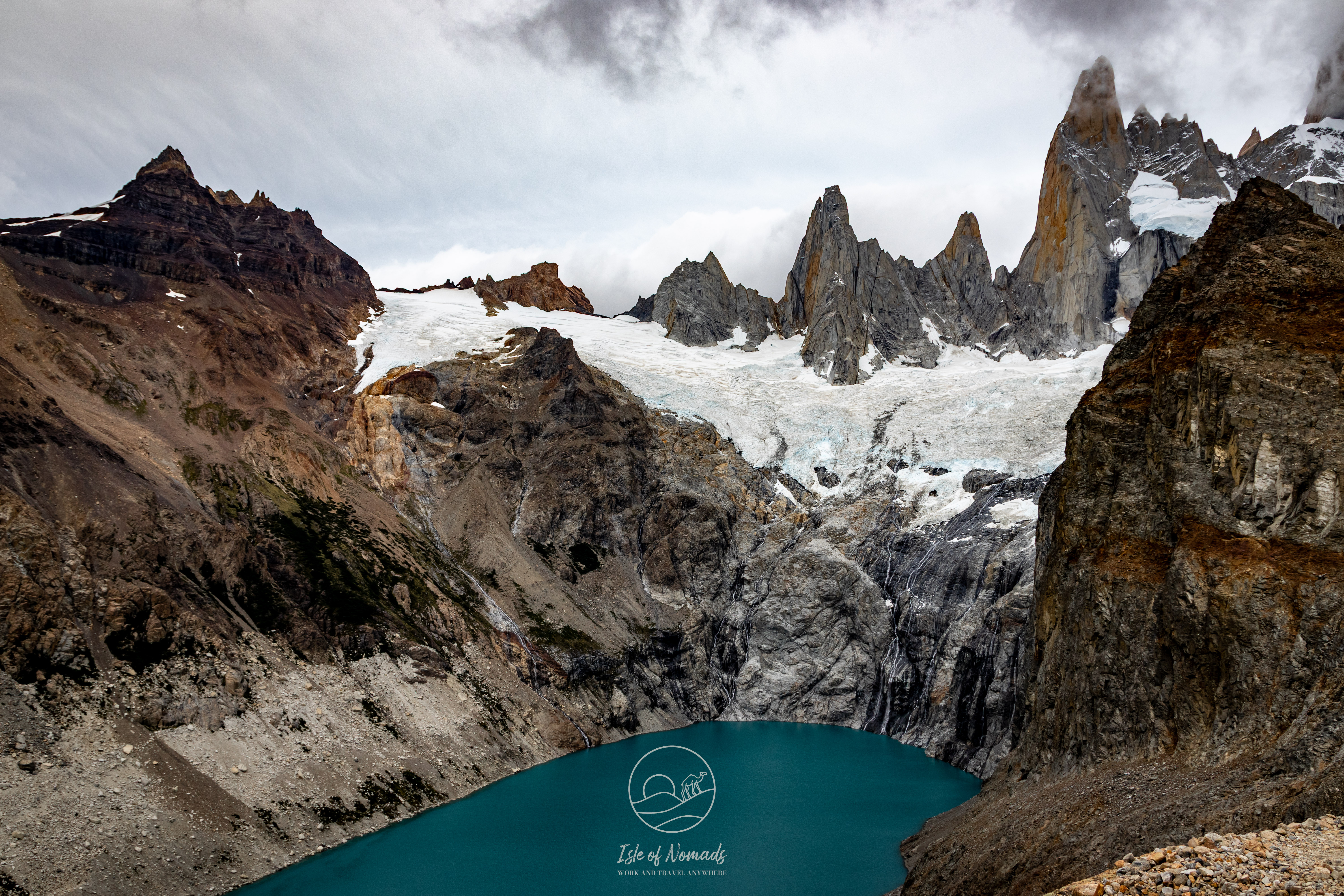
Today you embark on the hike in the area: Laguna de los Tres hike. 23 km, around 1'000 metres of climbing, roughly 9 hours at a relaxed pace, and the most famous view in Argentine Patagonia at the top. At the end, you are rewarded with the beautiful view of the Fitz Roy mountain towering over the laguna. Remember to bring enough food for a day of hiking and to dress in layers!
If you are feeling energized, you can include the small detour via Laguna Capri on the way. Be warned: the final kilometre is brutally steep. The easier alternative is to hike only as far as Laguna Capri and enjoy the Fitz Roy views from there, which are already fantastic.
Day 10: Laguna Torre
Today's hike leads to the glacial lake Laguna Torre beneath the jagged mountain that is Cerro Torre. If you're feeling fit, do the version including Mirador Maestri, which climbs a bit further along the lateral moraine for even better glacier views. The standard version to Laguna Torre is mostly flat and the easier choice. The hike takes around 5-6h depending on your pace.
In the early evening, make your way back to El Calafate, have dinner there and spend the night.
Day 11: To Bariloche
The daily direct flight to Bariloche leaves at 9:20am and gets you there at 11am. After checking into your hotel, grab lunch. In the afternoon, do a first shorter hike, for example the Cerro Llao Llao Trail.
After so much trekking we splurged and stayed at Suites del Lago just outside of Bariloche. It was beautiful, with a heated pool overlooking the lake, a sauna and direct private access to the lake. Directly in Bariloche, Citizen Kane Lodge is a great option. If you're on a smaller budget, Cabanas Ser Patagonia is great. We loved our dinner at Chili.
Days 12-14: Bariloche and the Lake District
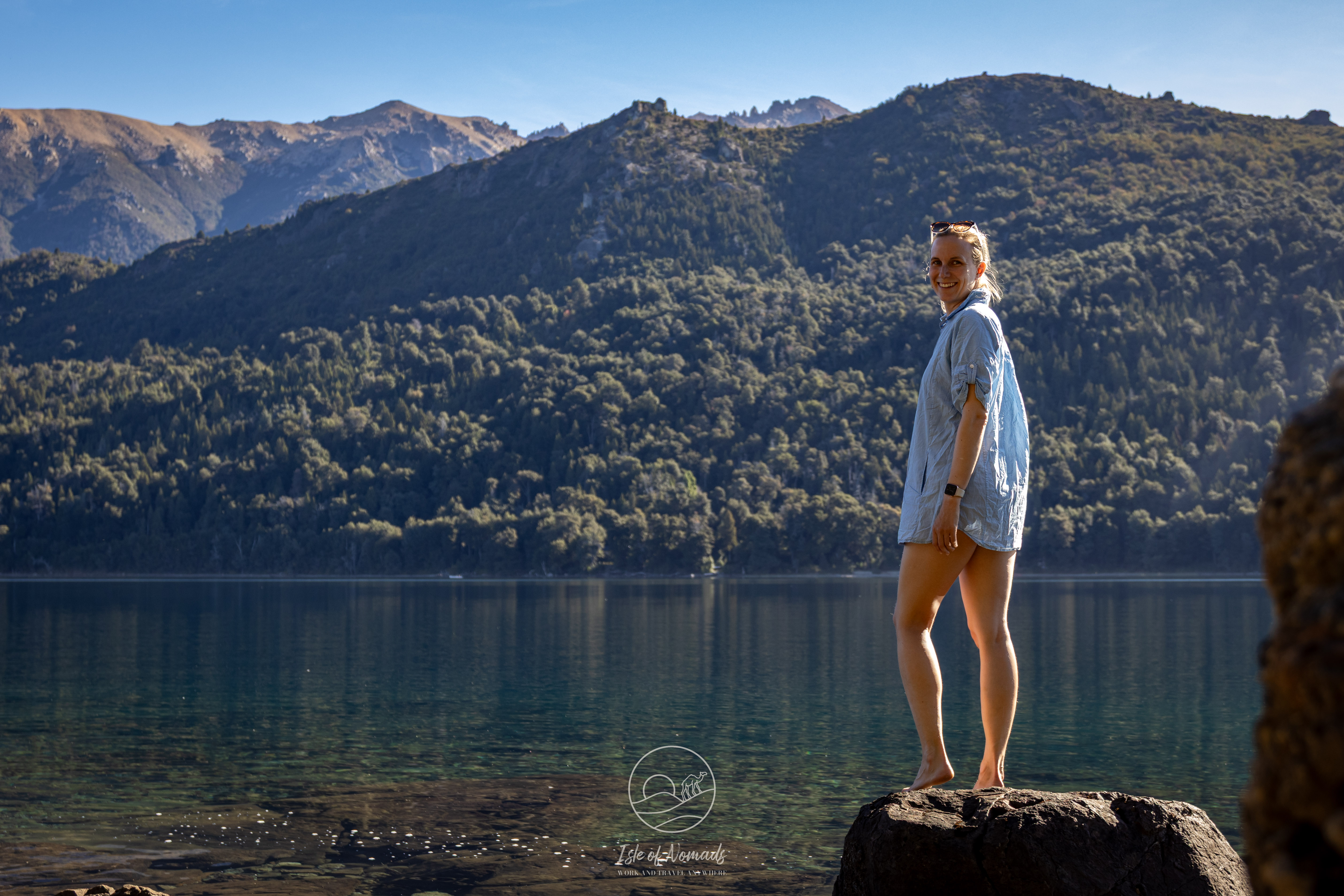
These amazing two weeks are slowly coming to an end - spend the full two days you have in Bariloche Circuito Chico loop (very pretty!) and hike some more. We loved Las Cabas Ridge, Refugio Italia and Frey Refuge.
See the 2-week itinerary above for tips on where to stay!
3 week itinerary
This is (almost exactly) the trip we did, and it adds the Carretera Austral, one of the most beautiful road trips on the planet. It runs the southern leg in reverse order compared to the 2-week version, because you will fly from Puerto Natales onwards to Puerto Montt.
For detailed recommendations on where to stay, where to eat and what to see, refer to our Google Map.
Day 1: Arrive in El Calafate
Arrive, pick up your rental car, and rest. If you arrive early like we did, you can drive the RP 15 to the Cerro de los Cristales hike. The good thing is that this is an out and back hike, so you can just go as far as you feel like - we went for a total of 2h (so just one hour up the mountain) and already got spectacular views. Just driving there is already worth it!
As said above, in El Calafate I can recommend Cabanas de Nene and Arroyo de las Piedras. We loved the food at Lucinda Casa Campo. On our Google Map you can find the full list of recommendations!
Day 2: Perito Moreno Glacier to El Chalten
See day 7 of the 2-week itineraryabove: Perito Moreno in the morning, go shopping in El Calafate and drive so you arrive in El Chalten (2.5h) in the early evening.
Day 3-5: El Chalten
Day 3: Sleep a bit later and do the Huemul Glacier hike. Day four is for Laguna de los Tres and day 5 for Laguna Torre with Mirador Maestri. See days 8-10 of the two week itinerary for details, accomodation and food recommendations and easier alternatives.
Day 6: El Chaltén to Puerto Natales
In the morning after breakfast, drive back to El Calafate (ca. 2.5 hours). Return your rental car and take a taxi to the bus terminal. The bus to Puerto Natales leaves regularly in the high season and takes around 5 hours including the border crossing. When we went, it was the only bus that day, so book ahead (we used Busbud). Arrive in Puerto Natales in the early evening, get dinner and go to bed.
Day 7: W Trek prep day
Get your gear, luggage storage, trail food, cash and park tickets. You can find a full checklist in the W Trek section.
Days 8-10: W Trek
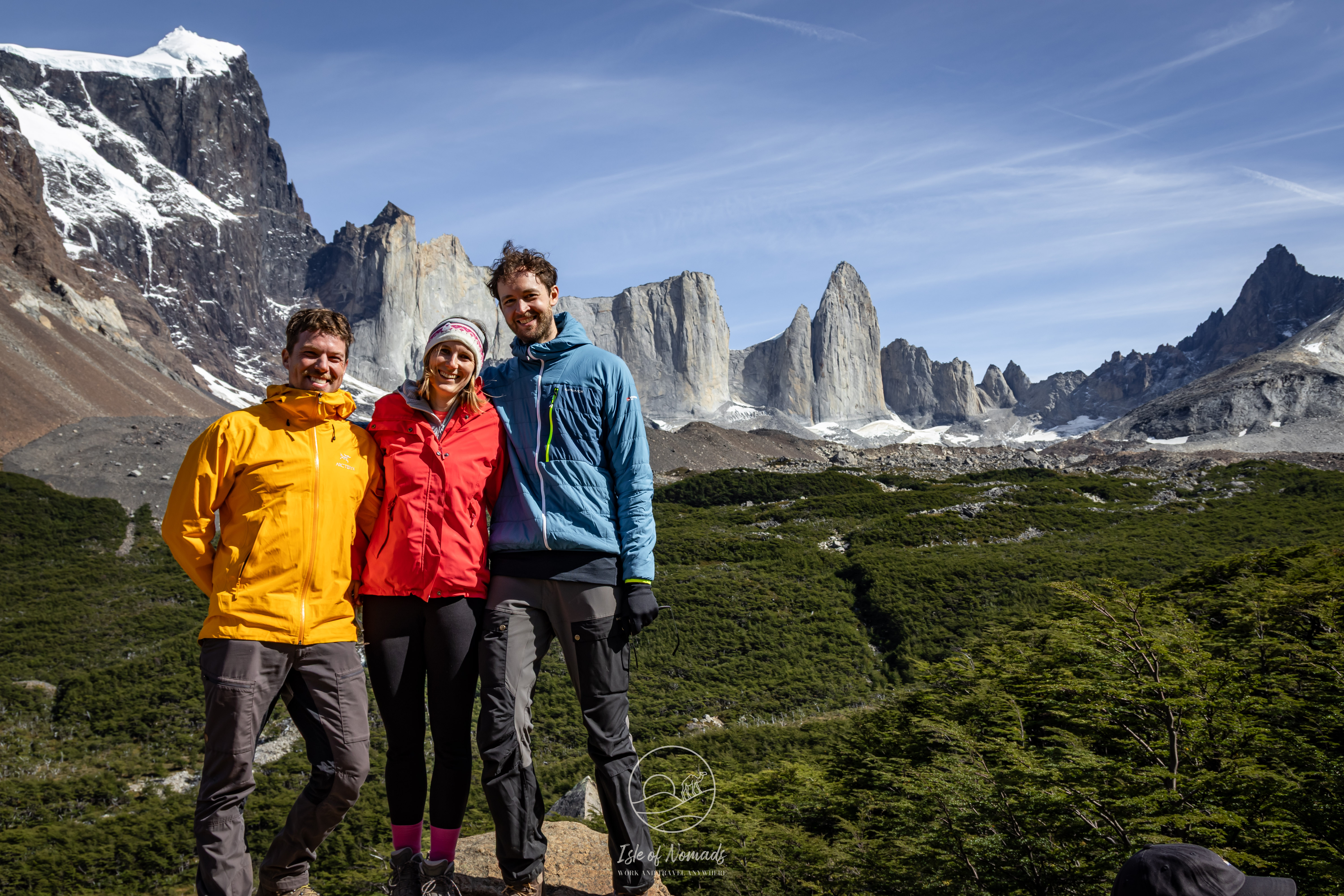
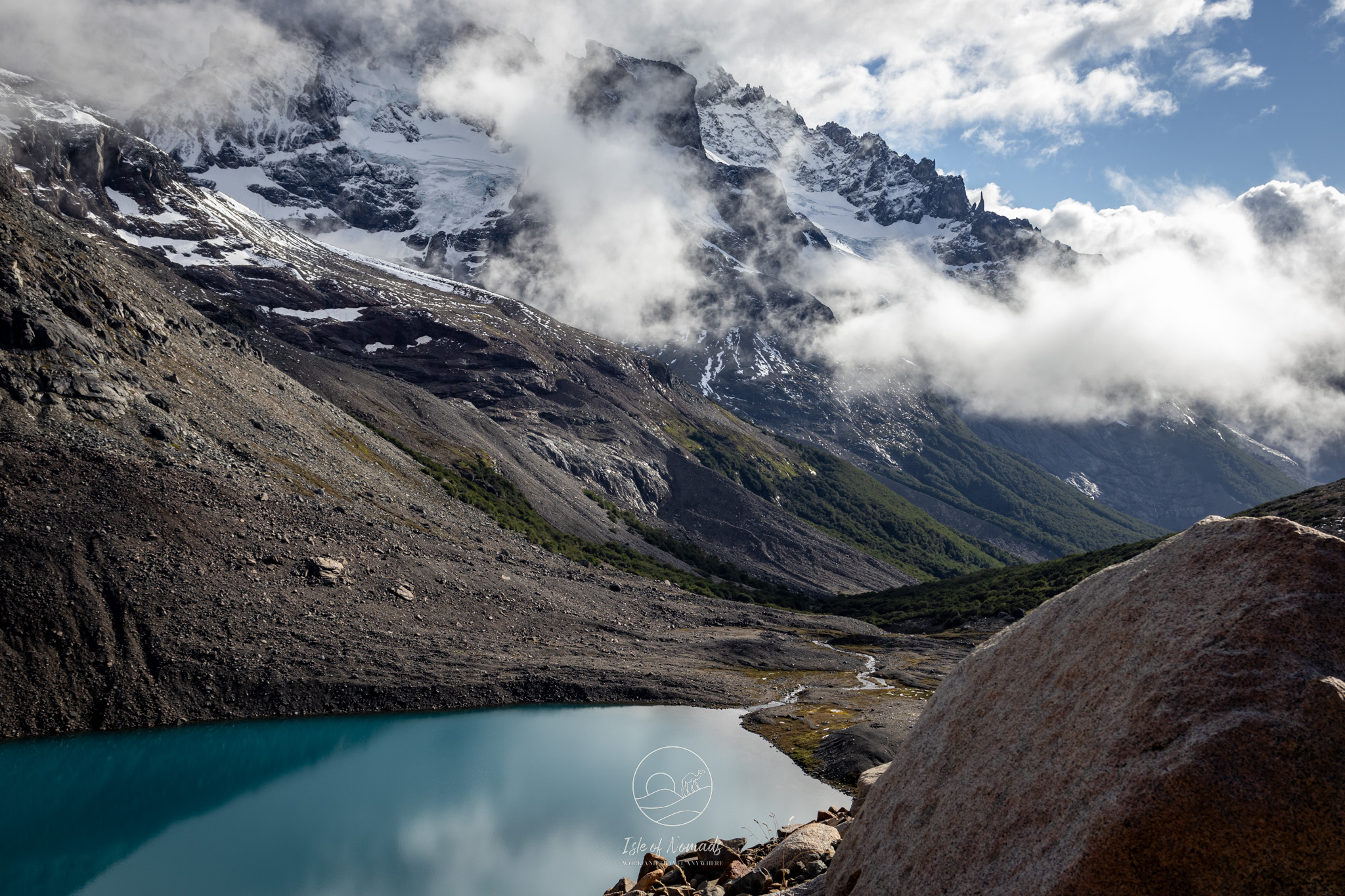
Do our fast version: three big days west to east, finishing at the Mirador de las Torres. If you would like to allocate 4 days to this, you can cut out the rest day in Puerto Montt and start with the Carretera Austral straight on Day 12.
- Day 8 Hike): In and out to the Grey Glacier
- Day 9 Hike: the French Valley to Los Cuernos
- Day 10 Hike: grand finale at the Mirador de las Torres
Plan the third night at the refugio near the park exit and leave relaxed on the morning of Day 11. For details, see days 2-4 of the two week itinerary.
Day 11: Fly to Puerto Montt
Once back in Puerto Natales, return your rental gear, pick up your luggage, grab a SIM card if you need one (there's a Movistar in town), and head to the tiny airport for the flight to Puerto Montt. Once there, pick up rental car number two at the airport (we can highly recommend Prime Rent a Car, see our Carretera Austral guide).
Day 12: Rest and get supplies in Puerto Montt
A slow day: sleep in, do one big supermarket run (after Puerto Montt there are no big supermarkets for hundreds of kilometres), get cash, and rest up for the road ahead.
Days 13-21: The Carretera Austral
Nine days on Chile's legendary Route 7, and some of the best road-tripping we have ever done: polar rainforests, fjord ferries, the Marble Caves, the actively calving San Rafael Glacier, and the hike to Laguna Cerro Castillo, which we think of as the most beautiful hike of the entire Carretera. If you want the details, see our Carretera Austral article. In brief, the days look like this:
- Day 13: Ferry day from Puerto Montt to Chaitén (book the Hornopirén ferry exactly 2 months ahead!)
- Day 14: Hiking in Pumalín Park (Volcán Chaitén crater hike)
- Day 15: Long drive south to Villa Cerro Castillo
- Day 16: Laguna Cerro Castillo hike, then drive to Puerto Río Tranquilo
- Day 17: Marble Caves by boat or kayak
- Day 18: Boat trip to the San Rafael Glacier (expensive, but worth it)
- Day 19: Drive north to Puyuhuapi
- Day 20: Queulat National Park and the Hanging Glacier
- Day 21: The long ferry-and-drive day back to Puerto Montt, fly out from there
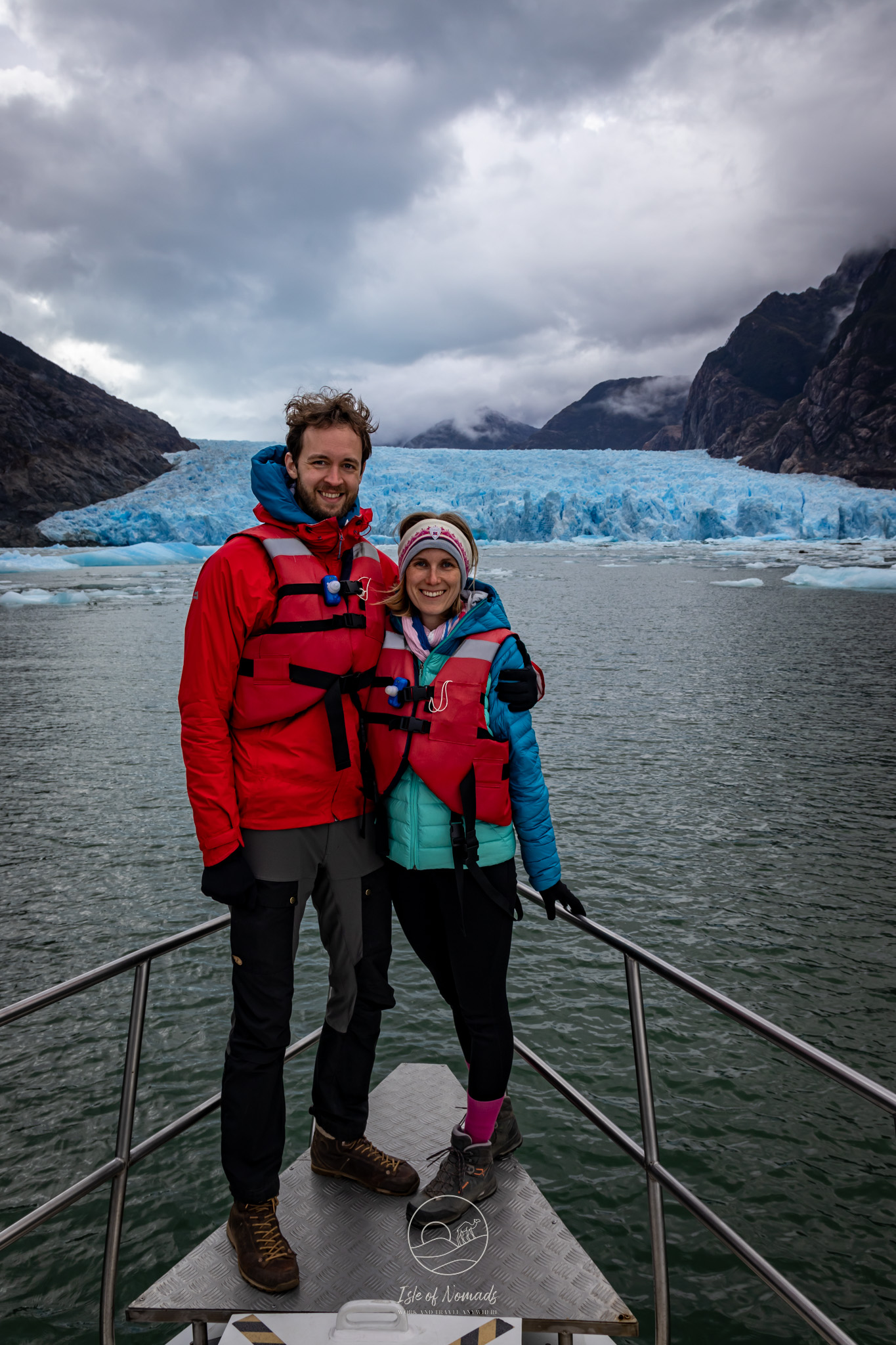
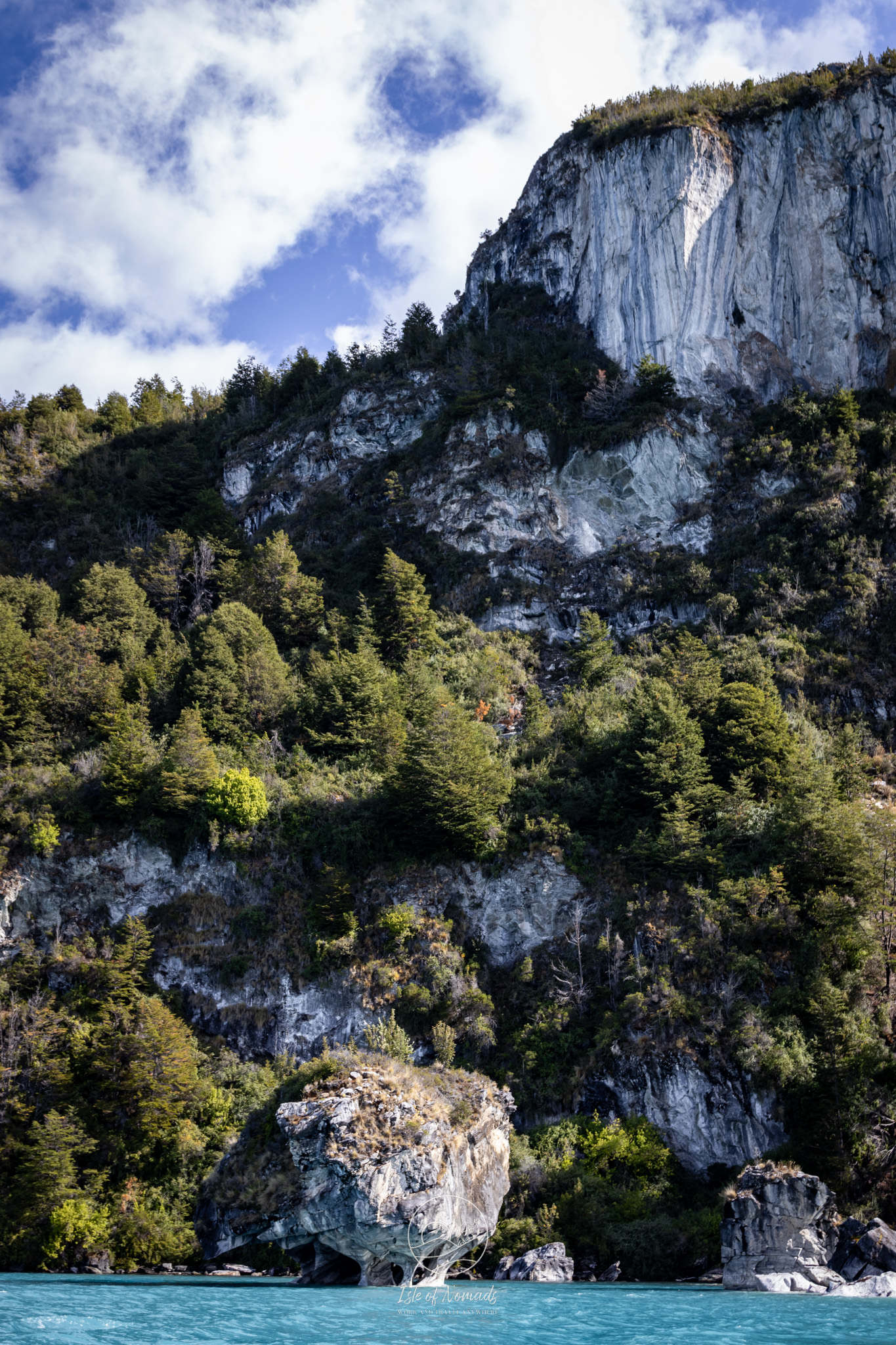
I wrote a complete, detailed guide to this route, including ferry logistics, itinerary variants from 10 to 21 days, and all our accommodation and food tips: read the full Carretera Austral itinerary here.
Not a fan of long drives? The Carretera Austral is wonderful, but it is a LOT of time in the car. If that's not your thing, skip it entirely and use the days for more time in Bariloche's Lake District plus a flight down to Ushuaia instead. See the 4-week itinerary below for what to do in both.
4 week itinerary
Four weeks gives you the complete Patagonia experience: everything in the 3-week version, plus Ushuaia at the start and the Lake District around Bariloche at the end.
Days 1-3: Ushuaia, the End of the World
Full transparency: we didn't make it to Ushuaia on our trip, so this part is based on research rather than our own experience. Fly in via Buenos Aires and spend three days at the southernmost city in the world:
- Day 1: Explore the town and harbour, visit the famous former prison (now a museum complex), and have king crab (centolla) for dinner, the local speciality.
- Day 2: Tierra del Fuego National Park: hike the coastal path, see Lapataia Bay where the Pan-American Highway ends, and if you like heritage trains, ride the End of the World Train.
- Day 3: Beagle Channel cruise, ideally one that includes the penguin colony on Martillo Island. Sea lions, cormorants and the famous Les Eclaireurs lighthouse included.
Utaka Cabañas y Apartamentos and Ushuaia Lodge look like great places to stay in Ushuaia and come highly recommended by some friends of ours. If you want to splurge, I suggest Arakur Ushuaia Resort & Spa.
Day 4: Fly Ushuaia to El Calafate
A short hop, and you're at the gateway to the southern glaciers.
Days 4-14: Southern Patagonia + W Trek
Follow Days 1-11 of the three week itinerary: Perito Moreno, El Chaltén, and the W Trek, ending with the flight to Puerto Montt.
Days 15-24: The Carretera Austral
As Days 12-21 of the 3-week itinerary, with an extra day of slack you can spend wherever it's needed (trust me, on the Carretera you'll find a use for it). Full details in our Carretera Austral article here.
Day 25: Bus to Bariloche
From Puerto Montt, take the early morning bus across the Andes to Bariloche (around 7 hours including the border crossing). The scenery on the way gives you a taste of what the Lake District has in store!
Days 25-27: Bariloche
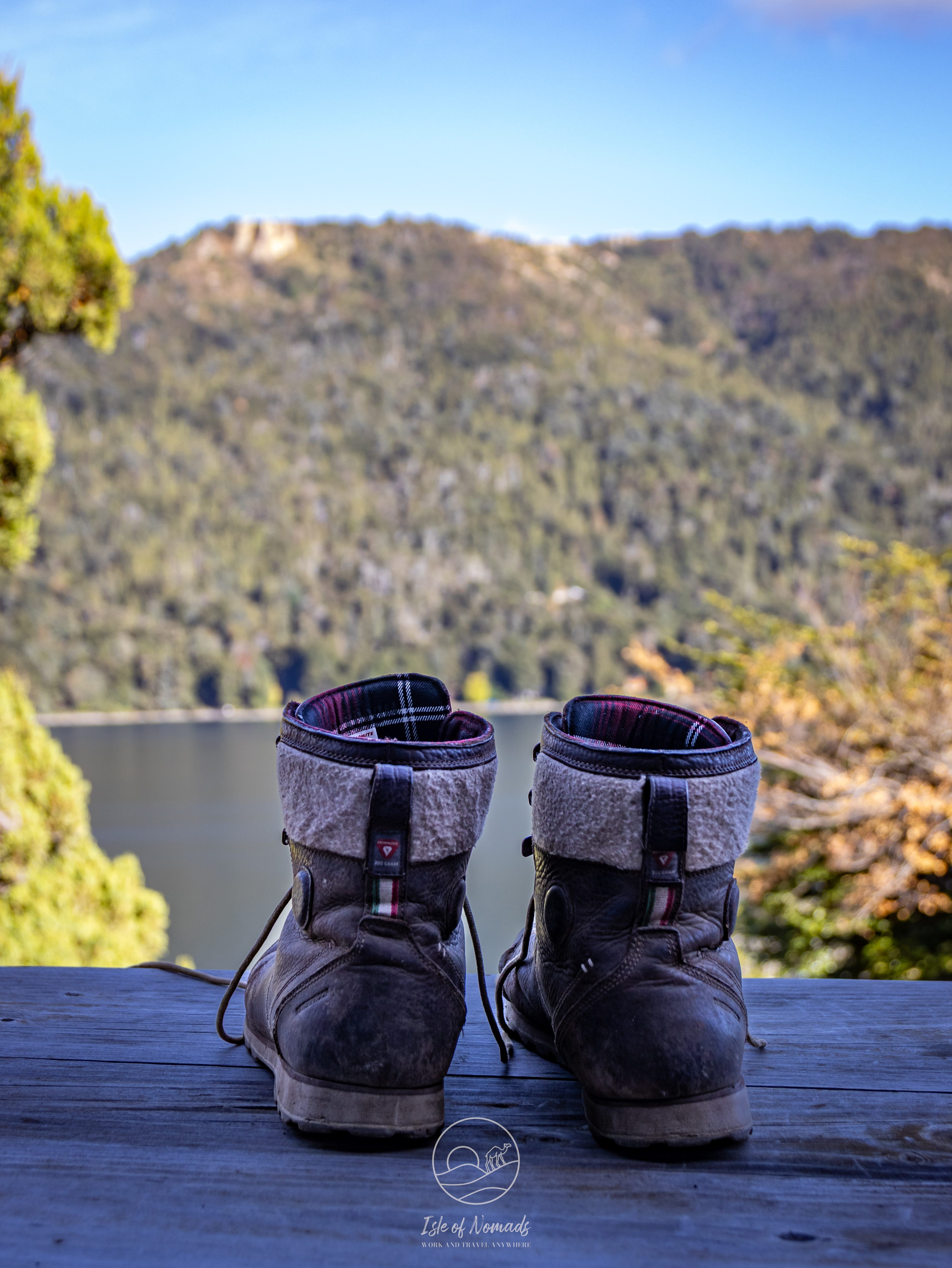
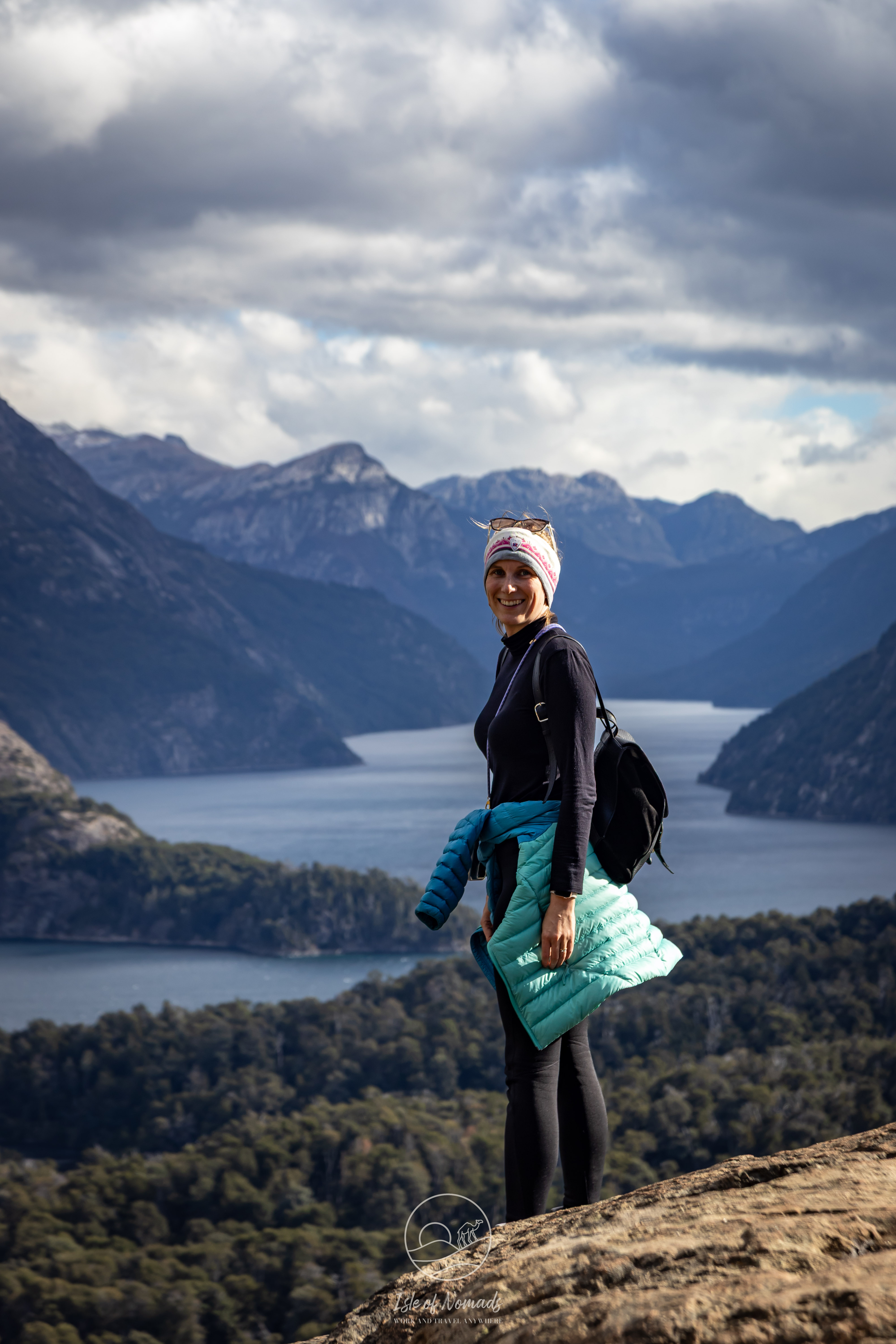
We stayed a full week in the area after our trip along the Carretera and loved it: it's a softer, greener Patagonia, all lakes, forests and Swiss-style chocolate shops. For three days, here's what I'd prioritise:
- Circuito Chico: the classic scenic drive around the peninsula, very pretty and easily combined with the short Cerro Llao Llao hike, my favourite of the easier walks.
- Refugio Frey: the best day hike in the area, starting from Villa los Coihues. A proper day out to a mountain hut in a granite amphitheatre.
- Pick your third day: the Refugio Italia / Laguna Negra hike if you want another big one, or the shorter Filo de las Cabras trail if your legs are done.
- If you have extra time: drive up towards Villa La Angostura for Río Correntoso, the Mirador Lago Espejo and Puerto Angostura. We went because we had the time, but if you're short on it, stay closer to Bariloche, there's plenty to do there.
In Bariloche, we treated us and stayed at Suites del Lago. It was beautiful, with a heated pool overlooking the lake, a sauna and direct private access to the lake. Directly in Bariloche, Citizen Kane Lodge is a great option. If you're on a smaller budget, Cabanas Ser Patagonia is great. We loved our dinner at Chili.
Day 28: Fly out
Unfortunately all epic trips have to come to an end! Bariloche has good connections to Buenos Aires for your flight home.
 every activity we fancied.
- Transport within Patagonia: ca. 1,714 EUR total for all three. That's two car rentals (477 EUR for 6 days in El Calafate, 623 EUR for the SUV on the Carretera Austral plus insurance), the Carretera ferries (256 EUR for the car, both directions), the El Calafate to Puerto Natales bus (ca. 31 EUR/person) and the Puerto Natales to Puerto Montt flight (88 EUR/person).
- Accommodation: ca. 3,458 EUR total for 21 nights for all three. The single biggest item: 3 nights for 3 people on the W Trek with dinners came to 1,484 EUR for the three of us. Yes, really. That's the price of comfort in Torres del Paine.
- Parks and activities: Torres del Paine entry (49 USD/person), Perito Moreno entry, the San Rafael Glacier tour (170 EUR/person), Marble Caves tour, and various small fees.
All in, excluding international flights and food, we landed at roughly 90 to 100 EUR per person per day, and with food more like 120 to 140 EUR. You can do Patagonia dramatically cheaper by camping the W Trek with your own gear, cooking your own meals and choosing hostels, and you can obviously also spend far more. But if you travel like we did (comfortable but not luxurious), this is an honest benchmark.
The complete Patagonia travel map.
Every hotel, restaurant, sight and hidden gem from 4 weeks across Patagonia. Straight into your Google Maps.
The map made planning a lot easier and helped me discover spots I probably would have missed otherwise.
Kevin · February 2026
✓ Used by 155+ travelers planning their next trip