W Trek in Torres del Paine: Our 3-Day Itinerary, Refugios, Costs and Tips
Content
- Know before you travel
- Is the W Trek worth it?
- What is the difference between the W Trek and the O Circuit?
- Which direction should you hike the W Trek?
- How many days do you need?
- Map Overview
- Our three-day W Trek itinerary
- Four days on the W Trek
- Five days on the W Trek
- How do you book the W Trek refugios?
- Should you stay in refugios or camp?
- Where did we stay?
- How do you get to and from the W Trek?
- What should you pack?
- What does the W Trek cost?
- What happened to our third night?
Key information at a glance
| Cost per day: | Our three booked refugio nights with dinners cost €1,484 for three people, or about €165 per person per planned hiking day, excluding park entry, transport and trail food. |
| Best time to travel: | December to March for a first W Trek. We hiked in late February / early March. The main trekking season extends into the shoulder months, depending on trail and accommodation openings. |
| Itinerary length: | 3 - 5 days |
| For you if: | You enjoy multi-day hikes and dramatic mountain scenery, and don't mind some serious advance planning. |
| Not for you if: | You dislike long hikes or want a relaxed holiday without booking accommodation far in advance. |
| Country Overview: | Head here for a general overview over Chile and here for general Patagonia itinerary |
We spent four weeks travelling through Patagonia, and our friend who joined us was absolutely set on doing the W Trek. I wasn't nearly as convinced. Largely because of the refugio prices and how touristy of a destination the park seemed - a combination I usually avoid. In the end, our friend insisted, and I am very glad he did.
Planning the trek took a lot of research, though. There are two different companies managing the accommodation, park tickets to buy separately and buses and a catamaran to coordinate. It took me quite a while to understand how everything fit together (and I generally like planning trips!).
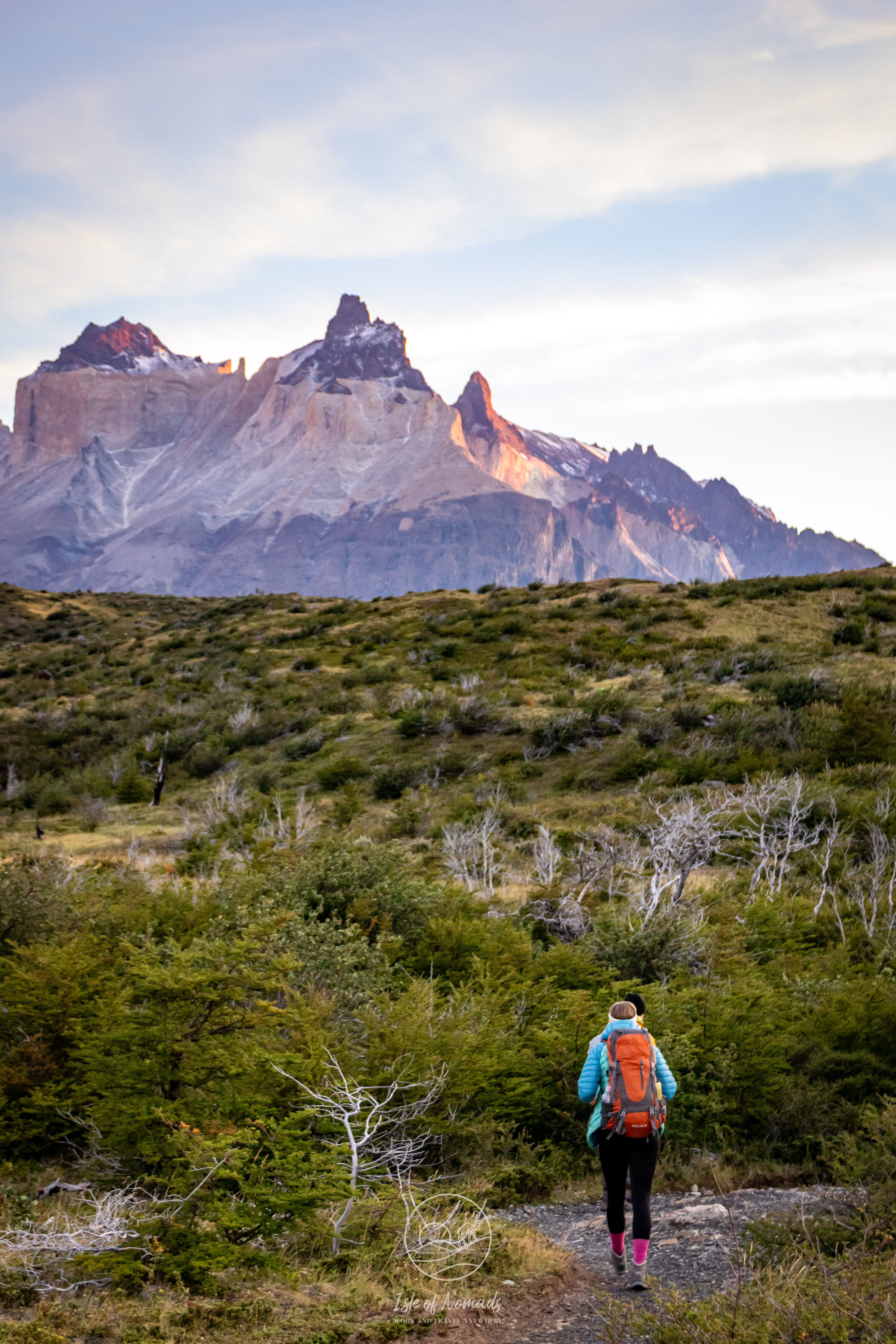
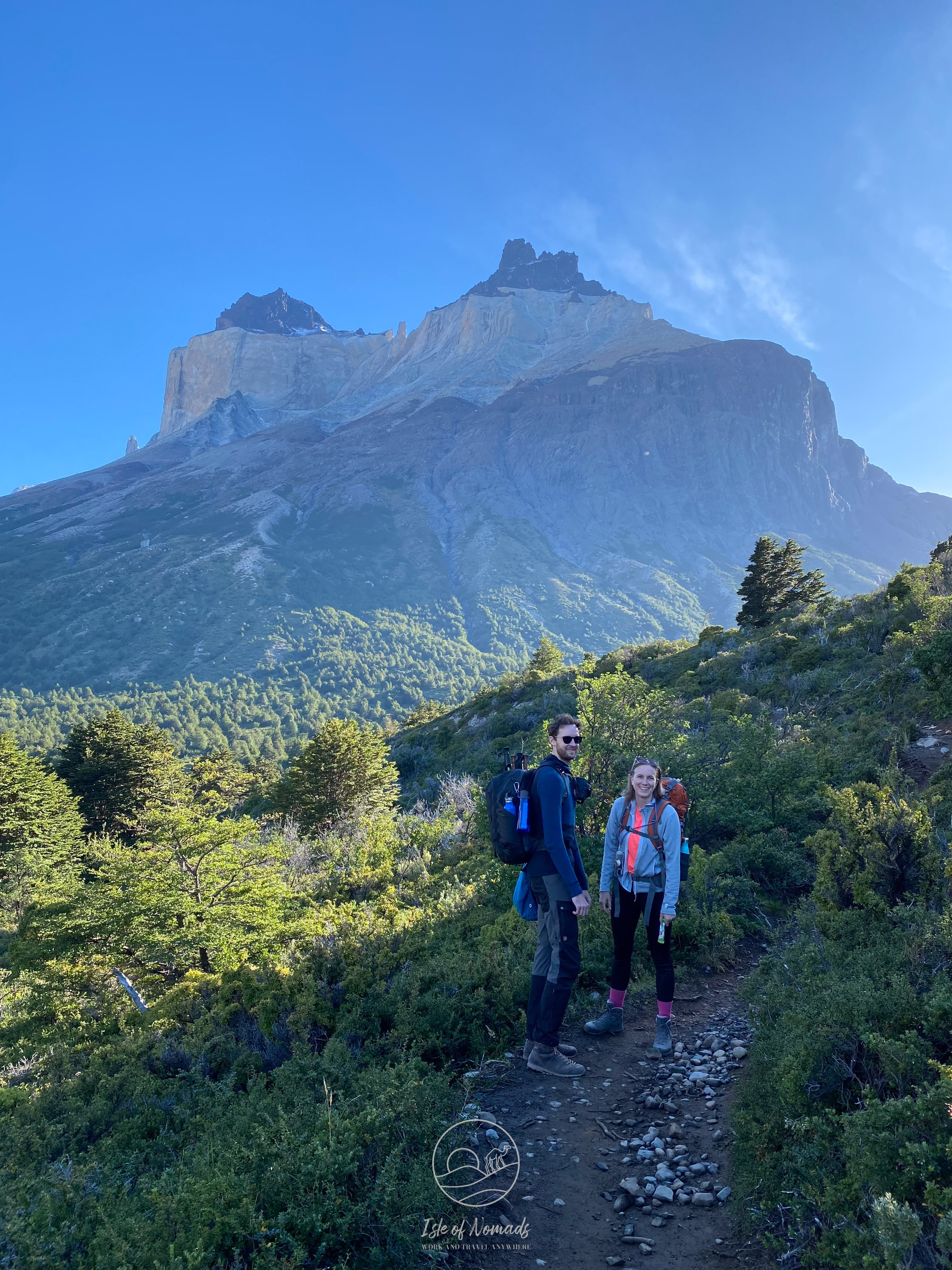
We ended up hiking the W in three full days, going west to east. That's a bit faster than most people do it, so I've included our actual itinerary and Komoot tracks below. It is possible though, and no, you don't need to be a professional athlete to do it in that short of a time. We love hiking and are fairly fit, but we are by no means crazily fast hikers. That being said, in retrospect I believe we only made it because we were lucky with the weather.
I've also added shorter hiking days spread over four and five days, based on route information rather than on a trek we personally completed.
And I should warn you: this has become quite a long article. But with the cost of the accommodation and all the logistics involved, I thought it was worth sharing everything we learned so you don't have to figure it all out yourself.
Know before you travel
Book your overnight stays before you arrange the rest of your trek. This is not a hike where you can simply arrive and look for accommodation on the way.
Refugio and campsite bookings. You need a reservation for every night you plan to spend inside the trekking area. There are two operators, vertice.travel and lastorres.com, which makes putting the route together a bit more complicated than you might expect. I explain how we booked further down.
Park entrance ticket. The park pass is separate from your accommodation and should be bought in advance through Pases Parques. Download the confirmation before you travel and keep the bookings available offline. There isn't reliable mobile coverage everywhere.
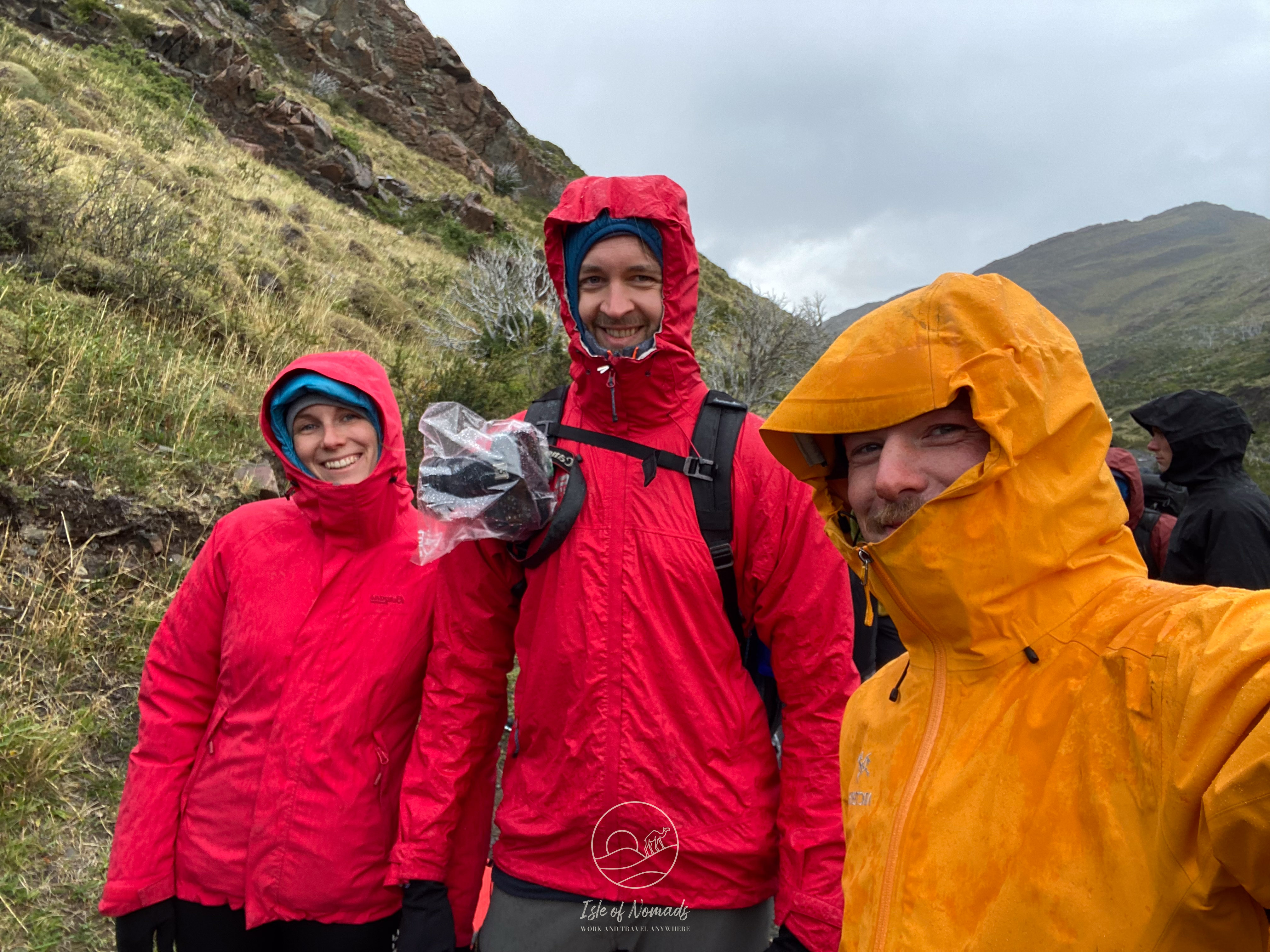
Weather and trail conditions. We were incredibly lucky with the weather: occasional wind, but nothing like the stories people had told us beforehand, and the trails were in great condition. I wouldn't plan around having the same conditions though. Check the park's current trail information and opening times before every hiking day and follow the rangers' instructions. The rules can change with weather and season.
Fitness. The W is a multi-day mountain hike, and our version included three days of roughly 23 to 26 kilometres of hiking each day. While I believe you can also do this if you are reasonably fit and are accustomed to hiking, this was among the longest hikes we have ever done and I was a bit wary beforehand. So we did lots of hikes and strength training around three times a week before the trip. We were also living in Mexico City before the trip, so we were used to being at altitude. If you want more time to enjoy the views, choose four or five hiking days instead.
Cash and transport. We needed Chilean pesos for the catamaran and the shuttle when we visited. Payment methods, prices and timetables can change, so check the latest details rather than relying on what we paid. I would still take some cash with me even if I'd booked everything possible online.
Crowds. I had expected the W Trek to be crowded almost the entire way, but outside the bottlenecks we often had stretches of trail to ourselves. It was much busier around the places you can also reach on a day hike, most notably the final viewpoint at the towers.
Is the W Trek worth it?
Yes. Even knowing how expensive it is, I would do the W Trek again every single time.
The refugios are, frankly, not very good value for money. We paid hundreds of euros to sleep in dorms, and the food was generally nothing special. When planning this trip, I nearly let that put me off entirely and I can't say that I changed my mind about the accommodation afterwards.
I researched the hell out of whether to go hike the W, but the answer I would give is that if you like hiking and can afford the accommodation prices, you should go.
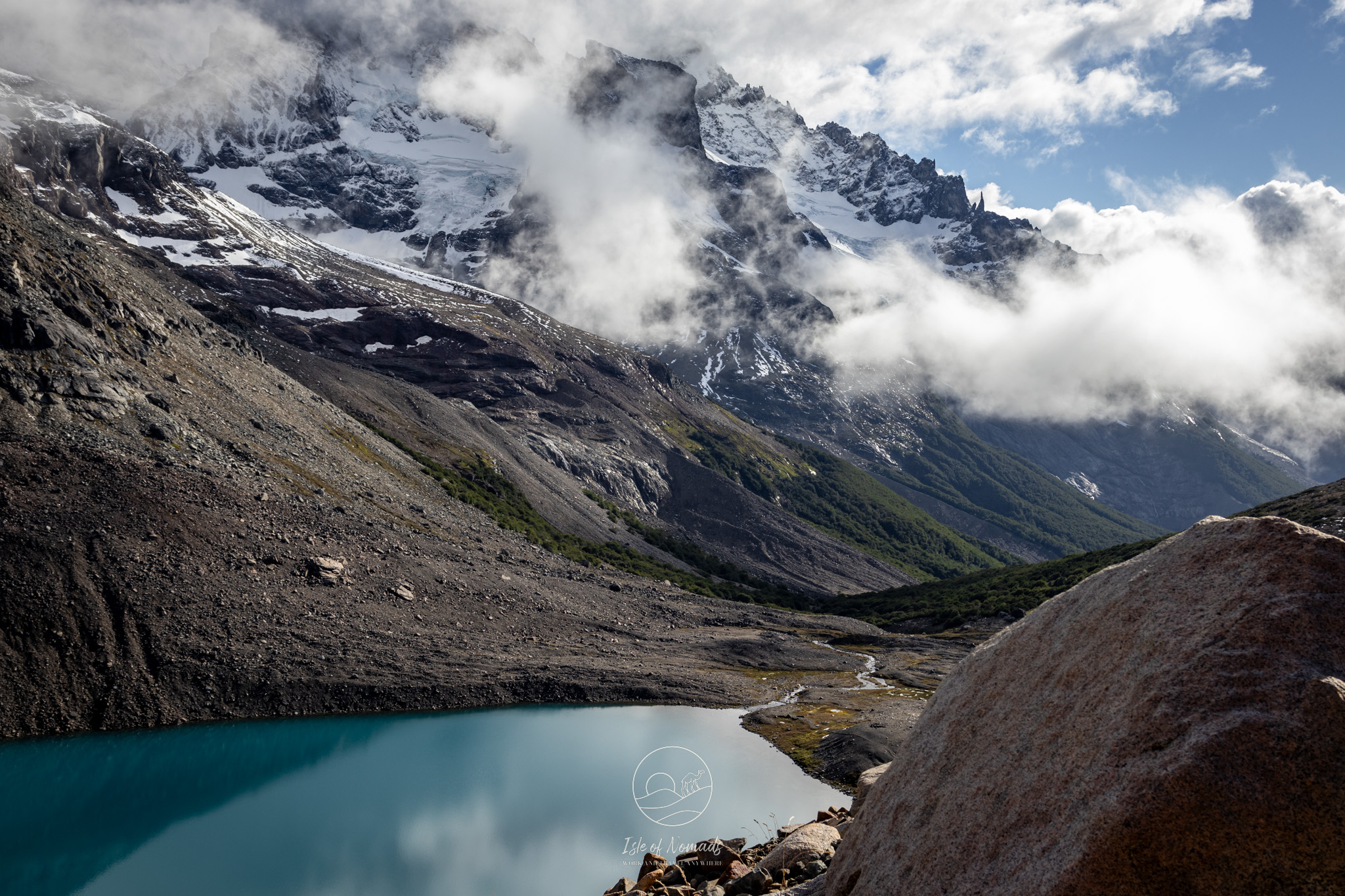
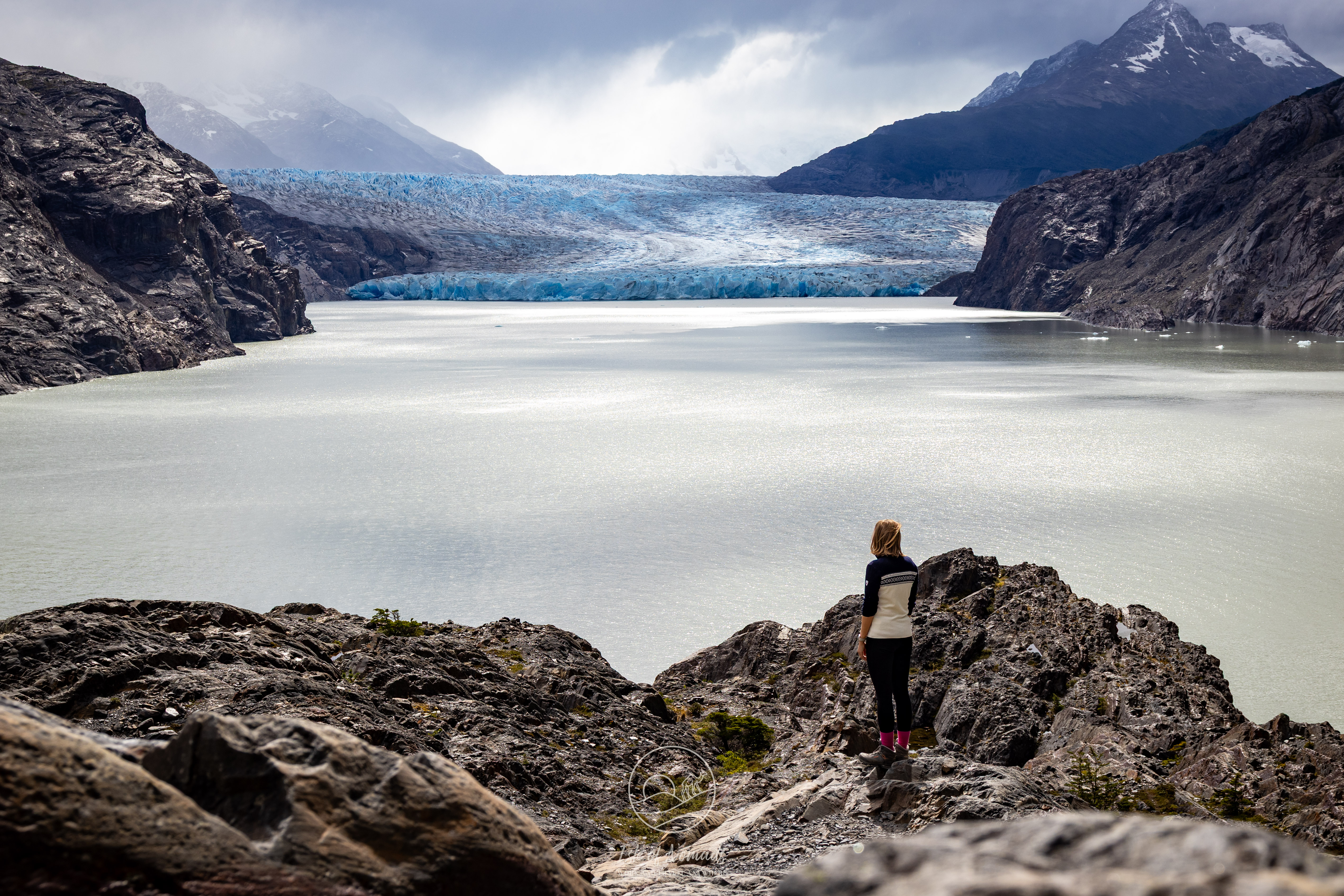
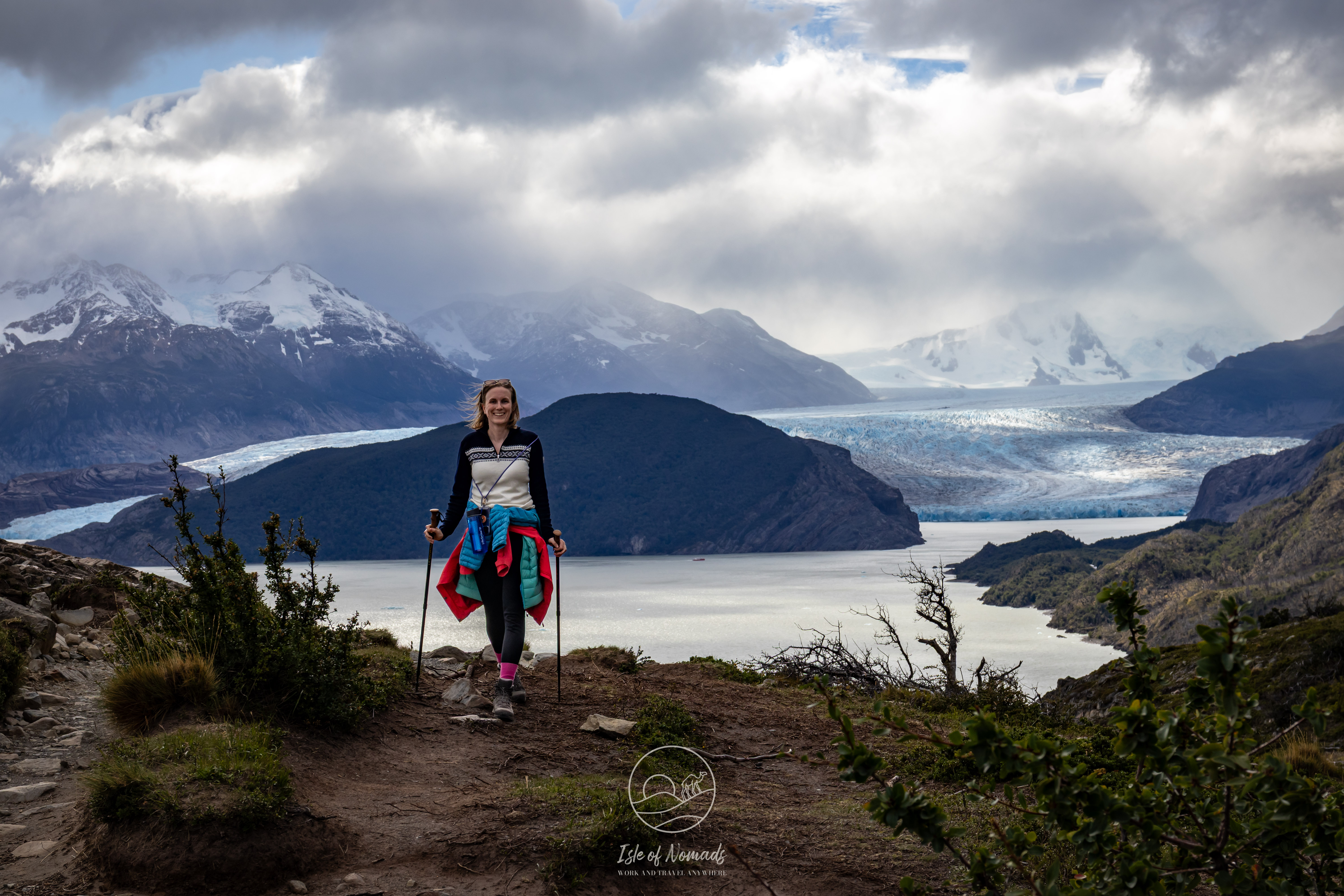
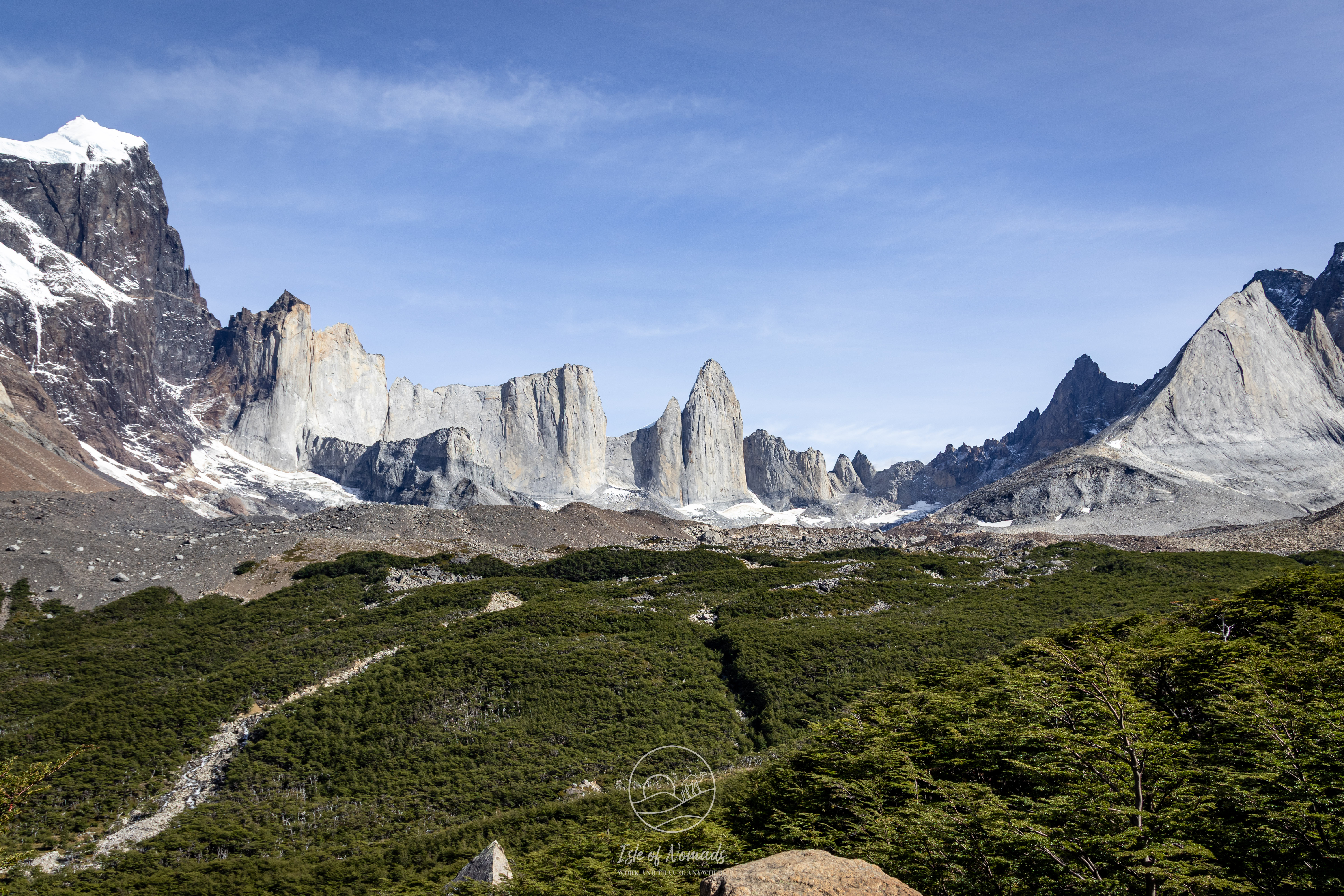
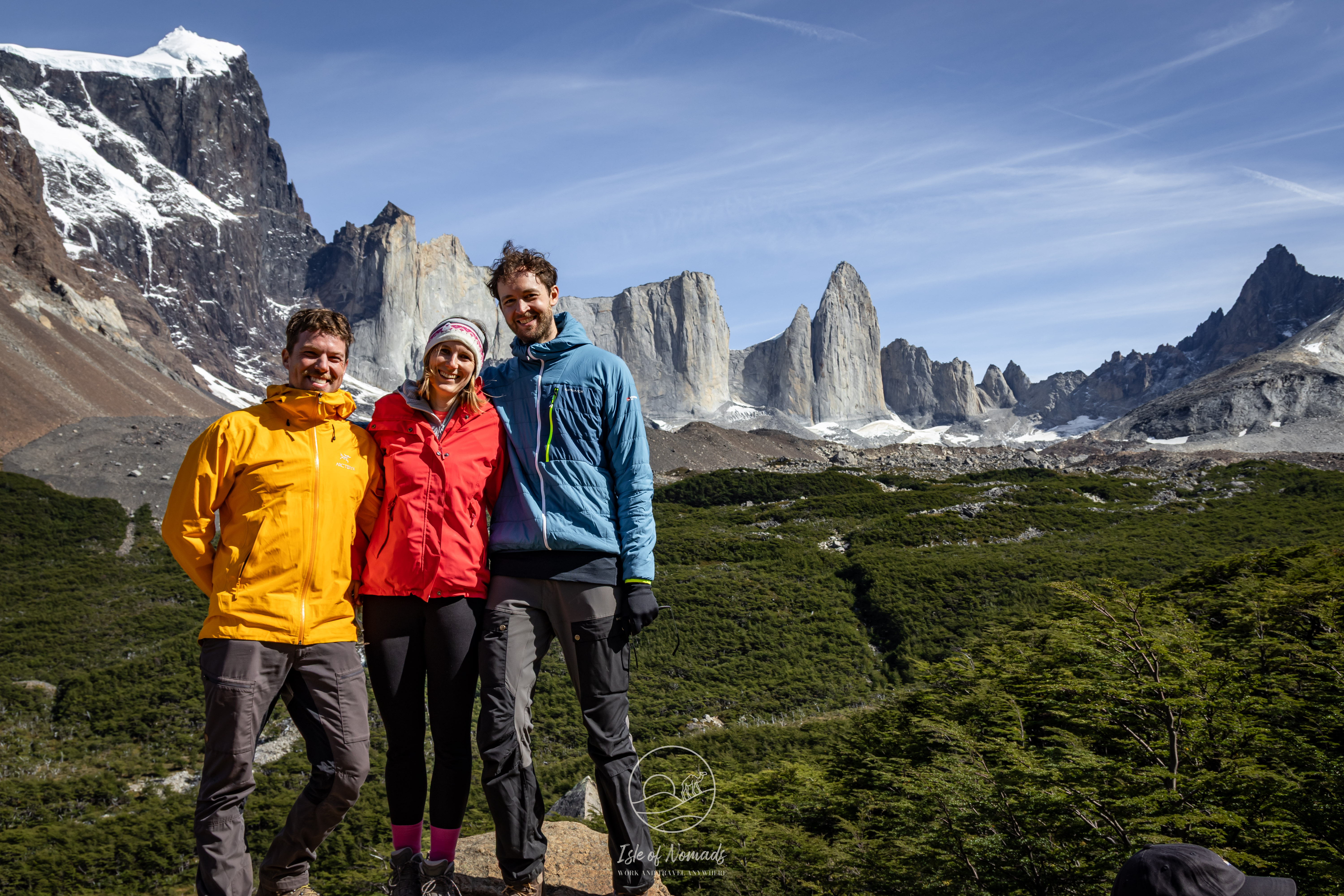
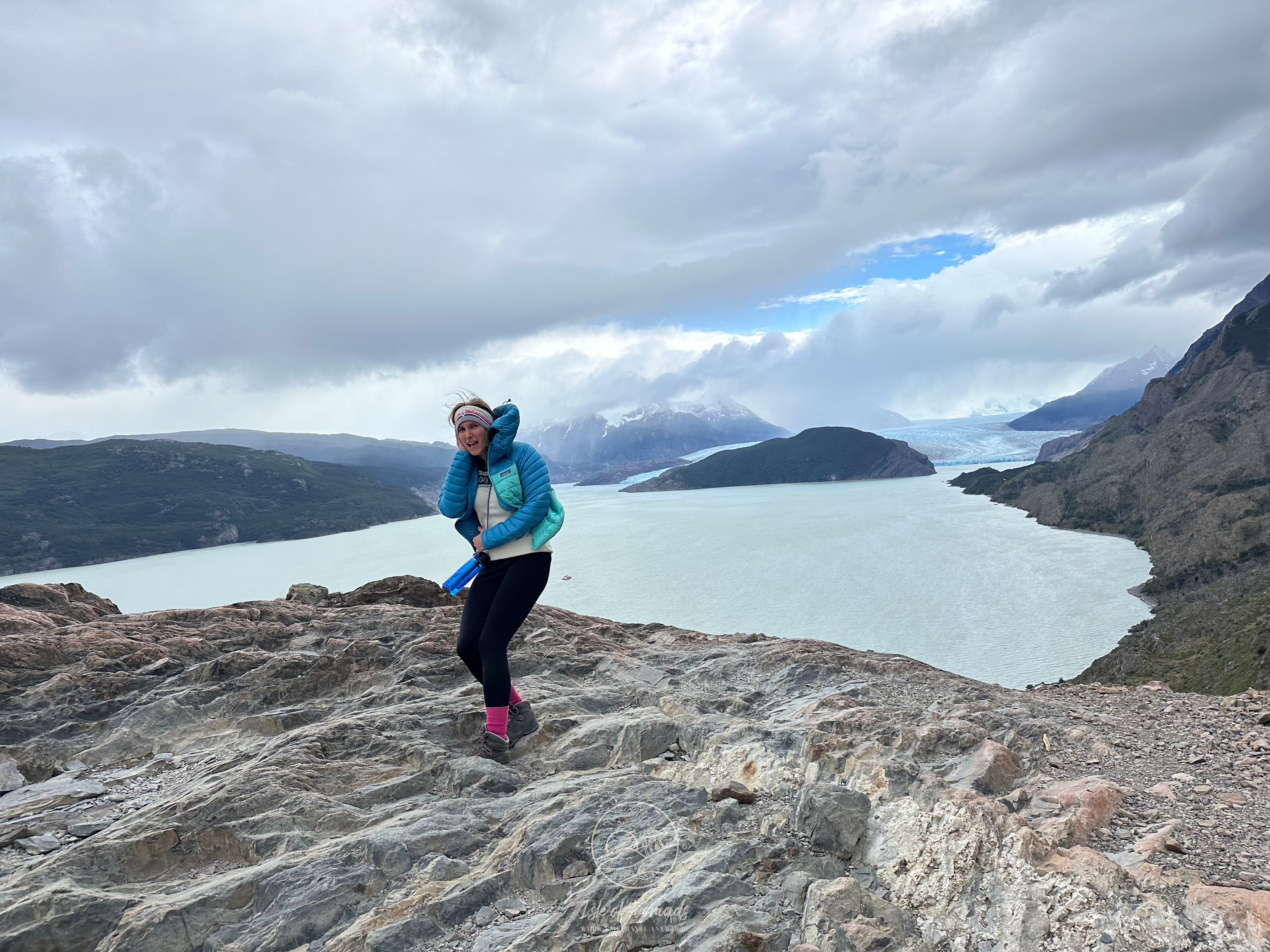
The landscapes are simply incrdible. Grey Glacier on the first day, the French Valley on the second, and the famous granite towers at the end. I actually liked the scenery on day two the most, even though I know the towers are supposed to be the big finale.
What surprised me even more was how much I enjoyed just walking for days. I had never done a multi-day hike this long before, and there was something wonderful about having very little to think about beyond putting one foot in front of the other. I don't think I've ever had a holiday that quieted my mind in the same way. (I now understand why people do the Camino de Santiago!)
We were also very lucky with the conditions. We had been warned about Patagonia's infamous wind, but apart from the occasional windy stretch it wasn't nearly as bad as I'd feared. The trails were in great condition, and when we set off early, we were sometimes completely alone. The busier bits were the bottlenecks and viewpoints that day hikers can reach too.
What is the difference between the W Trek and the O Circuit?
The W takes in the three famous highlights of Torres del Paine, while the O is a much longer circuit around the massif.
On the W, you hike to Grey Glacier, into the French Valley and towards the granite towers. The O includes these parts but also takes you around the quieter back side of the mountains. The park describes the W as a three- to five-day route and the O as an eight- to ten-day circuit. The O is a bigger undertaking, with a longer route and different accommodation options.
We only hiked the W, so I can't tell you what the O is like firsthand. But if you have a few days and want to see the major sights in Torres del Paine, I would choose the W. If you've got more than a week for a trek (or really love hiking already!), the O is worth researching too.
Which direction should you hike the W Trek?
I recommend hiking the W from west to east. We did quite a bit of research into both options beforehand, and I'd choose the same direction again.
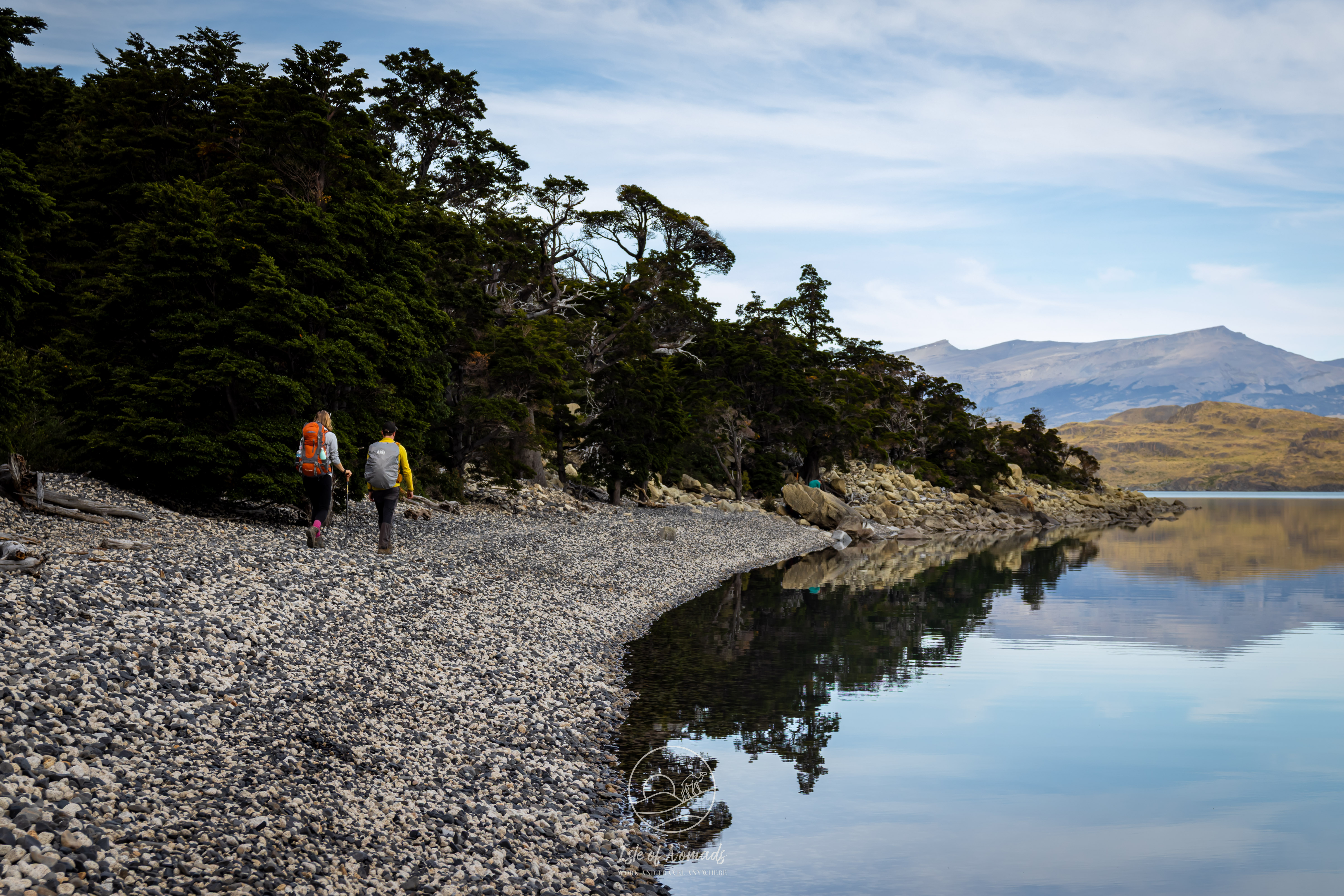
You start by taking the catamaran across Lago Pehoé to Paine Grande. The boat runs on a fixed timetable, so I liked having this part of the logistics behind us on the first day. You then walk towards the east, finishing at Mirador de las Torres, which really is a lovely way to end a trek. (Although in terms of scenery along the trail, my favourite day was actually the second one!)
Another practical advantage is that you leave from the eastern side near Laguna Amarga, where you can connect to the buses back to Puerto Natales.
You can do the route in the other direction, too. If the refugios are booked out in the order you wanted, I would absolutely consider going east to west rather than missing the W entirely. Just make sure the accommodation nights actually connect.
How many days do you need?
I would recommend four or five hiking days for most people. Our three-day version worked for us, but it involved very long distances and limited flexibility for something to go wrong. That being said, if you're accustomed to longer day hikes and are lucky with the weather, our itinerary is very feasible.
We did three hiking days of approximately 23, 23.5 and 26 kilometres, with more than 1,000 metres of climbing on the final day. We booked three nights in refugio dorms and intended to return to Puerto Natales on the following morning. Because of a flight change, we actually left the park after hiking on day three, without using that last night.
Here are three ways to think about the route:
| Version | Broad outline | My take |
|---|---|---|
| 3 hiking days: what we actually did | Paine Grande and Grey Glacier; French Valley to Los Cuernos; Mirador de las Torres, ending at Central | Demanding. It worked with our fitness, unusually favourable weather and very long days. |
| 4 hiking days: researched alternative | Grey Glacier; French Valley; a shorter transfer day along Lago Nordenskjöld; Mirador de las Torres | My preference if you want the full W without rushing quite so much. |
| 5 hiking days: researched alternative | Split the western leg with a night at Grey; return to Paine Grande; French Valley; continue east; Mirador de las Torres | The most relaxed of these three, with more time for viewpoints and weather changes. |
You can find the suggested four- and five-day routes below our own itinerary. These are based on research, not on a second trek that we personally completed.
Map Overview
To orient yourself before getting into the individual hiking days, here's an overview of the W, with the three valleys, the main refugios and the places where you enter and leave the park.
Every place in Patagonia we’d send you to.
Everything that made the cut from our 4 weeks on the road, pinned and ready to navigate in your Google Maps.
Covers all of Patagonia except the Carretera Austral, which has its own dedicated map you can buy here.
- 39Hotels
- 52Restaurants
- 36Sights
- 28Hidden gems
✓ Used by 155+ travellers
Our three-day W Trek itinerary
We hiked west to east: Grey Glacier on day one, the French Valley on day two and Mirador de las Torres on day three. It was challenging, but you by no means have to be an athlete to do the W in three days instead of 4 or 5. Yes, we were relatively fit and we'd prepared for the long walking days in advance. But I believe if you are accustomed to longer day hikes, there is no separate training necessary and you can do this too.
Day 0: Get ready in Puerto Natales
If you're going west to east, I recommend spending the night in Puerto Natales before the trek. You need time to get your food, some cash, tickets and drop your luggage.
We stored our larger bags at Trotamundos Hostel and took only what we'd need on the trail. Make sure you have your park pass and refugio confirmations saved offline and check the bus and catamaran times for the following morning. We also bought enough food to get us through all three hiking days, which ended up being a very good idea.
If you still need somewhere to stay, I can recommend Cumbres Apartments and Casa Lucy. For dinner, we loved Cafe Kaiken. For a full list of where to eat and stay, have a look at our Google Map.
Day 1: Paine Grande to Grey Glacier and back
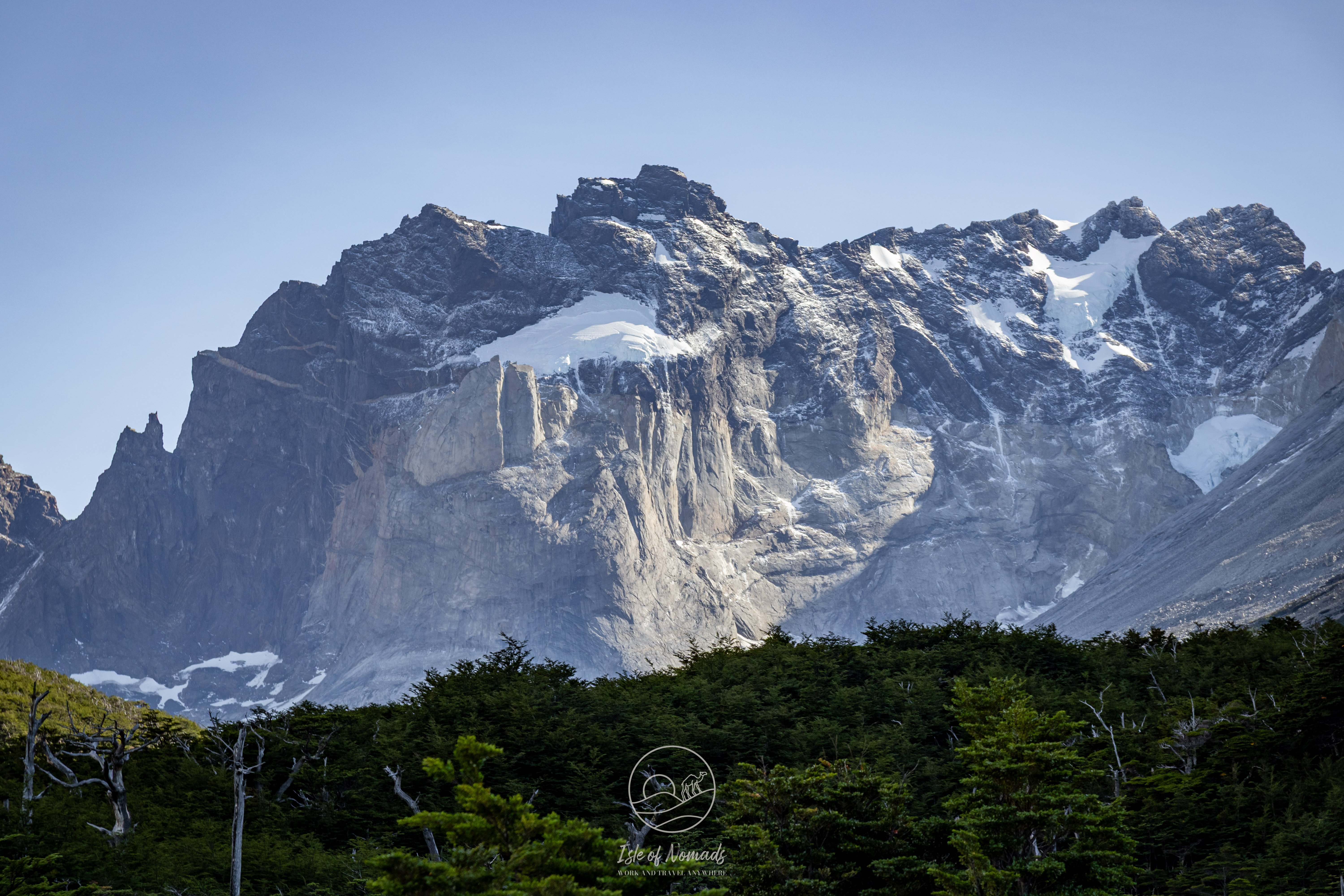
Our hike: approximately 23 km. We started hiking at around 11:30 am and were back at roughly 7:30 pm.
We got up early in Puerto Natales, took the first bus to Pudeto and then the catamaran across Lago Pehoé to Paine Grande. We reached the refugio at around 11 am, left our things and started walking at 11:30 am. Not exactly a leisurely start for a 23 km hike, but this was how the transport connection worked for our trip.
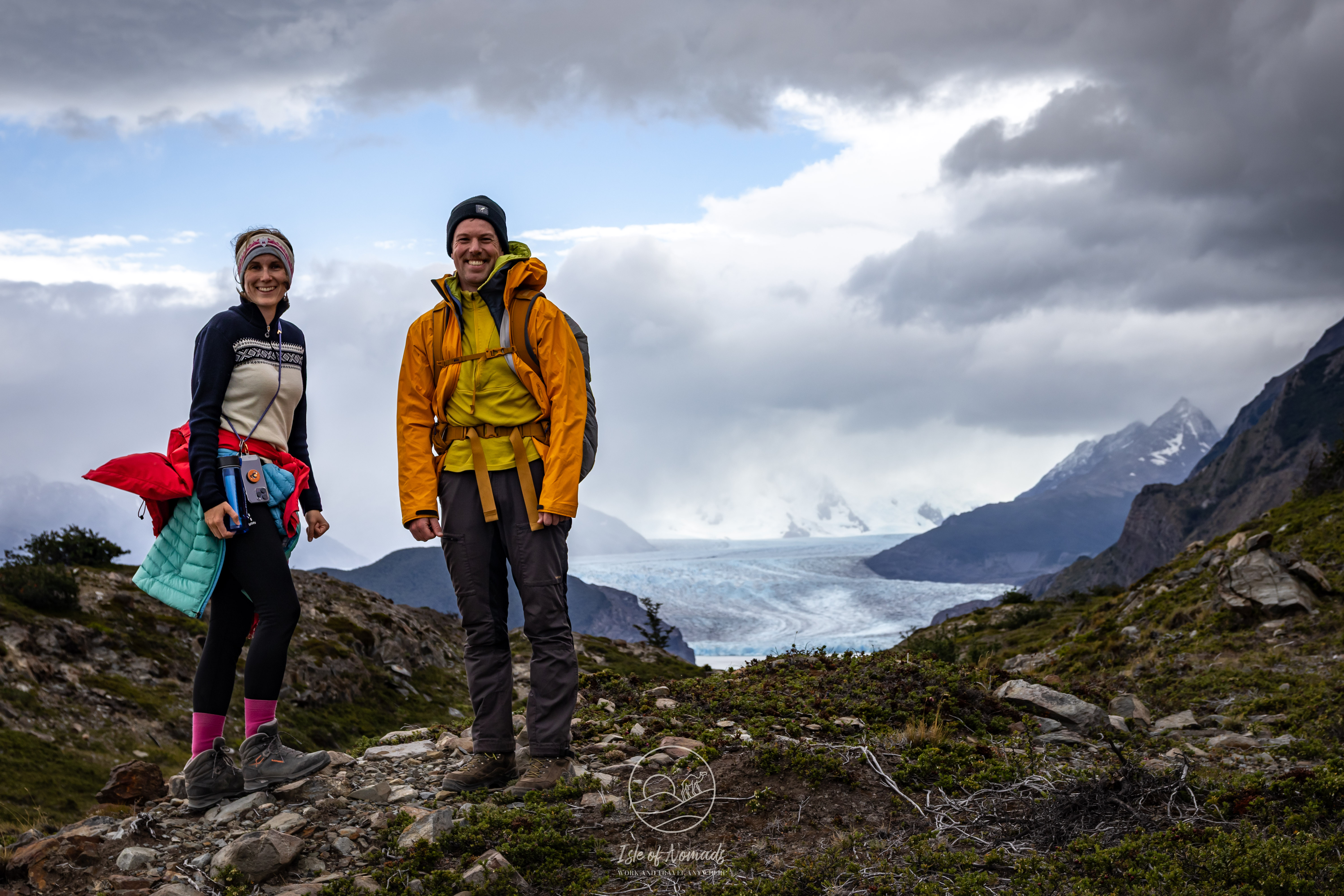
Our first destination was Grey Glacier. I loved this first hike, and it felt quite surreal to finally be there after so much planning. We made it back to Paine Grande at around 7:30 pm, ready for dinner. Looking at the photos from that day, we still had a surprising amount of energy (that would change by day three XD).
Our actual route: Komoot Day 1.
Where we slept: Hostal Paine Grande, in a dorm bed.
Day 2: The French Valley to Los Cuernos
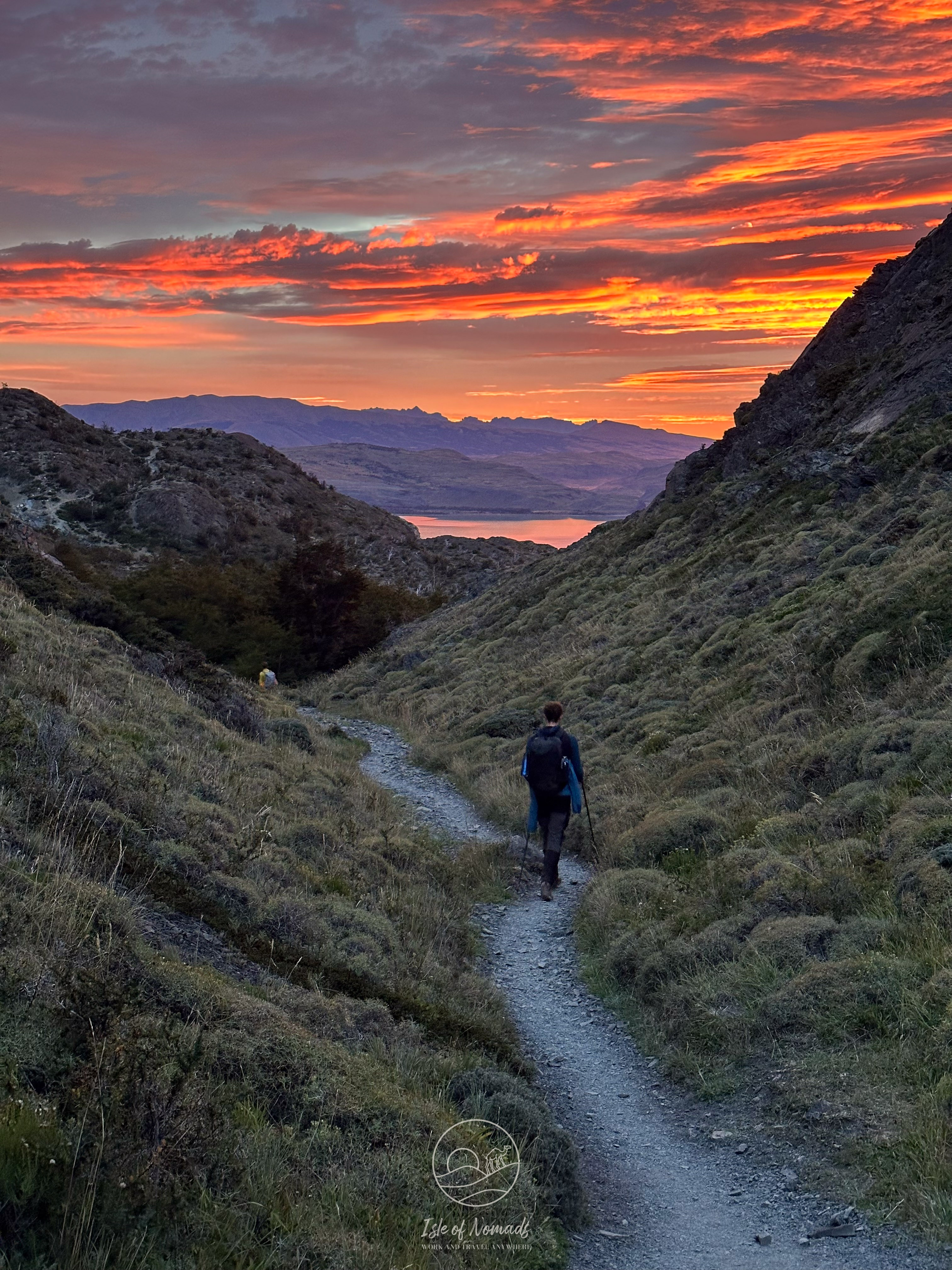
Our hike: approximately 23.5 km. We started around sunrise, at roughly 7 am.
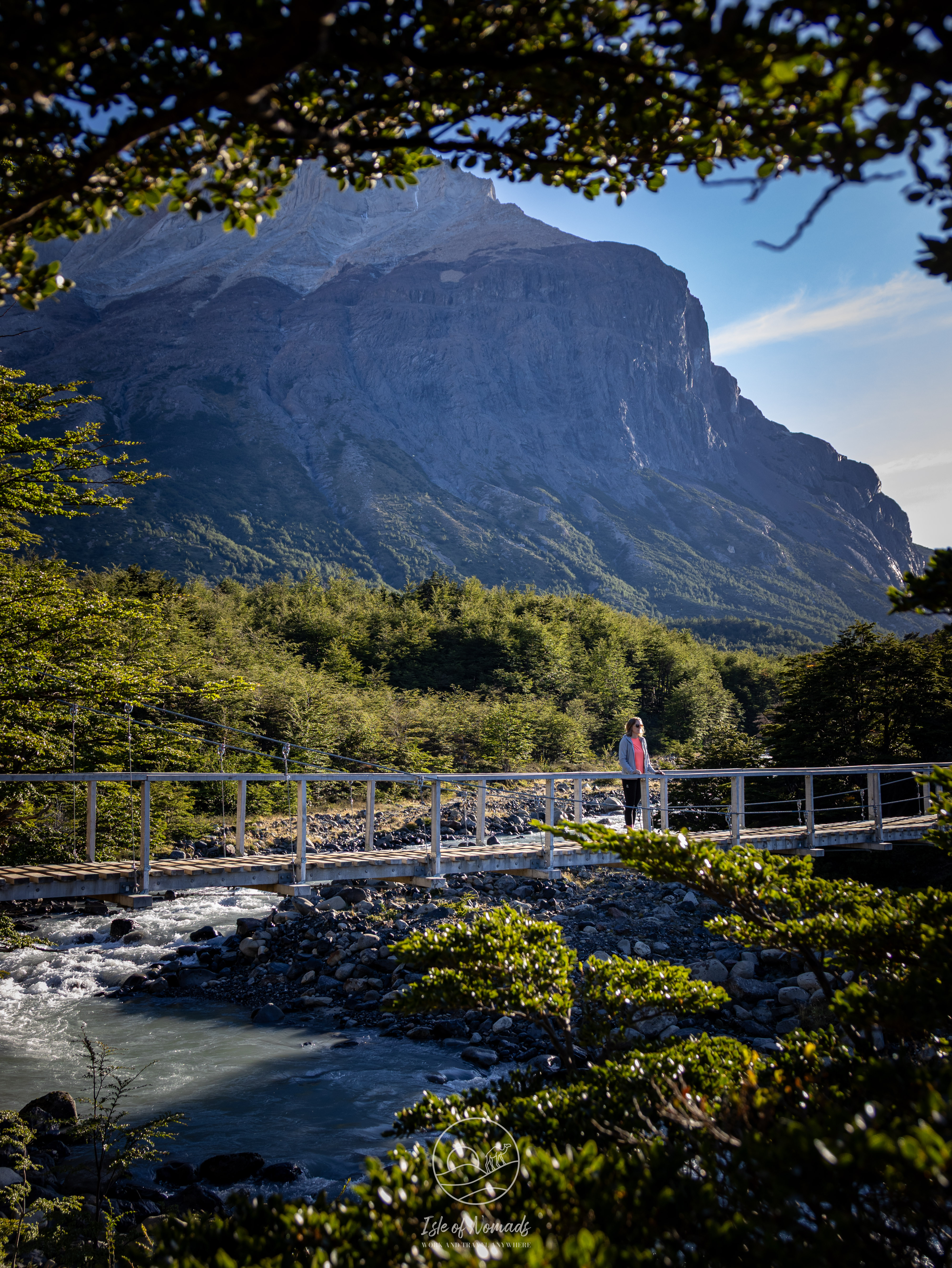
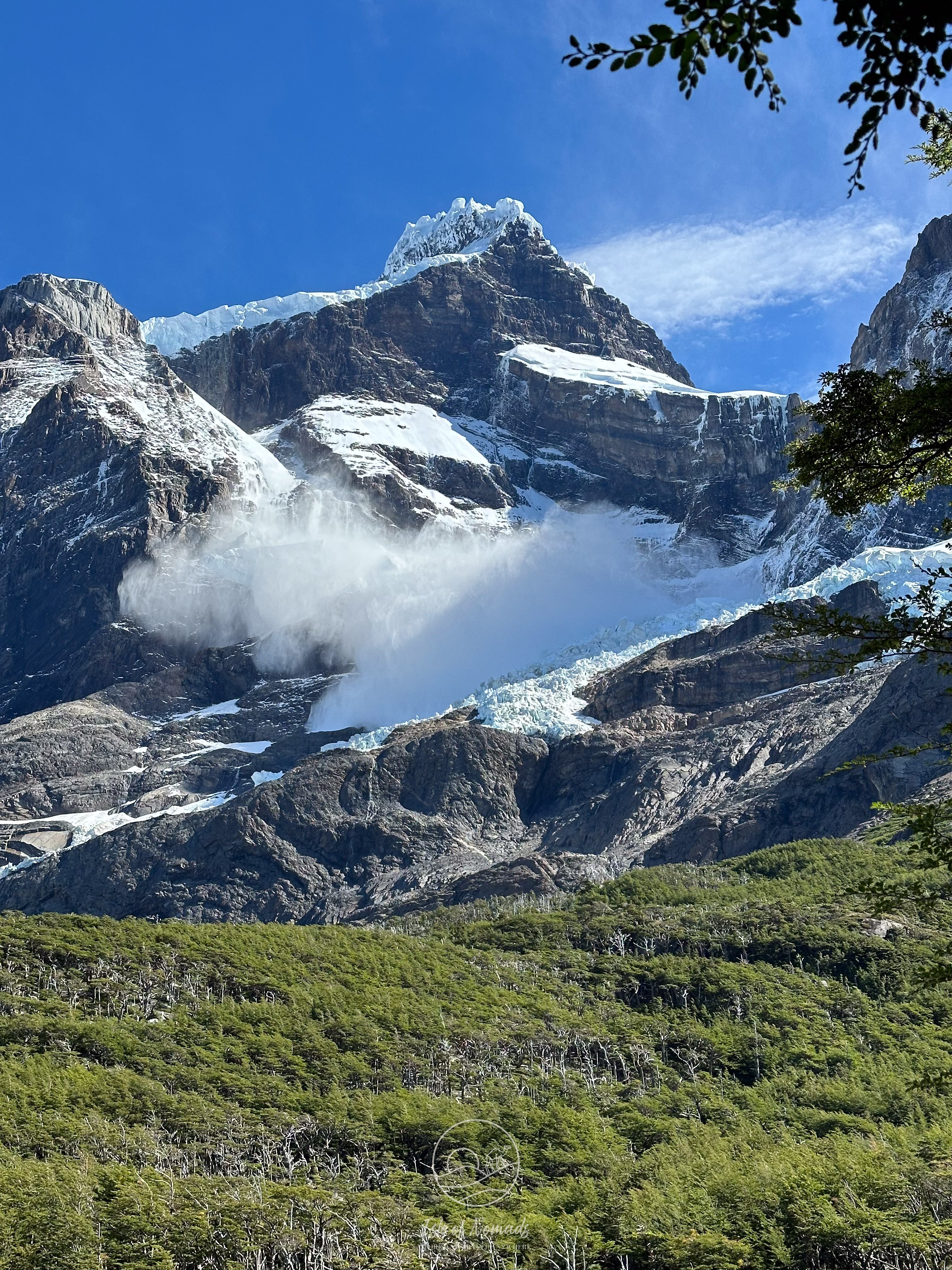
We set off early and spent the day hiking from Paine Grande into the French Valley and onwards to Los Cuernos. This was my favourite day in terms of the landscape along the path. We went all the way to both Mirador Francés and Mirador Británico, and at one point we saw an enormous avalanche coming down the mountain on the other side of the valley. It was quite something to watch from afar.
We then continued towards Los Cuernos for the night. By now our backpacks were definitely starting to feel heavier, although we'd already left all unnecessary luggage in Puerto Natales.
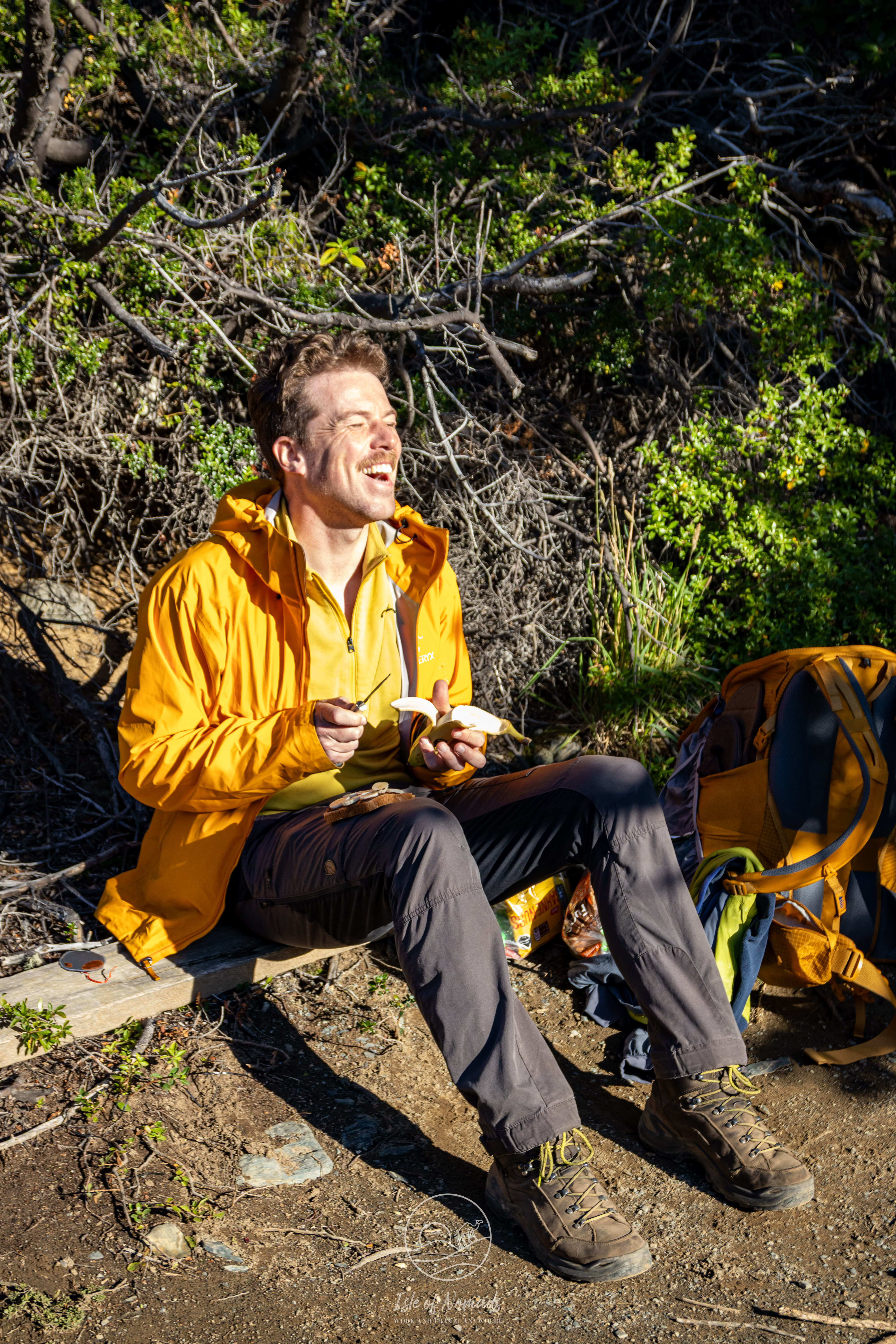
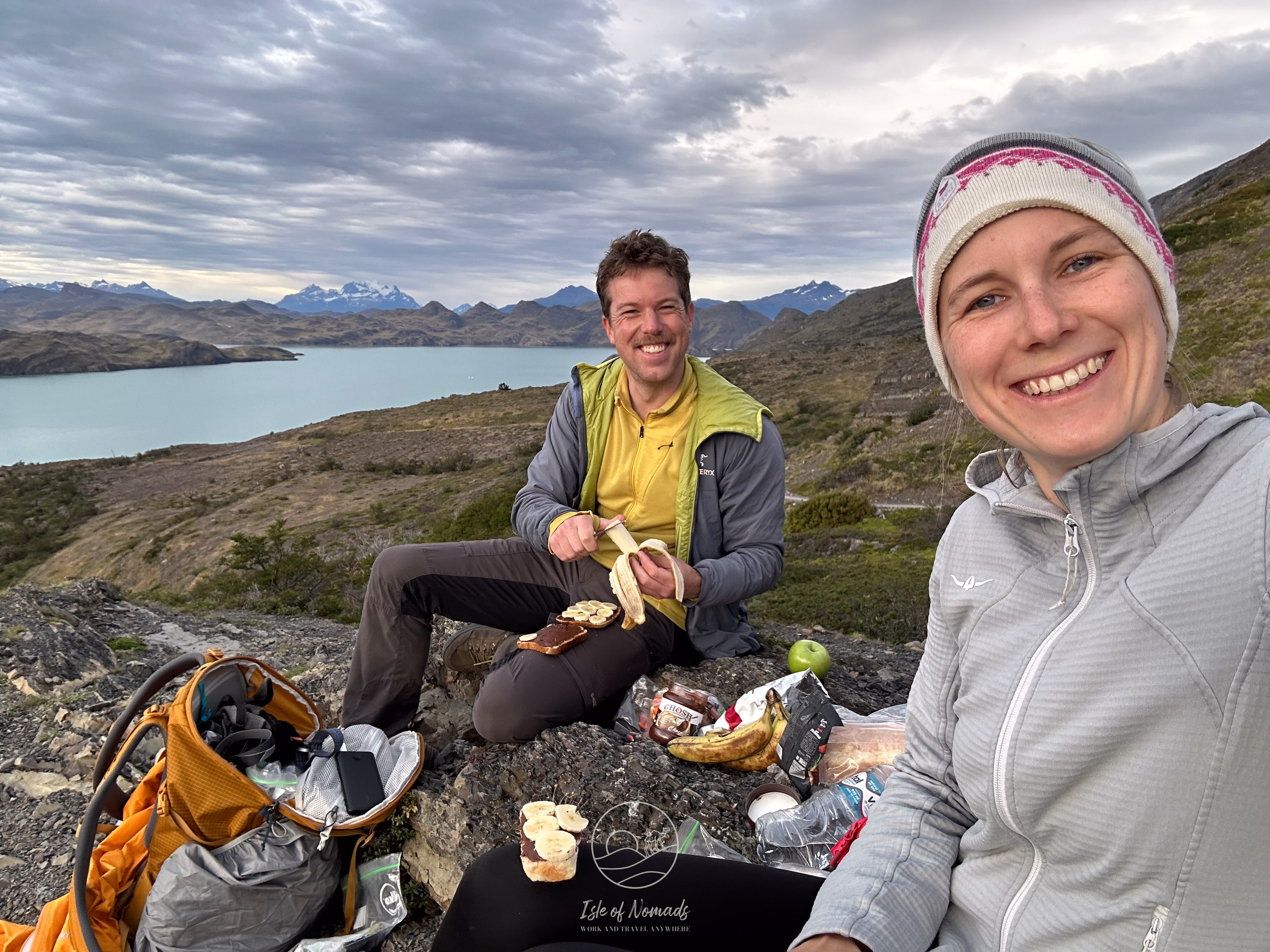
One of the nicest things on all three days was sitting down to eat together. We had two jars of peanut butter and two jars of jelly, plus bread, nuts and other snacks, and we were always so hungry that these little breaks were wonderful. I also have to say that Nutella with banana is amazing on a normal day, but try walking more than 20 kilometres first and it becomes something else entirely XD.
Our actual route: Komoot Day 2
Where we slept: Los Cuernos, in a dorm bed.
Day 3: Los Cuernos to Mirador de las Torres and Central
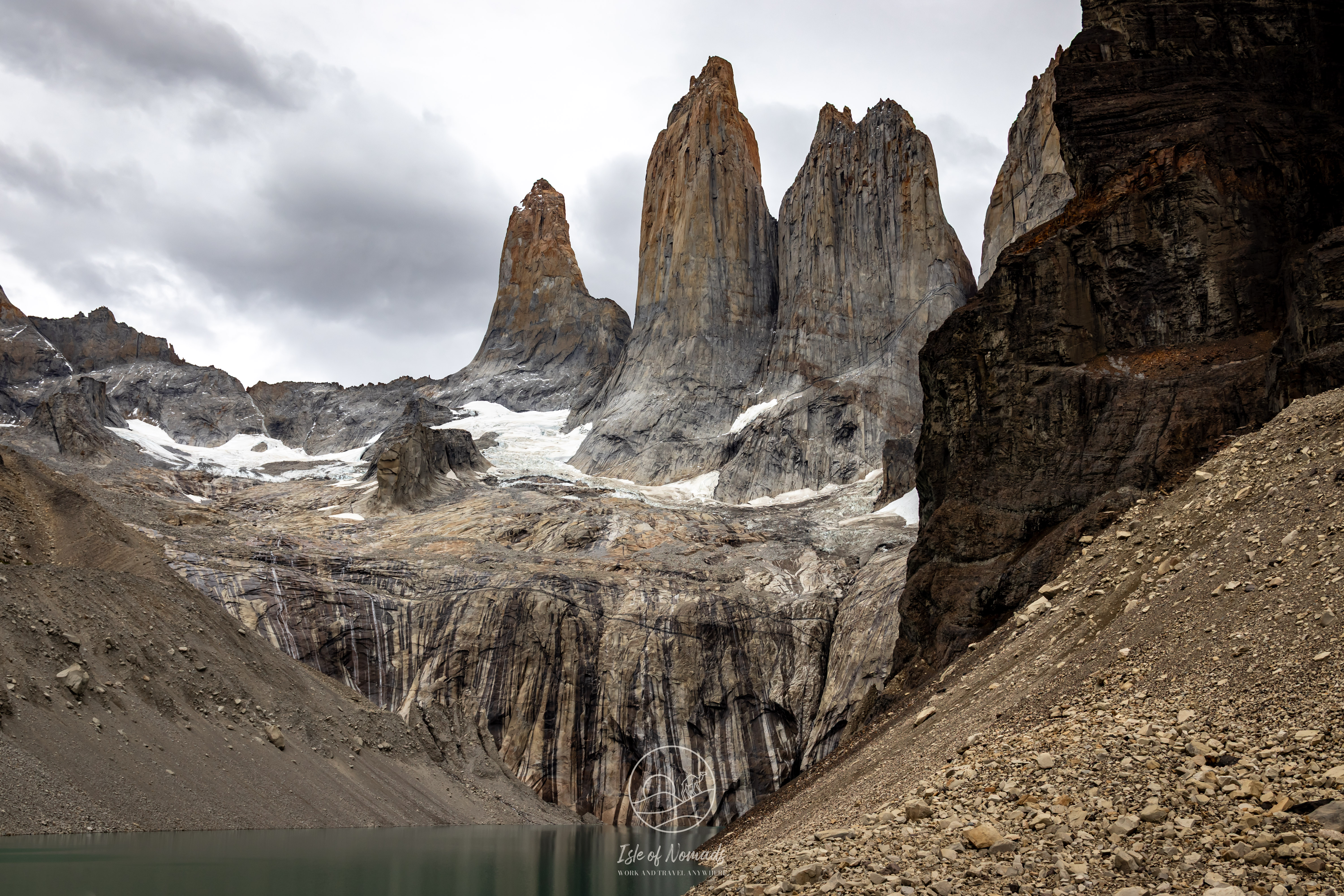
Our hike: approximately 26 km, with more than 1,000 m of climbing. We left at around 5:30 am, before sunrise.
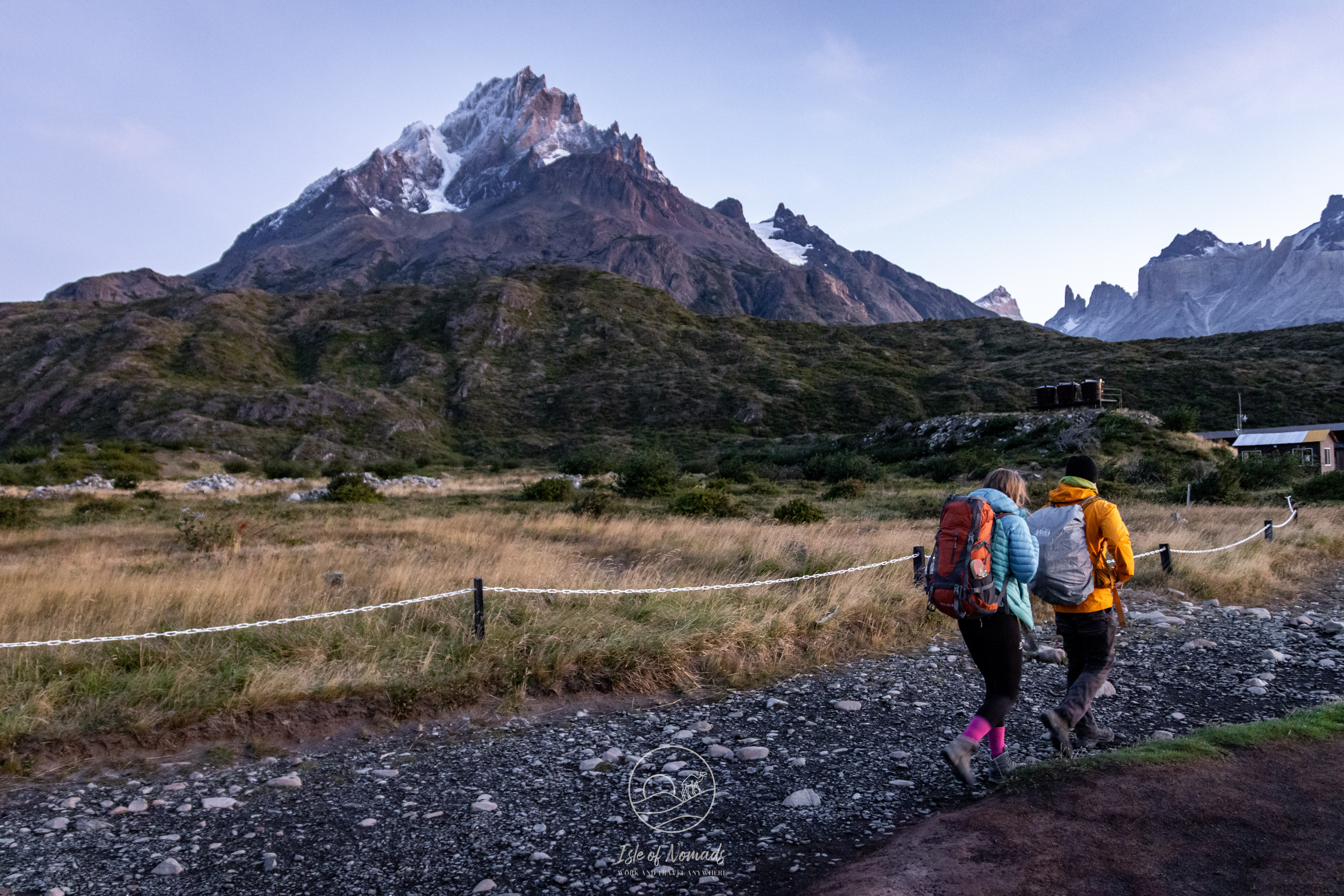
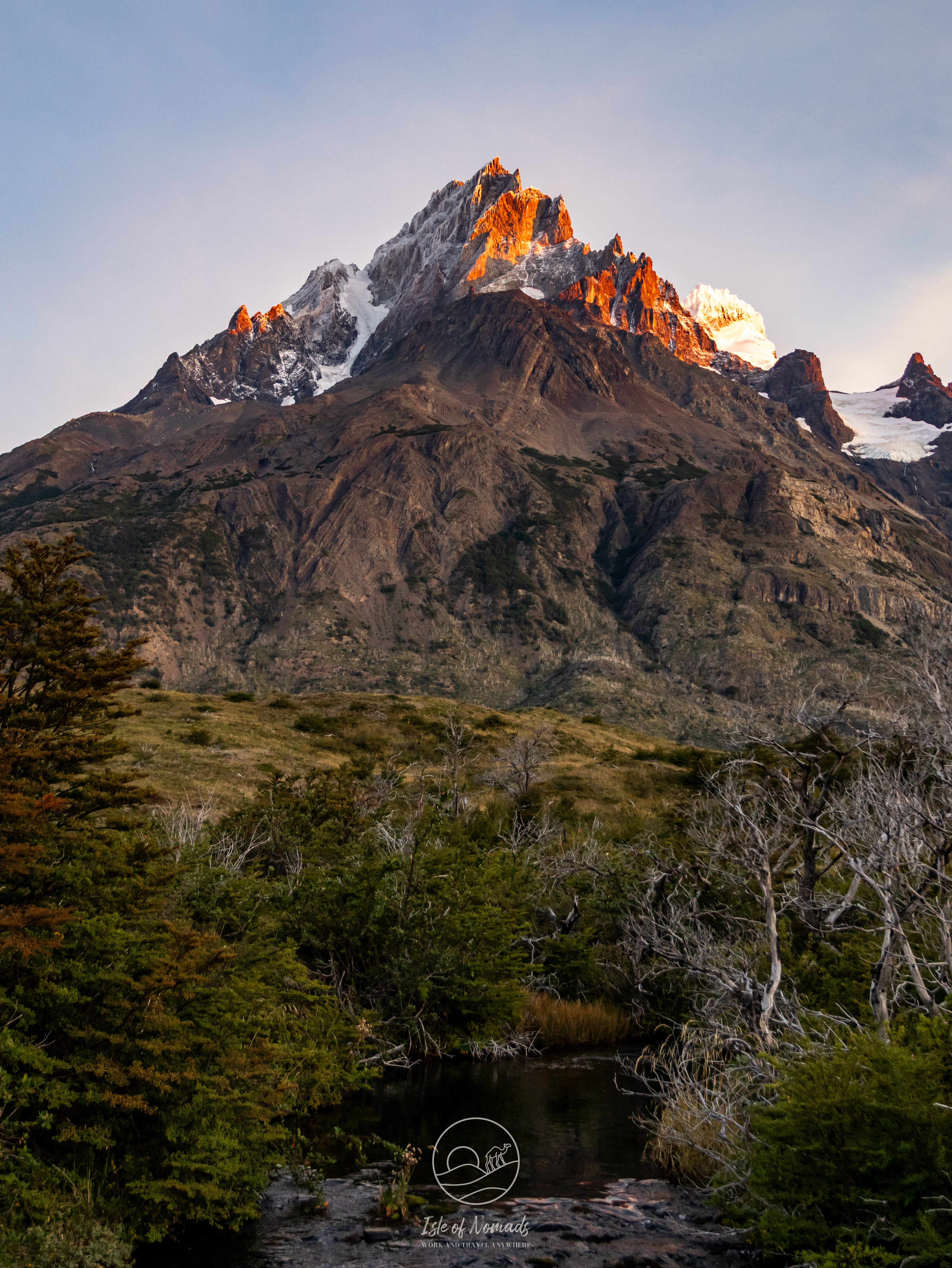
I have to be honest, I love sleeping in, so getting up that early was very rough. But then the sun came up while we were already walking through the mountains, and it was one of the most special moments of the whole trip. I would get up that early again for that sunrise (which says quite something coming from me!).
We headed east from Los Cuernos and then climbed past Chileno towards the Mirador de las Torres. We left our larger backpacks at Chileno and continued with a smaller daypack for the final climb. The viewpoint itself was busy, especially compared to the quieter trails we had walked early in the morning.
After the towers, we made our way down towards Central. We'd booked a dorm bed there, and even unpacked our bags. Unfortunately, we didn't end up using that final night. (More on that rather memorable evening below!)
Our actual route: Komoot Day 3
Booked night: Refugio Central, dorm bed. We paid for it but left the park that evening to catch our flight that had been pre-poned.
Important: That pre-sunrise departure is what we did on our trip. It is not a recommendation to hike outside permitted hours. Current ranger instructions, trail opening/closing times and weather conditions take priority. Our compressed route also left very little margin if anything had gone wrong, which is one reason I recommend the four- or five-day alternatives for most readers.
Four days on the W Trek
For most people, I would choose four days rather than trying to copy our very long three-day version. We didn't hike this itinerary ourselves, but it follows the same west-to-east route and spreads the distance out a little more.
Day 1: Paine Grande and Grey Glacier. Take the catamaran to Paine Grande, walk towards Grey Glacier and return to Paine Grande for the night, just as we did.
Day 2: Paine Grande, French Valley and Francés. Hike into the French Valley and stay in the Francés sector rather than pushing on to Los Cuernos. How far up the valley you can safely go depends on the day's conditions, distances and ranger cut-off times.
Day 3: Francés towards Chileno or Central. Continue east along the lake and towards your booked accommodation. Choosing between Chileno and Central makes a real difference to the final day's walking and transport connections.
Day 4: Mirador de las Torres and out. Visit the towers and leave the park, using the transport connection you've checked beforehand.
Five days on the W Trek
Five days gives you more time for the views, and I think it would be a lovely way to do the trek if the refugio costs fit your budget. This is also based on route research rather than a version we completed.
Day 1: Paine Grande to Grey. Take the catamaran to Paine Grande and walk towards the Grey sector, where you stay overnight.
Day 2: Grey back to Paine Grande. Enjoy the glacier viewpoints and return to Paine Grande for the night.
Day 3: Paine Grande and the French Valley. Explore the valley and stay in the Francés or Cuernos sector, depending on your route and booking.
Day 4: Continue east. Walk towards Chileno or Central, giving yourself time for the scenery along the way.
Day 5: Mirador de las Torres and back out. Finish with the towers and the trip back to Puerto Natales, if the day's approved trail and transport timings allow it.
The main disadvantage of both slower itineraries is, of course, the cost of another night or two in the park. But you'll also have more flexibility if the weather isn't great, and you won't have to fit everything into three very long walking days.
How do you book the W Trek refugios?
Definitely book your accommodation nights before committing to the rest of your schedule. There are two operators, and you may need both.
- Vértice Patagonia manages the western refugios, including Paine Grande and Grey.
- Las Torres Patagonia manages eastern sectors including Francés, Los Cuernos, Chileno and Central.
The slightly annoying thing is that you'll probably need to book on both websites, so you can't just reserve the entire trek in one go. I would first decide how many days you want to hike and in which direction, then check the nights you need with both operators and make sure they connect. Only then would I book the transport around those dates. The park requires accommodation reservations for overnight W and O hikers. You can buy your park-entry ticket through Pases Parques at least 24 hours in advance, as directed by the park's reservation guidance.
If one of your preferred nights is sold out, don't give up straight away. We had this problem with one night when we booked, but kept checking the availability, and eventually a spot opened up. That doesn't mean a cancellation will always appear, but it worked for us. There are also third-party booking services that combine both operators for an additional charge, although we booked directly.
I won't go through every click on the booking websites, as those things change all the time. Just make sure you book the right accommodation on each day and save the confirmations somewhere you can access them without internet. Double-check the dates before paying for everything.
Should you stay in refugios or camp?
For our particular three-day trek, I was very glad we chose dorm beds and dinner instead of carrying camping gear.
You can camp with your own equipment at the refugios (both the Vertice and Las Torres ones), book an equipped campsite, or sleep in a refugio bed. Camping with your own tent is the cheapest option, but you'll need to carry all of your gear. At an equipped campsite, the tent and some bedding are waiting for you. With refugio beds, you can leave the camping equipment at home, which is exactly what we wanted for our three long walking days.
We booked dorm beds with dinner included and carried our own breakfast and walking food. For us, this was the right balance. We were starving in the evenings and it was wonderful to just sit down and eat a proper warm meal, even though I wasn't very impressed by the food itself. I wouldn't pay for breakfast or packed lunches if you're happy to carry your own food, but that's obviously a personal preference.
What are the current prices?
The prices below are examples from official operator listings for the 2026–27 season, not a full quote for a multi-day trek. Vértice and Las Torres do not sell exactly the same accommodation products, and some rates differ by visitor residency, month, bedding or occupancy.
| Accommodation example | Listed 2026–27 starting price | What it means |
|---|---|---|
| Paine Grande camping, Vértice | US$13 per person/night | Camping pitch; your equipment is extra if you rent it. |
| Paine Grande bed, Vértice | US$66 for a simple bed, US$114 for a made bed | Bedding choice matters. |
| Los Cuernos equipped camp, Las Torres | US$160 per person/night | High-season double-occupancy example, equipped tent. |
| Los Cuernos refugio, Las Torres | From US$230 per person/night | High-season dorm-bed example for international visitors. |
| Central refugio, Las Torres | From US$230 per person/night | High-season dorm-bed example for international visitors. |
For comparison, Vértice currently lists a Paine Grande dinner at US$53, while Las Torres lists an individual dinner at Los Cuernos or Central at US$70. These are separate from the bed prices unless you choose an appropriate package. Check what meals and bedding are included before comparing totals.
Where did we stay?
Paine Grande was my favourite of the refugios we slept in. For the amount you pay, none of them is exactly luxurious, but the differences were noticeable.
Paine Grande, night one. This was the one I liked most. The beds were comfortable, the facilities were good, and dinner was plentiful, which was very welcome after our first 23 kilometres. We didn't use the Wi-Fi there, so I can't tell you whether it worked well, but otherwise I was quite happy with the stay.
Los Cuernos, night two. I liked this one considerably less. The beds felt tiny, the showers were not maintained as well as at Paine Grande, and dinner actually left us hungry. After a long day in the French Valley, I would have loved a bit more food! It was OK for one night, but at these prices I had expected something better.
Central, our booked third night. We did get to see the dorm, and I actually thought the beds looked the nicest of all three refugios. Unfortunately, we had to leave again before sleeping there. I can't tell you what the showers or dinner were like, as we didn't get to use either, but the beds looked very promising XD.
So when I say the refugios aren't great value for money, here's what I mean: you're paying a lot for dorm beds and food that, overall, I didn't find particularly good. That being said, the option of carrying less gear and having a warm dinner after each day was absolutely worth it to us. I wouldn't change that part of our trek.
How do you get to and from the W Trek?
Puerto Natales is the practical base, with a bus and catamaran to Paine Grande and a shuttle/bus connection from the eastern end.
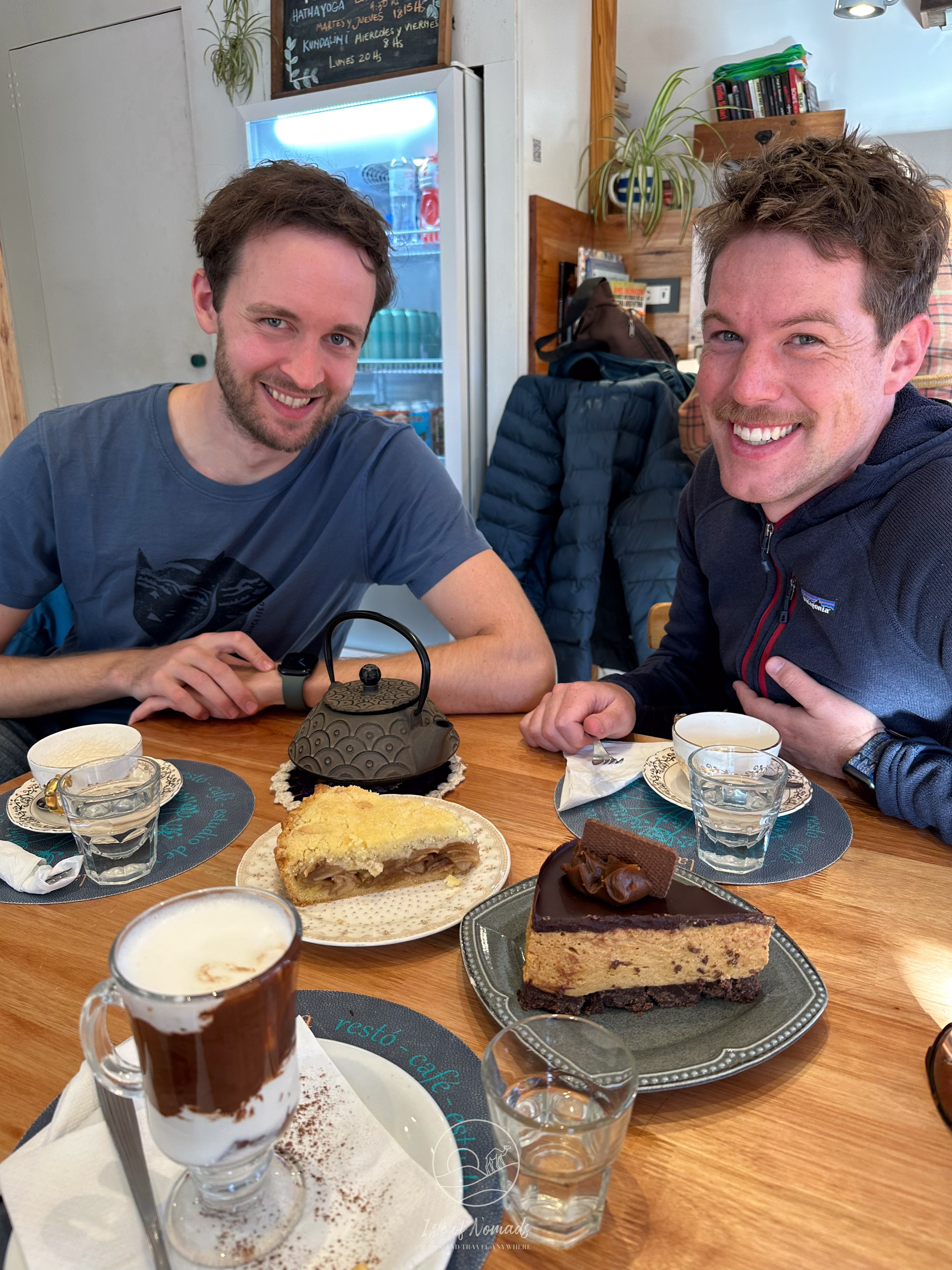
I would spend at least one night in Puerto Natales before starting the W, as we did. We bought our trail food, sorted out cash and left most of our luggage behind. We stored our bigger bags at Trotamundos Hostel for around US$3 per bag. Cordt was a bit worried as he left his laptop behind, but it worked perfectly.
For places to stay and eat in Puerto Natales, see my suggestions in Day 0 above. They're the same places I recommend in our full Patagonia itinerary. For the full list of hotels, restaurants and activities we recommend in Patagonia, head to our Google Map.
Getting in at Paine Grande, west to east
When we did the trek, we took an early bus from Puerto Natales (around 6:45 am), continued to Pudeto and then took the catamaran across Lago Pehoé to Paine Grande. We arrived there at about 11 am, so we could use the afternoon for the Grey Glacier hike.
The schedules have changed since our trip. For the current main season, Bus-Sur lists a 07:00 bus from Puerto Natales, reaching Pudeto around 10:00. The official Lago Pehoé catamaran operator lists a 10:30 departure from Pudeto to Paine Grande between 16 October 2026 and 31 March 2027. The boat fare is currently CLP 28,000 one way.
Getting out from Central, east to west transport connection
The eastern end connects via the Las Torres sector and Laguna Amarga to buses towards Puerto Natales. Las Torres provides a shuttle between the sector and the Laguna Amarga bus stop; check its current times and prices when you plan to leave the park. Bus-Sur's 2026–27 service information lists an evening departure from Laguna Amarga at 20:15.
Park entry and trail access
Buy the park pass in advance through Pases Parques. In the 2026 price schedule, the park lists CLP 48,500 for a foreign adult staying more than one day.
Head to the park's official trail-map page for trail section cut-off times. You can check the current daily trail report on the visitor guidance.
What should you pack?
Pack layers for Patagonia's weather, enough food for the time on the trail and as little unnecessary weight as possible.
Our packs weighed about 15 kg each for the men and 9 kg for me, which is not especially light considering that we didn't carry camping gear. We had everything we needed, although I could definitely have left some clothes at home. You really don't need that many different outfits when you're hiking every day!
Food for the trail. We calculated how much food (in terms of calories) we'd need before setting off, based on our planned walking days, and bought accordingly. We carried plenty of bread, nuts, dried fruit and other food that survives a backpack, plus our now-famous two jars of peanut butter and two jars of jelly. I know that sounds like a lot, but we were hungry almost constantly, and somehow a peanut butter and jelly sandwich tasted better up there than most meals in restaurants. We didn't run out of food either, so the planning paid off.
Merino layers and rain protection. I love merino for hiking. It's light, warm, breathable and you can wear it for several days without it getting too smelly. I'd definitely pack a good rain jacket, warm layers and sun protection as well. We had good weather, but in Patagonia it can change very quickly.
A small foldable daypack. We left our larger backpacks at Chileno before heading towards the towers.
Hiking poles. I had poles and was glad to have them for the long descents. Cordt and our friend didn't take any and were fine, so it depends a bit on your preferences.
Reservations, park pass and transport confirmations. Keep them available offline, and don't rely on having mobile signal on the trail.
What does the W Trek cost?
Our three booked refugio nights, including dinners, came to €1,484 in total for the three of us. That remains one of the most expensive parts of our Patagonia trip.
This works out to approximately €495 per person for the three booked nights, or €165 per person per planned hiking day for accommodation and dinners alone. We only used two nights because we unexpectedly left the park on the third evening. The full amount was still spent.
This was what we paid on our trip. It doesn't include the bus, catamaran, park entry or the food we carried. So yes, it really is an expensive hike! The current accommodation prices above are more useful for planning your own budget, but you'll need to add up the particular refugios, meals and travel dates you book.
Would camping have been cheaper? Absolutely. But I didn't want to carry a tent and full camping setup over such long days. Given how much I enjoyed the trek, I don't regret that decision.
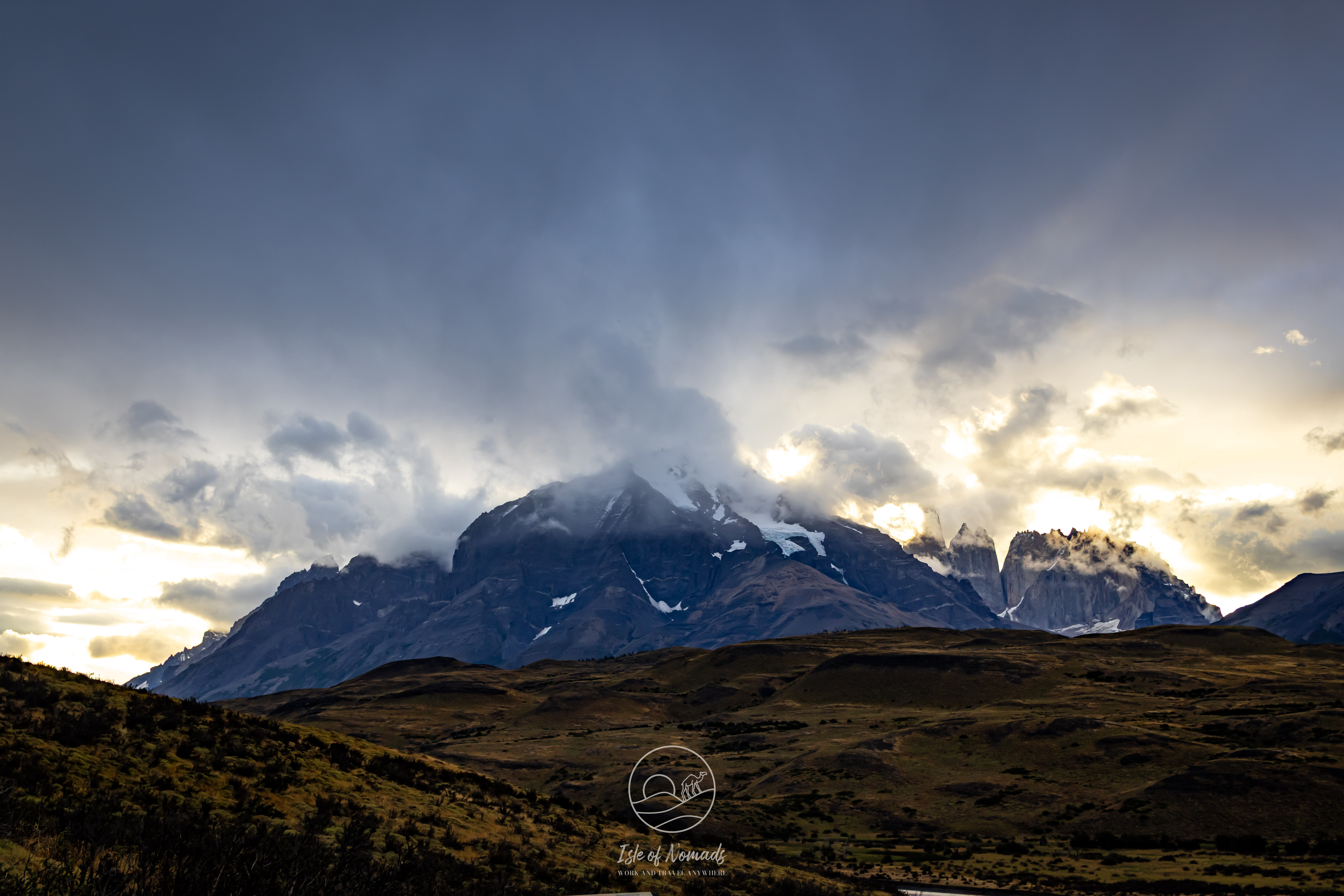
What happened to our third night?
A last-minute flight change turned the final evening into a rather chaotic race back to Puerto Natales, with two pumas as the most unexpected finale.
We'd completed the long final hike, arrived at Central and unpacked in our dorm. Then we paid for Wi-Fi and found an email: our flight from Puerto Natales to Puerto Montt, which had been booked for the following evening, had been cancelled and we'd been moved to an early flight the next morning. We'd only been told about a day in advance!
So we packed everything up again without even having dinner and hurried to catch the last bus out. We made it, although it certainly wasn't the relaxed final evening we'd imagined.
And then the driver started waving at us from the bus. Two pumas were crossing near the road, just going about their evening. After everything that had happened, it was such a strange, lovely way to leave Torres del Paine. The sunset was spectacular too.
We didn't reach Puerto Natales until around 11 pm, by which point finding somewhere to sleep was another challenge. Eventually, the owner of Hostal Camino de Santiago let us in, even though we'd quite literally woken him up. He was incredibly sweet, gave us a room and made breakfast the next morning. We eventually had dinner in a bar around 1 am because we hadn't eaten since lunch.
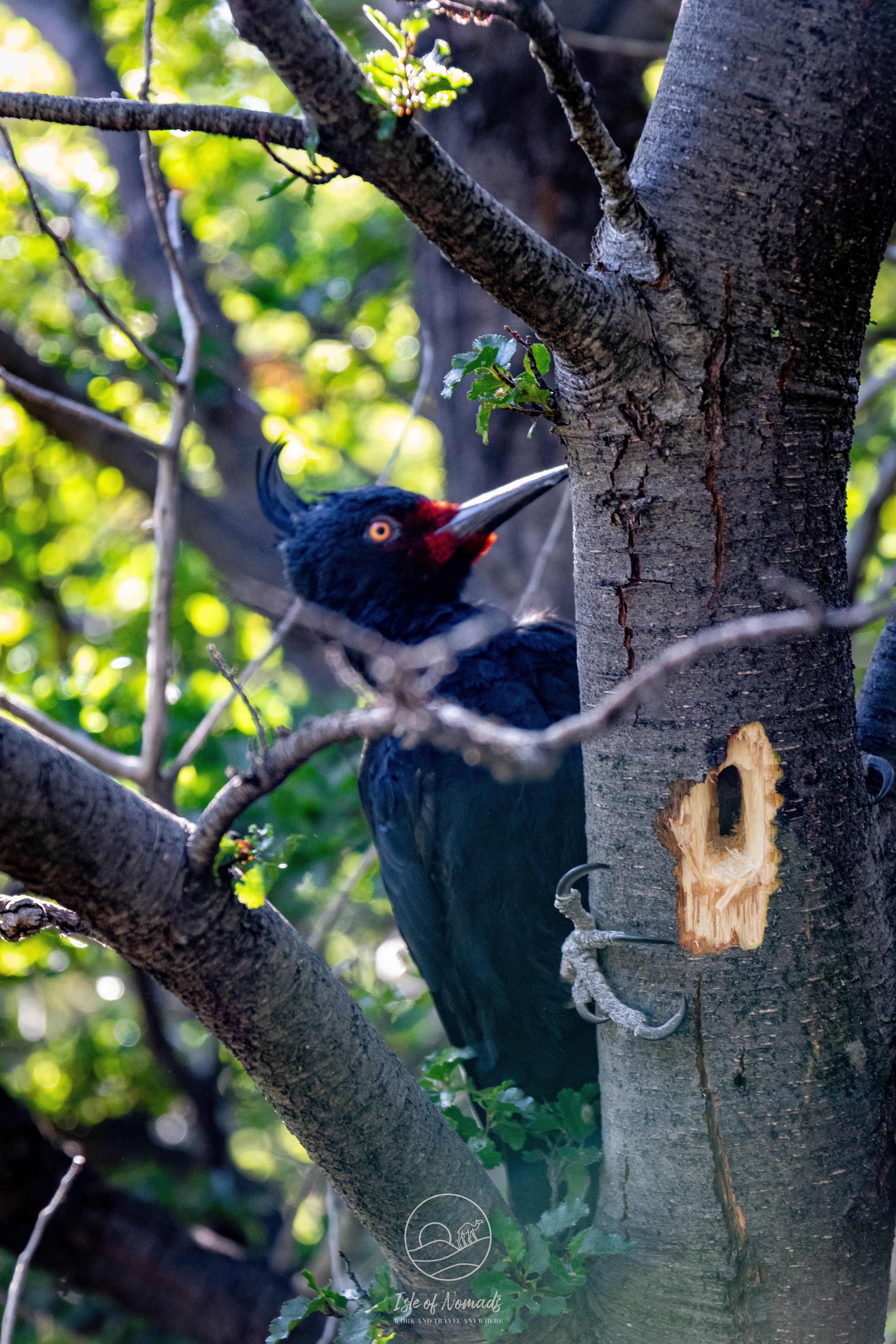
Apart from the pumas, we saw rabbits and lots of large birds that I honestly couldn't identify XD.
Was it annoying to pay for a refugio night we never used? Definitely. But looking back, the whole thing was also weirdly fun. At the airline counter the next morning, the woman just shrugged at the last-minute change, which was quite something after the night we'd had. I would give myself some breathing room before the next flight if I were planning this again.
If the W Trek is part of a longer trip for you, go check out our Patagonia itinerary! It explains how we combined Torres del Paine with El Chaltén, Perito Moreno and the Carretera Austral.
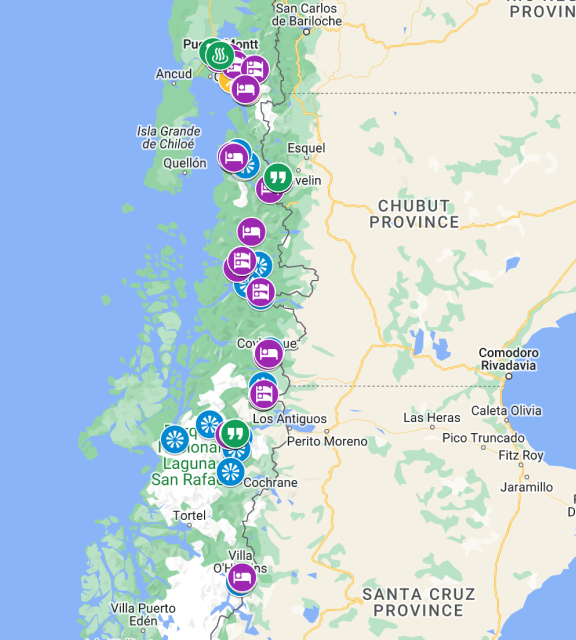
The complete Patagonia travel map.
Every hotel, restaurant, sight and hidden gem from 4 weeks across Patagonia. Straight into your Google Maps.
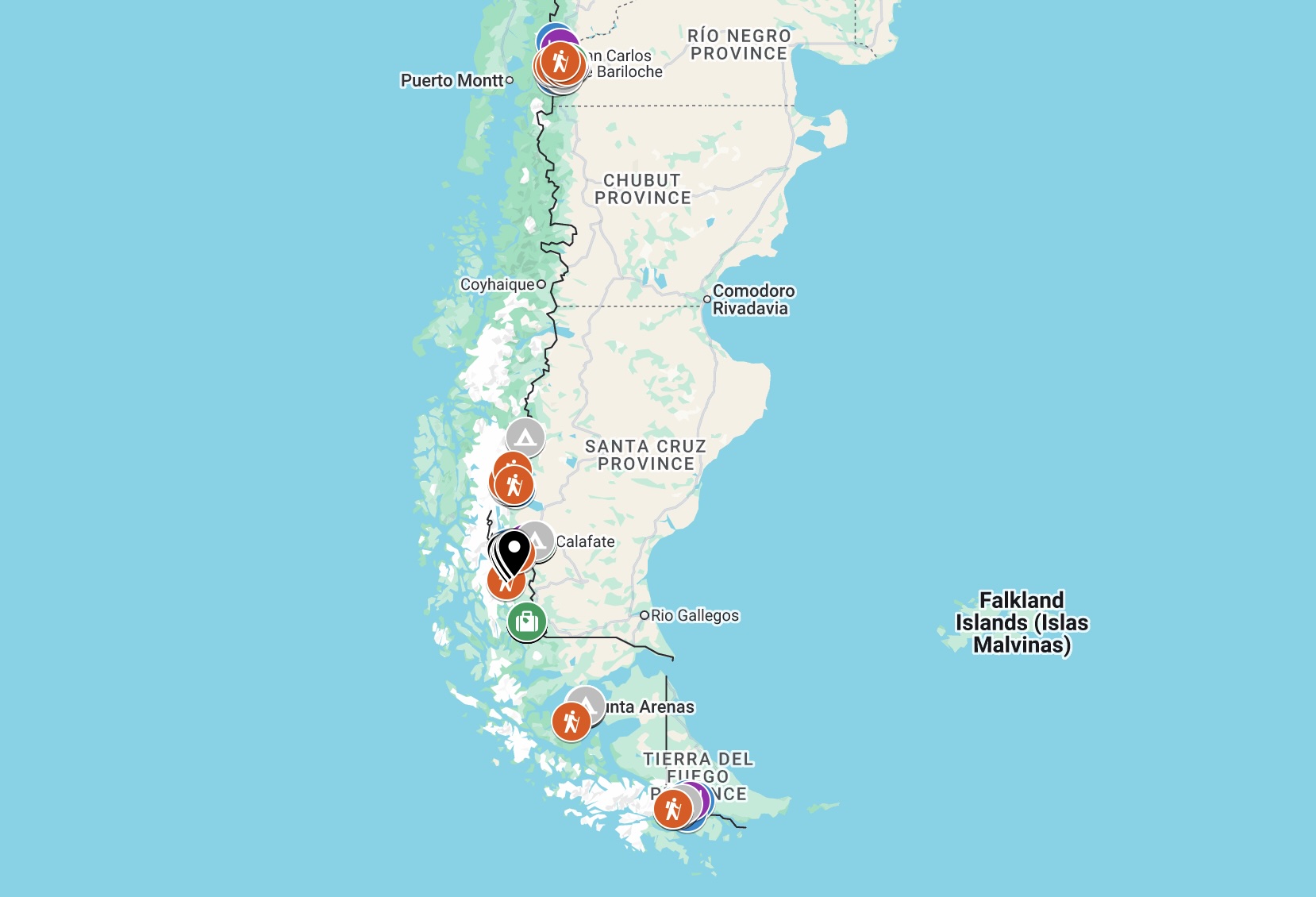
This is a splendid map. It is full of detail and ideal for planning a trip. More helpful than the websites I scanned.
Patrick · February 2026
✓ Used by 155+ travelers planning their next trip