Oman
Best time to travel
Nomad Score
Currency
What to expect
Destinations
What is the best time to travel to Oman?
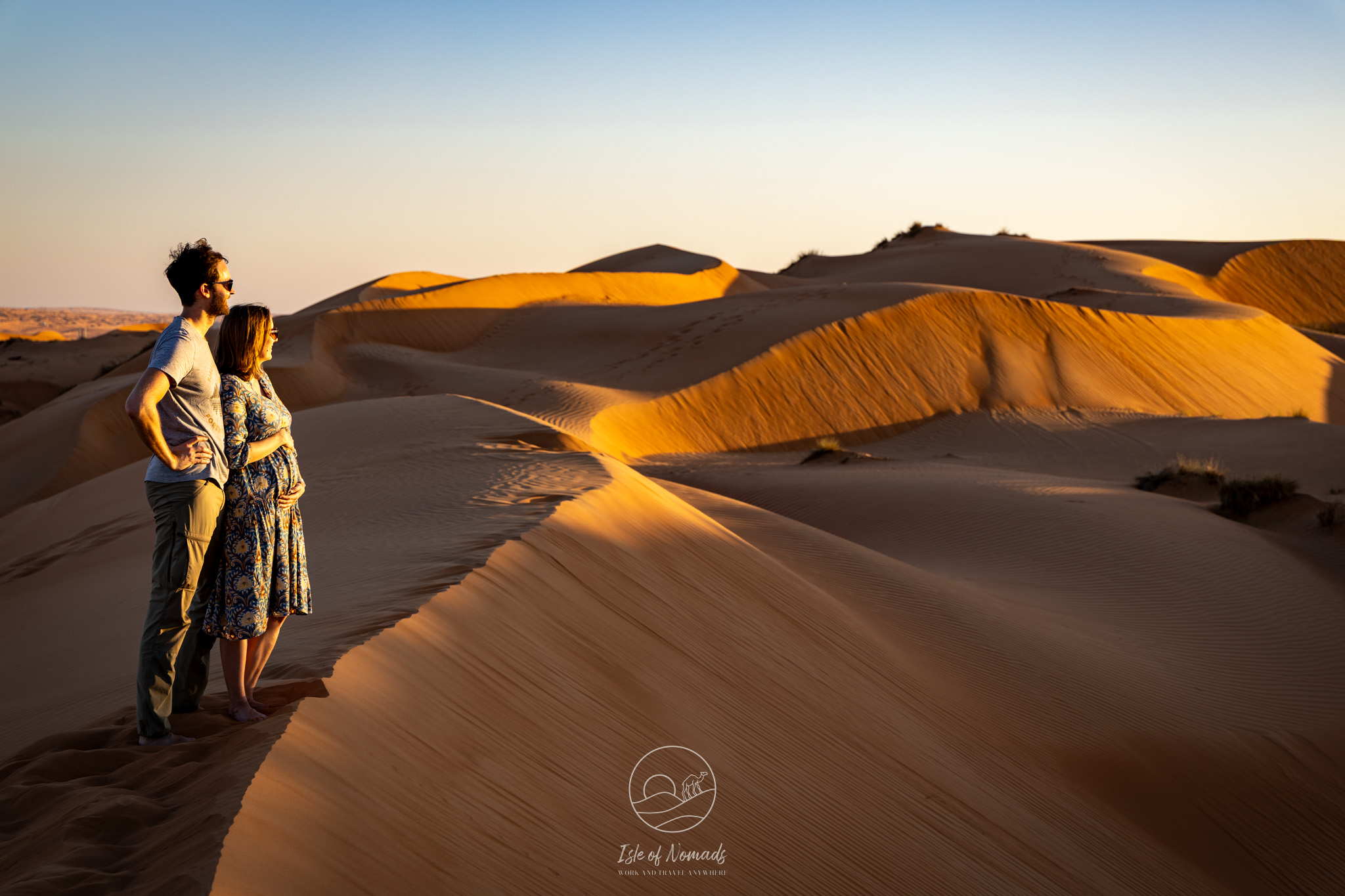
The best time to visit Oman is between October and April, when daytime temperatures are pleasant (typically 20-30°C) and the weather is ideal for hiking, driving, and exploring. November to February is the peak season, with mild days and cool evenings. This is the perfect time for camping in the desert or hiking in the mountains. The summer months (June to September) bring brutal heat to most of the country, with temperatures regularly exceeding 40°C, making outdoor exploration almost impossible. The exception is Salalah and the Dhofar region in the south, which experiences the unique Khareef monsoon between June and September, transforming the usually dry landscape into a lush, green oasis with waterfalls and misty mountains. If you’re heading to Salalah specifically, this is the most magical time to go.
Nomad Score:
Oman scores a 6/10 for digital nomads. The internet infrastructure is excellent across the country, especially in Muscat and other main cities, and the safety, hospitality, and incredible surroundings make it a wonderful place to spend time. However, the country doesn’t yet have a thriving co-working or nomad community like you’d find in Bali, Lisbon, or Bangkok, and the standard tourist visa is short (typically 10-30 days, depending on your nationality), with no specific digital nomad visa available at the time of writing. The cost of living is also higher than typical nomad hubs in Southeast Asia or South America. That said, for a few weeks of remote work with stunning weekend escapes, it’s hard to beat.
Language:
The official language of Oman is Arabic, but English is widely spoken in cities, tourist areas, hotels, and restaurants. This is partly because of the country’s long-standing trade history and its large expat population (mainly from India, Pakistan, and the Philippines). Younger Omanis especially speak excellent English. Learning a few words of Arabic will be much appreciated though. A "shukran" (thank you) and "marhaba" (hello) go a long way. Road signs are bilingual (Arabic and English), which makes self-driving incredibly easy.
Currency and ATMs:
The currency is the Omani Rial (OMR), which is one of the strongest currencies in the world (1 OMR ≈ 2.40 EUR at the time of writing). ATMs are widely available in cities, towns, and even at most petrol stations along the main highways. International cards are accepted almost everywhere, and most hotels, restaurants, and tourist attractions take credit cards. However, you’ll want to have cash on hand for smaller restaurants, souqs (where bargaining is expected), the Nizwa goat market, and remote desert camps. The Rial is divided into 1000 baisa, so be careful with small denominations. They can be confusing at first.
Safety:
Oman is one of the safest countries in the world, full stop. Violent crime is extremely rare, petty theft is uncommon, and you can walk around at any time of day or night without concern. Solo female travelers consistently report feeling safer in Oman than in most other Middle Eastern destinations. That being said, standard caution and respectful dress are always recommended. The main safety considerations are practical: the heat in summer can be genuinely dangerous, so always carry water; some mountain and desert roads require a 4x4 and basic off-road experience; and at the wadis, be aware of flash flood risk during rare heavy rains. Beyond that, you’ll find Omanis incredibly helpful: if you look lost or confused, someone will almost always stop to help.