
The Perfect Oman Road Trip: A Self-Drive Itinerary for 1 Week, 10 Days or 2 Weeks
Content
Key information at a glance
| Daily budget: | 70 - 120 EUR/day, depending on travel style |
| Best time to travel: | October to April (avoid the brutal summer heat June-September) |
| For you if: | You want dramatic landscapes, fascinating culture, and incredibly easy self-driving, all wrapped into a destination that's still pleasantly off the typical tourist trail. Perfect for families with (young) kids |
| Country Overview: | Head here for a general overview over Oman and here for our article on Oman as a babymoon destination |
Honestly, Oman flew completely under our radar until we started researching where to go for our baby moon. We had this vague image of the Arabian Peninsula being all glittering skylines and shopping malls (thanks, Dubai stereotypes). But Oman couldn’t be further from that. It’s a country that has held onto its character: traditional villages, mud-brick forts, frankincense markets, and a coastline that switches between turquoise water and dramatic cliffs.
What surprised me most was how easy it is to travel here. The roads are excellent, people are warm and welcoming, and you can self-drive most of the country without ever feeling unsafe. It’s genuinely one of the most relaxing trips we’ve done. I'd say it's perfect if you want adventure without the chaos that often comes with it. This is why I think it's perfect for families with young kids or, in our case, for a baby moon! (For the full guide on Oman as a babymoon destination, head here!)
Every place in Oman we’d send you to.
Everything that made the cut from our 3 weeks on the road, pinned and ready to navigate in your Google Maps.
- 36Hotels
- 41Restaurants
- 30Sights
- 25Hidden gems
✓ Used by 155+ travellers
Know before you travel
A 4x4 isn’t necessary for Oman, but sometimes comes in handy
This was probably the biggest question we had before our trip, and the answer is: it depends entirely on where you want to go. For Muscat, the coast, the main highways, and most of the wadis on the east coast, a normal sedan is absolutely fine. But if you want to drive yourself into Wadi Ghul (Oman’s “Grand Canyon” below Jabal Shams), stay at the mountain resorts on Jabal Akhdar (most require a 4x4 at the security checkpoint), or self-drive into the desert at Wahiba Sands, you need a proper 4x4. We rented one for the full trip because we wanted maximum flexibility, but you could equally rent a smaller car for the city portion and upgrade for the mountain/desert leg.
Dress modestly, especially outside Muscat
Oman is a Muslim country and quite a bit more conservative than its neighbours. In Muscat and the resort areas, you can dress relatively freely, but I'd always recommend covering shoulders and knees once you step outside of hotels. At mosques, women need to cover their hair, shoulders, knees, and wrists. Bring a scarf and a long-sleeve top in your day bag. The Sultan Qaboos Grand Mosque in Muscat is strict on this and won’t let you in otherwise.
Friday mornings = everything closed
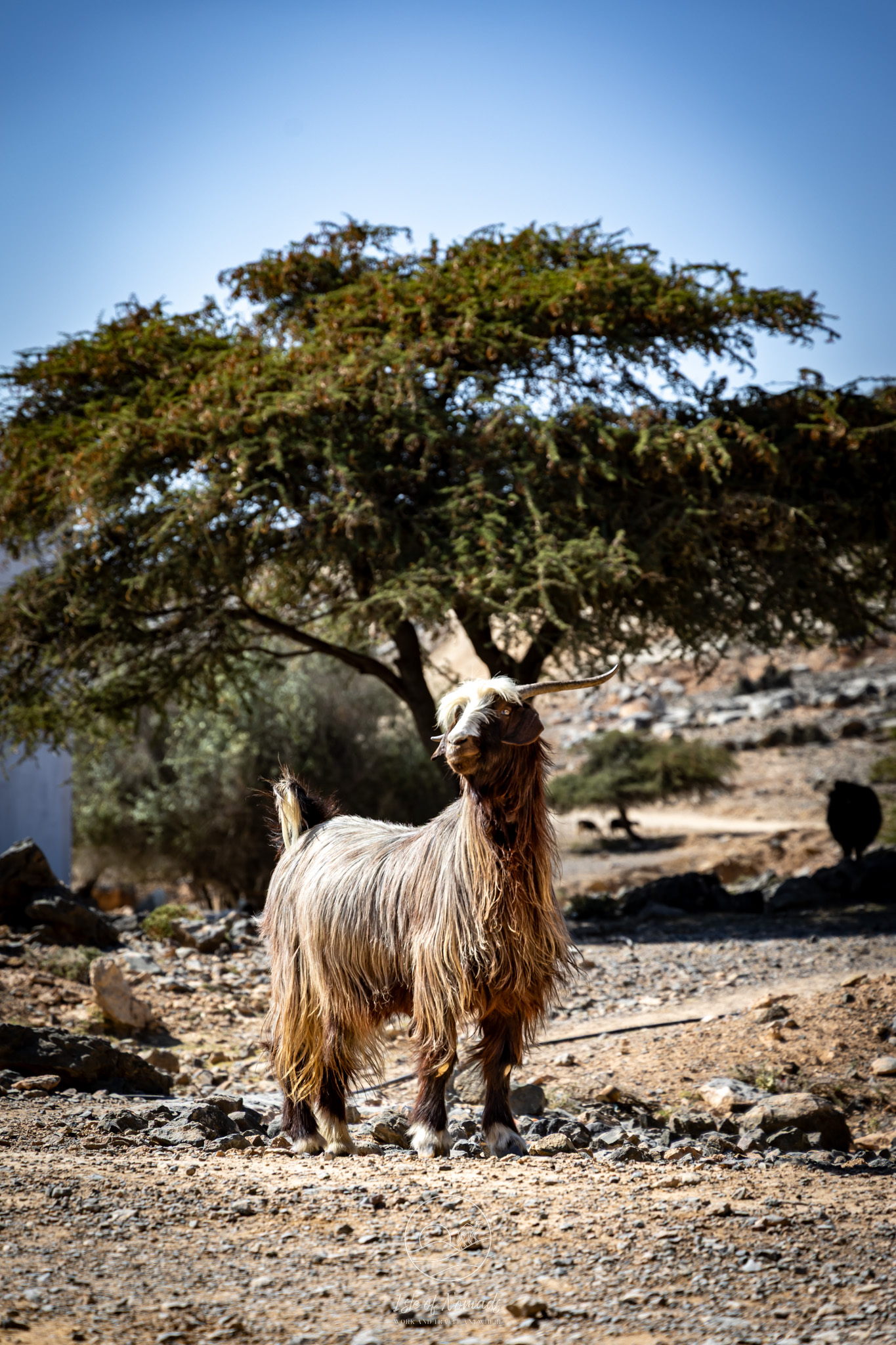
Friday is the Muslim day of prayer, and most shops, restaurants, and attractions are either closed or only open in the afternoon. The big exception (and a major draw!) is the Nizwa goat market, which only happens on Friday mornings, very early. So if you want to catch it, plan your itinerary around a Friday in Nizwa.
Ramadan changes things
If you’re travelling during Ramadan (dates shift each year), be aware that many restaurants close during the day, and eating or drinking in public is frowned upon. Hotels usually still serve food in their restaurants. The atmosphere is incredibly special in the evenings when families break the fast, but the daytime logistics can be challenging.
Stay hydrated
Even in November, when we were there, it was hot during the day in the lower elevations. We always had a 6L water bottle in the car and refilled smaller bottles from it. If you’re doing any hiking, especially the Balcony Walk at Jabal Shams or Wadi Shab, bring way more water than you think you need.
Alcohol is limited
Alcohol is only legally served in licensed hotel restaurants and bars. You won’t find it at local restaurants or in supermarkets, and you can’t bring it in from abroad (besides one bottle from duty free). It’s not a big deal, but worth knowing if you like a glass of wine with dinner.
How to travel around Oman?
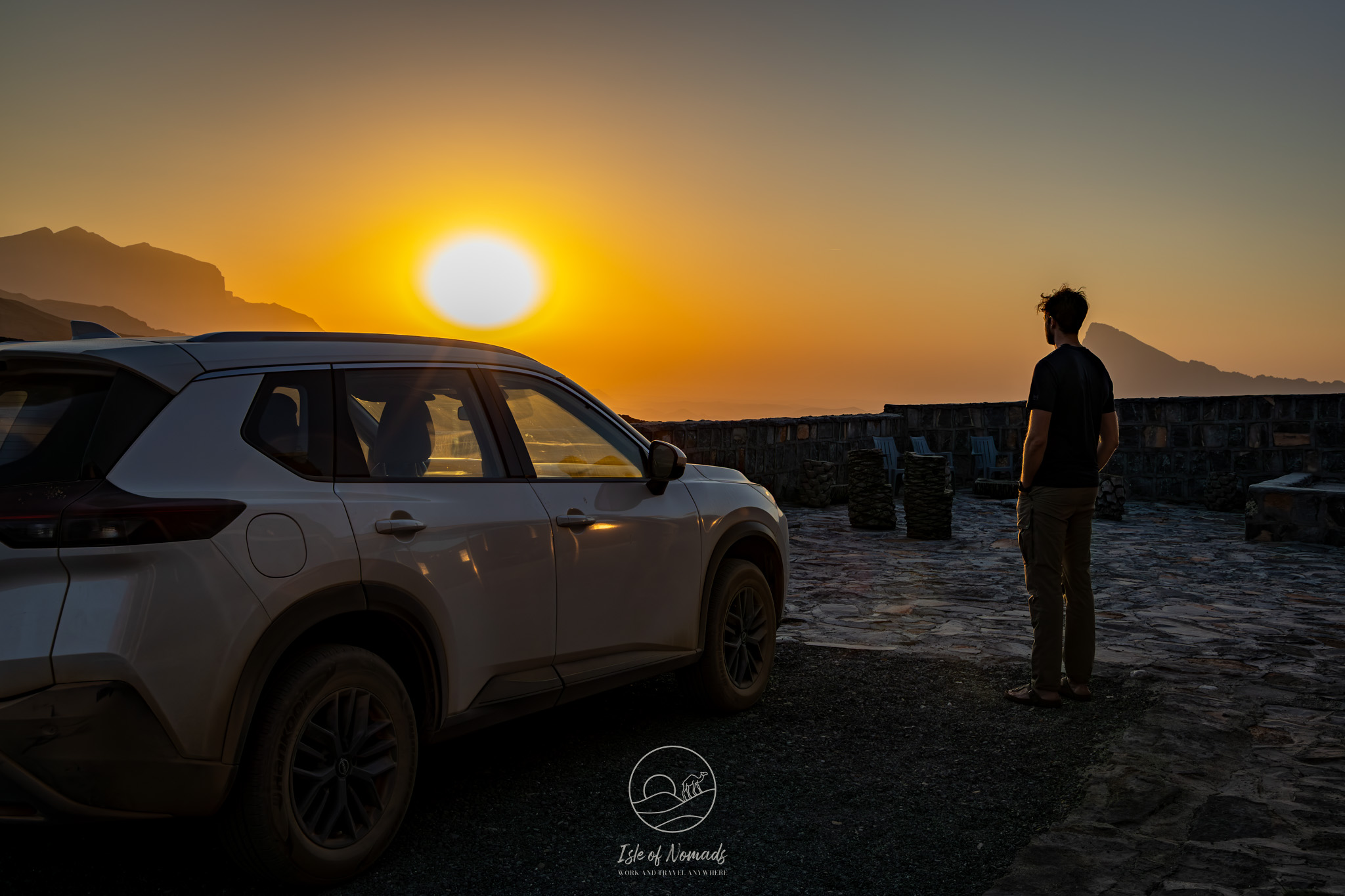
In our opinion, the absolute best way to explore Oman is by self-driving. The country was practically built for road trips: the roads are excellent, signs are in both Arabic and English, distances between sights are manageable, and parking is easy and almost always free.
Self-driving
Renting a car is straightforward and you’ll find all the major international rental companies at Muscat International Airport. An International Driving Permit is technically required alongside your home country license, although enforcement seems patchy. We’d still recommend getting one to be safe.
As mentioned above, you’ll need to make the call between a regular car and a 4x4. For our 10-day baby moon trip, we went with a 4x4 because we wanted to drive into Wadi Ghul, sleep at Hotel Indigo on Jabal Akhdar (which mandates a 4x4 at the security checkpoint), and self-drive into the desert at Wahiba Sands. The price difference was significant, but the flexibility was worth it.
A few practical notes from our trip: Petrol is cheap by European standards. Speed cameras are everywhere and fines are real, so don’t push it. Google Maps works perfectly. And Omanis are generally very courteous drivers, much less chaotic than other parts of the world we've driven in.
Public transportation
Honestly? We didn’t use it once. Oman has some intercity buses (Mwasalat is the main operator) that connect Muscat to Salalah, Nizwa, Sur, and a few other cities, but they don’t get you to most of the sights you’d actually want to see. If you don’t want to drive yourself, the better option is to hire a car with a driver for specific legs, or take guided day tours from Muscat. Otherwise, you’ll be quite limited.
Hired transport and tours
For day trips from Muscat (say to the wadis on the east coast or to Wahiba Sands), booking a guided tour is a reasonable option if you don’t want to drive. GetYourGuide has several options for Wahiba Sands tour from Muscat and also for the wadis.
Within Muscat itself, taxis and ride-hailing apps (OTaxi is the local equivalent of Uber) work well and are reasonably priced.
How long should you spend in Oman?
Oman is bigger than it looks on the map, and the most spectacular bits are spread across the country, from the Hajar Mountains in the north to the Dhofar region down south near the Yemeni border. How long you stay really depends on how much of the country you want to see.
One week is enough to get a solid taste of Oman, but you’ll have to pick your priorities. With a week, I'd suggest focusing on the north: Muscat, the mountains around Jabal Shams, and Nizwa with its forts and goat market. You’ll skip the desert and Salalah, but you’ll leave with a real feel for what makes Oman special.
10 days is in my opinion the sweet spot for a first trip to Oman. You can do everything in the 1-week itinerary at a more relaxed pace, plus add a night in the desert and proper time exploring Muscat. This is what Cordt and I did and it felt like just the right balance between movement and rest, which is important when you’re pregnant!
Two weeks lets you add Salalah and the Dhofar region in the south to your trip. It’s a completely different landscape from the north: frankincense trees, dramatic coastal cliffs, ancient ruins. Well worth the internal flight to get there, and with two weeks you really get a complete picture of Oman.
Map Overview
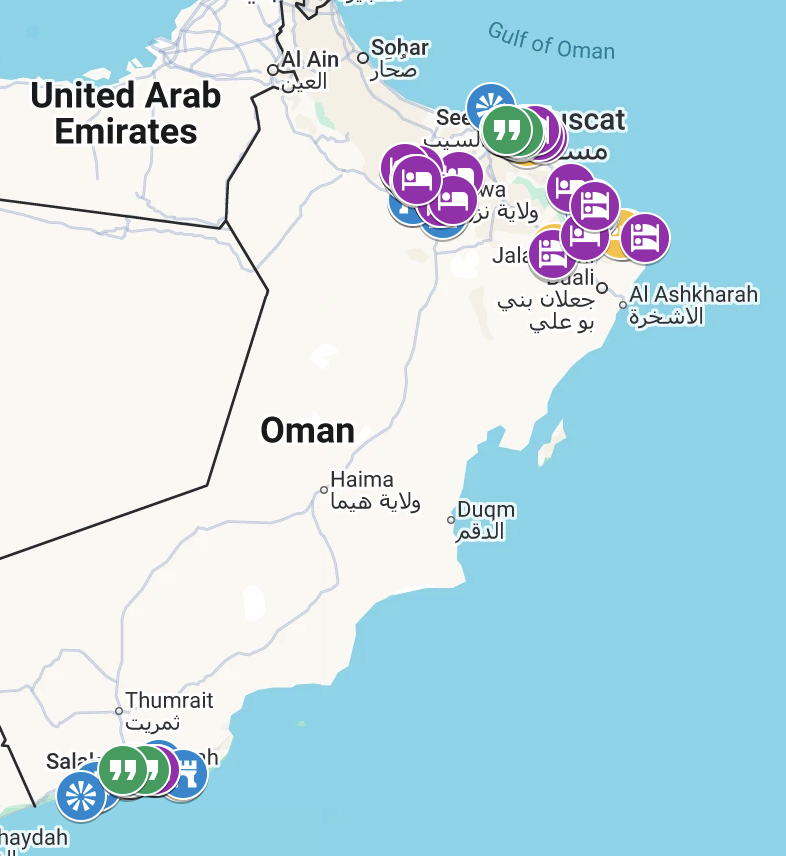
Here's a quick overview of the main sights in Oman that we cover in this itinerary:
Every place in Oman we’d send you to.
Everything that made the cut from our 3 weeks on the road, pinned and ready to navigate in your Google Maps.
- 36Hotels
- 41Restaurants
- 30Sights
- 25Hidden gems
✓ Used by 155+ travellers
1 week itinerary
This 1-week itinerary focuses on the north of Oman and gives you a really nice mix of city, mountains, and culture. If you only have a week, I would deprioritise the desert (it’s a bit of a detour and the wadi experience already gives you that "Arabian landscape" feel) and skip Salalah entirely (it needs an internal flight or a very long drive).
Day 1: Arrival in Muscat
Fly into Muscat International Airport and pick up your rental car. Depending on your arrival time, you can either head straight to your accommodation and rest, or take a short evening drive along Mutrah Corniche to start soaking in the atmosphere.
For where to stay in Muscat, see our Travel Guide. We stayed at Kempinski Muscat for the second half of our trip (although it’s on the luxury end). Mövenpick Hotel & Apartments and Studio M Muscat are also good options. If you want the full list of where to eat and stay in Muscat and all of Oman, head to our Travel Map for Oman.
Day 2: Muscat to Jabal Shams
Today you'll make your way from the coast up into the Hajar Mountains. Before leaving Muscat, do a serious supermarket stop! Stock up on water (we always had a 6L bottle in the car), some snacks, and anything else you might want for the next few days. Once you’re in the mountains, options are limited.
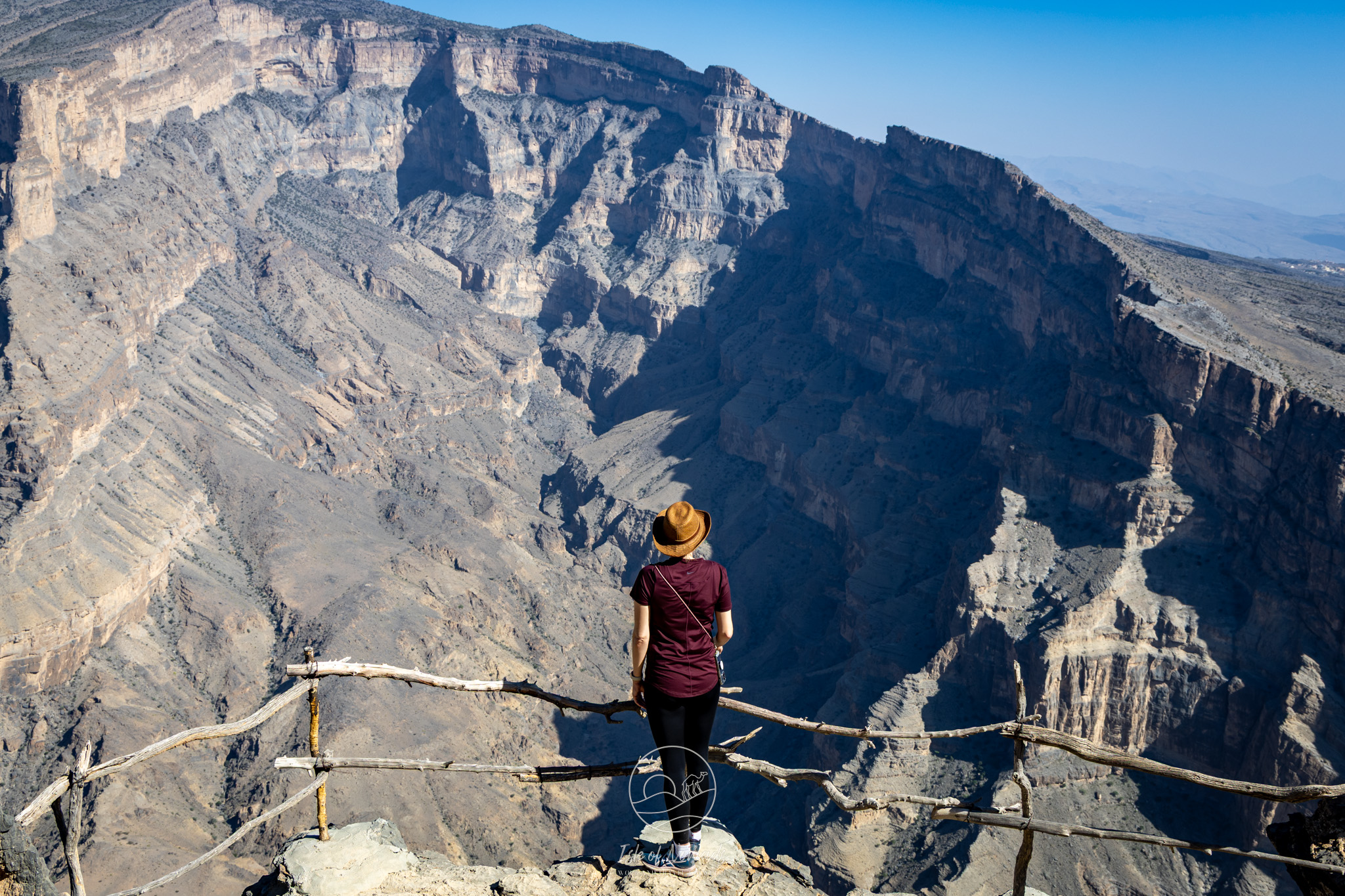
The drive to Jabal Shams takes around 3 hours from Muscat. If you can, leave by mid-morning so you reach the top in time to start the Balcony Walk in the early afternoon. The Balcony Walk is hands down one of the highlights of any Oman trip. It’s a relatively flat trail that runs along the edge of Wadi Ghul, Oman’s "Grand Canyon", and the views are absolutely insane. This guide has a great overview of the route. Plan around 3 hours there and back, and make sure you’re off the trail before sunset (around 5:15pm in November).
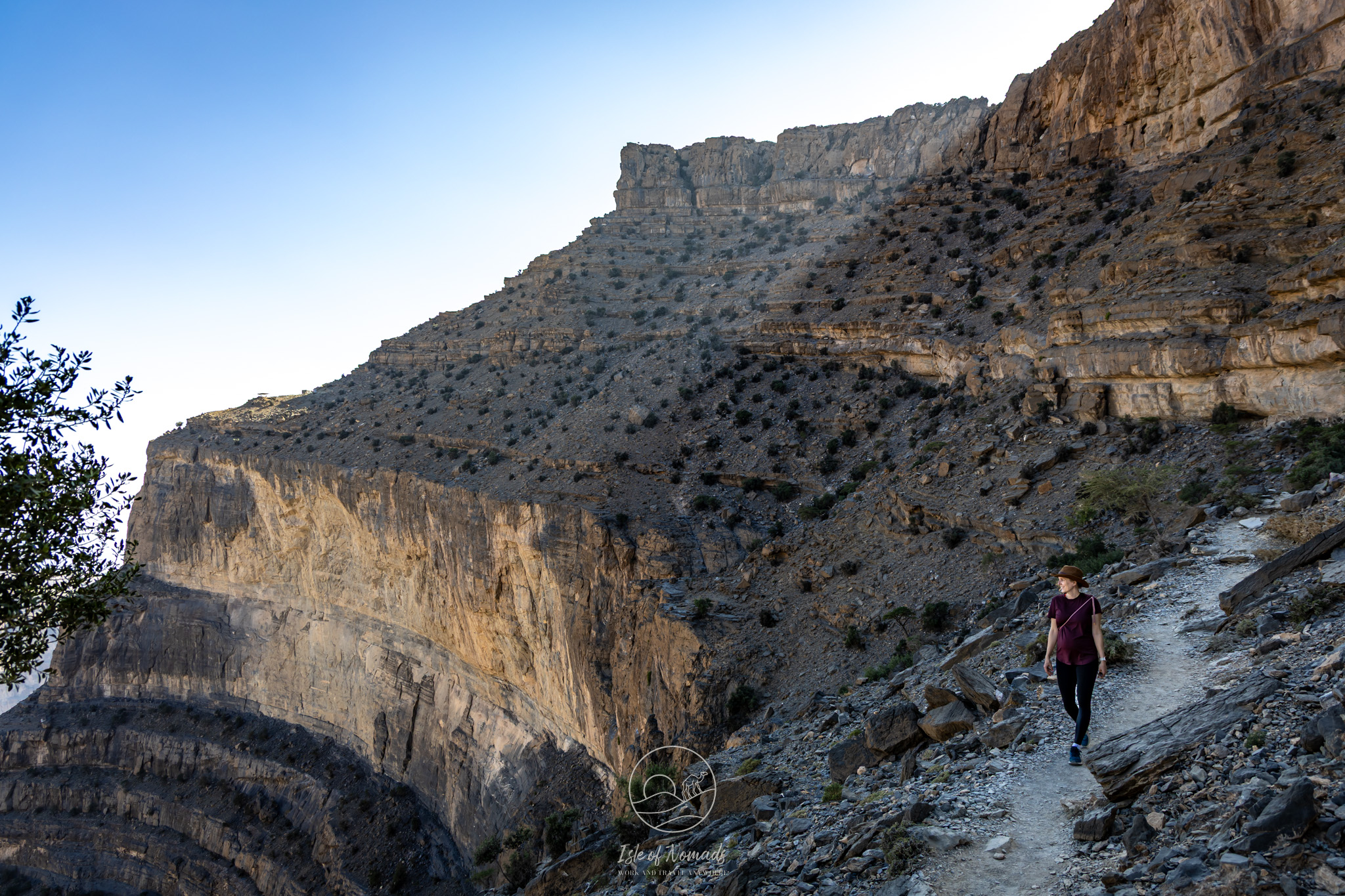
For dinner and to spend the night, we can highly recommend Jebel Shams Sky Homestay. The stay included dinner: simple, hearty Omani food with incredible views. There are several other guesthouses up here, for example The summit house or Jebel Shams Hills.
Day 3: Jabal Shams
Take it slow this morning. The views at sunrise from your guesthouse are stunning (probably no matter where you stay), and the mountain air is unbeatable.
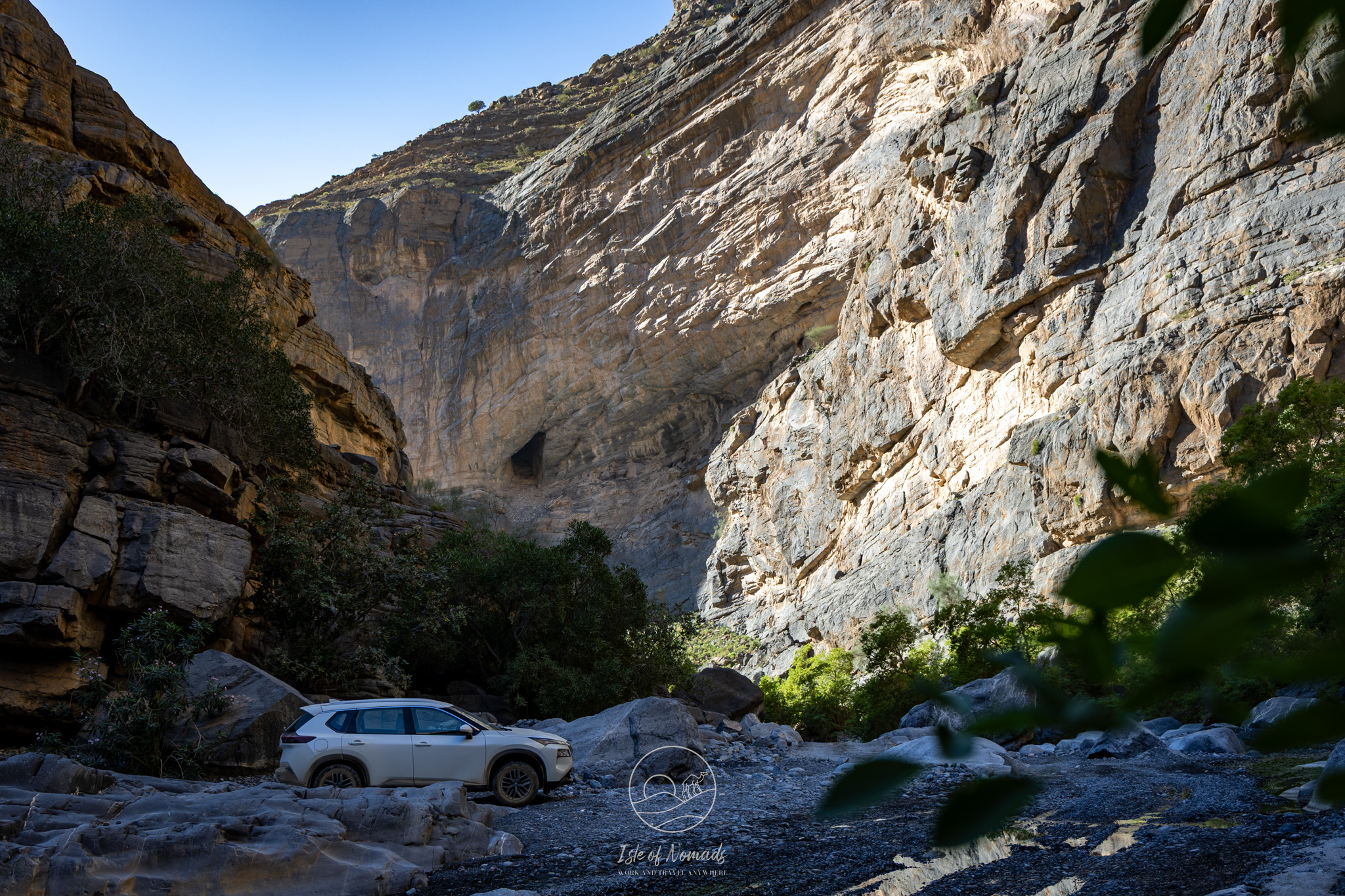
If you have a 4x4, the absolute don’t-miss experience here is driving into Wadi Ghul itself. There’s a rough track that takes you from the rim down into the canyon. You don’t need a guide if you have a 4x4, just a capable vehicle and a sense of adventure. The road in is here. If you don't have a 4x4, you can ask at your guesthouse to arrange this trip. The contrast between the high mountain plateau and the canyon floor is incredible, and you’ll likely have the whole place to yourself.
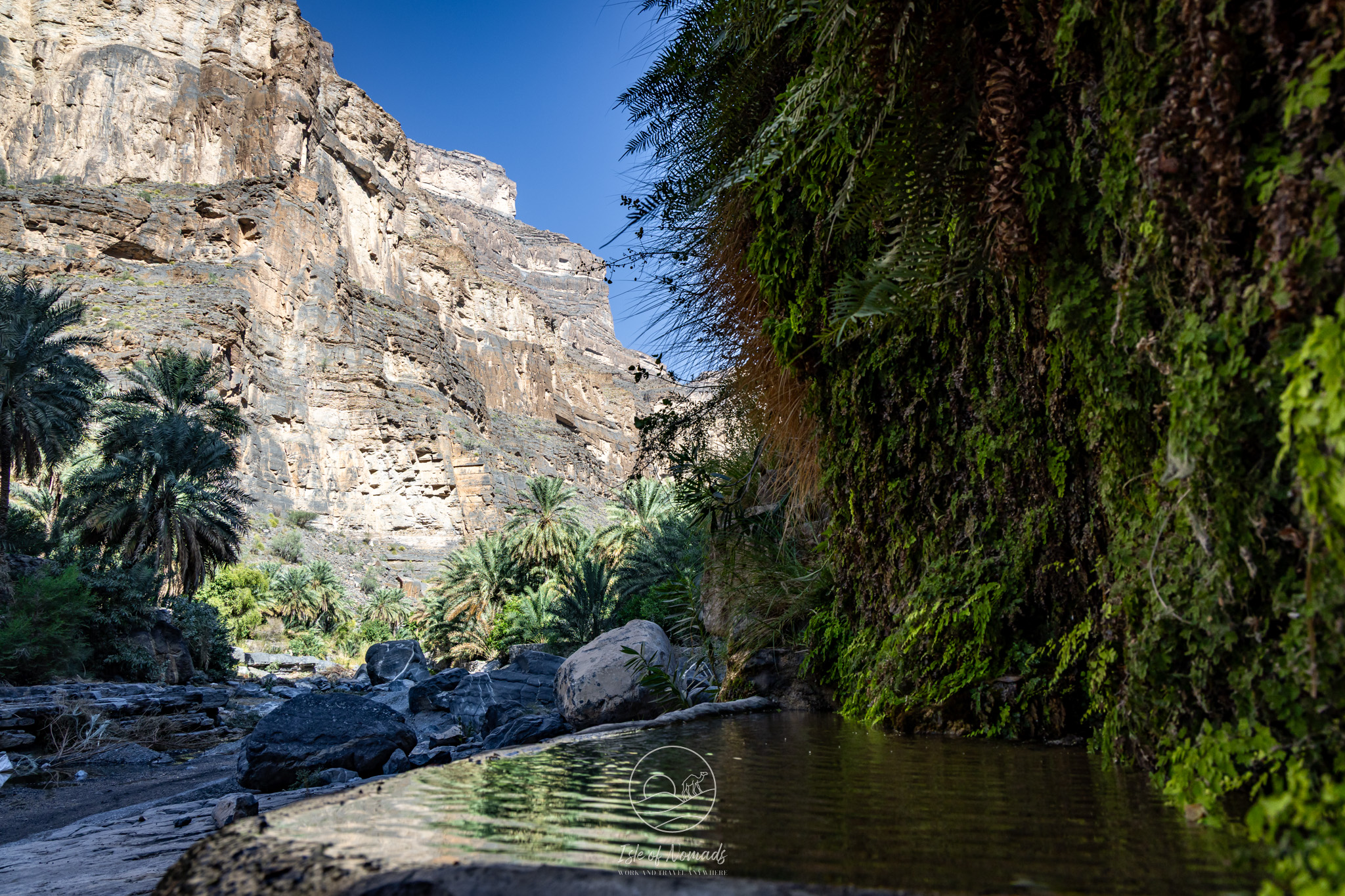
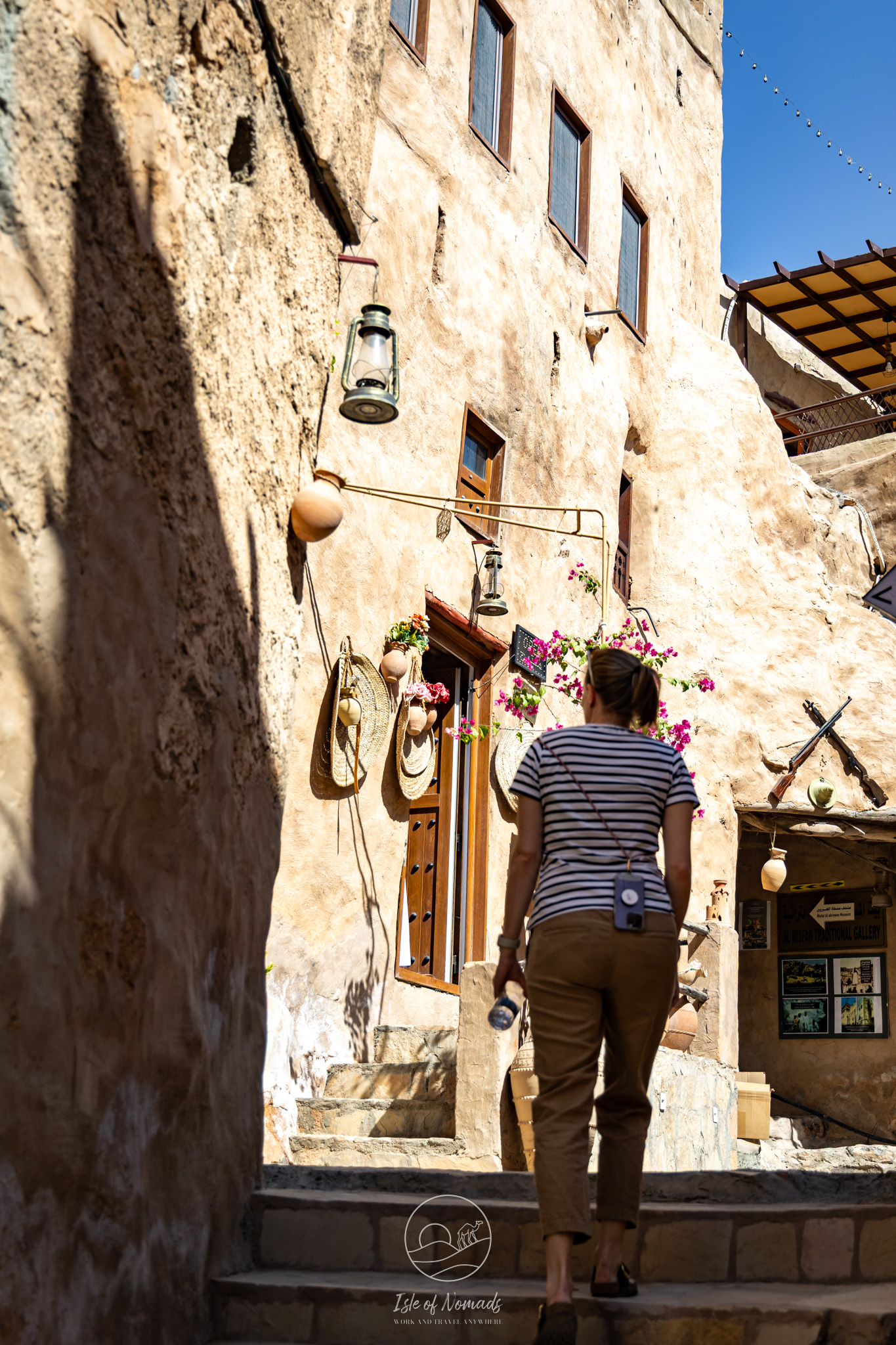
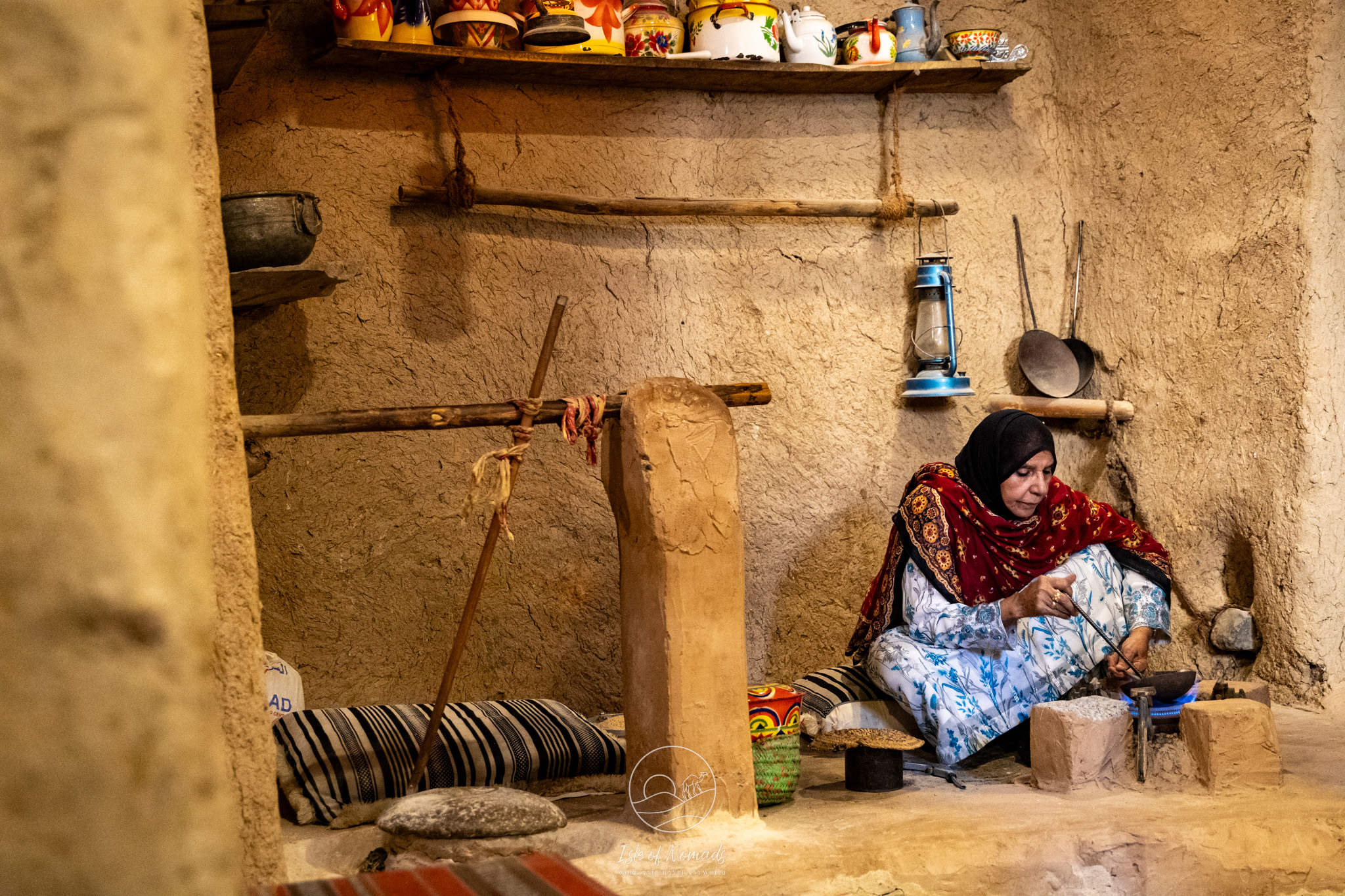
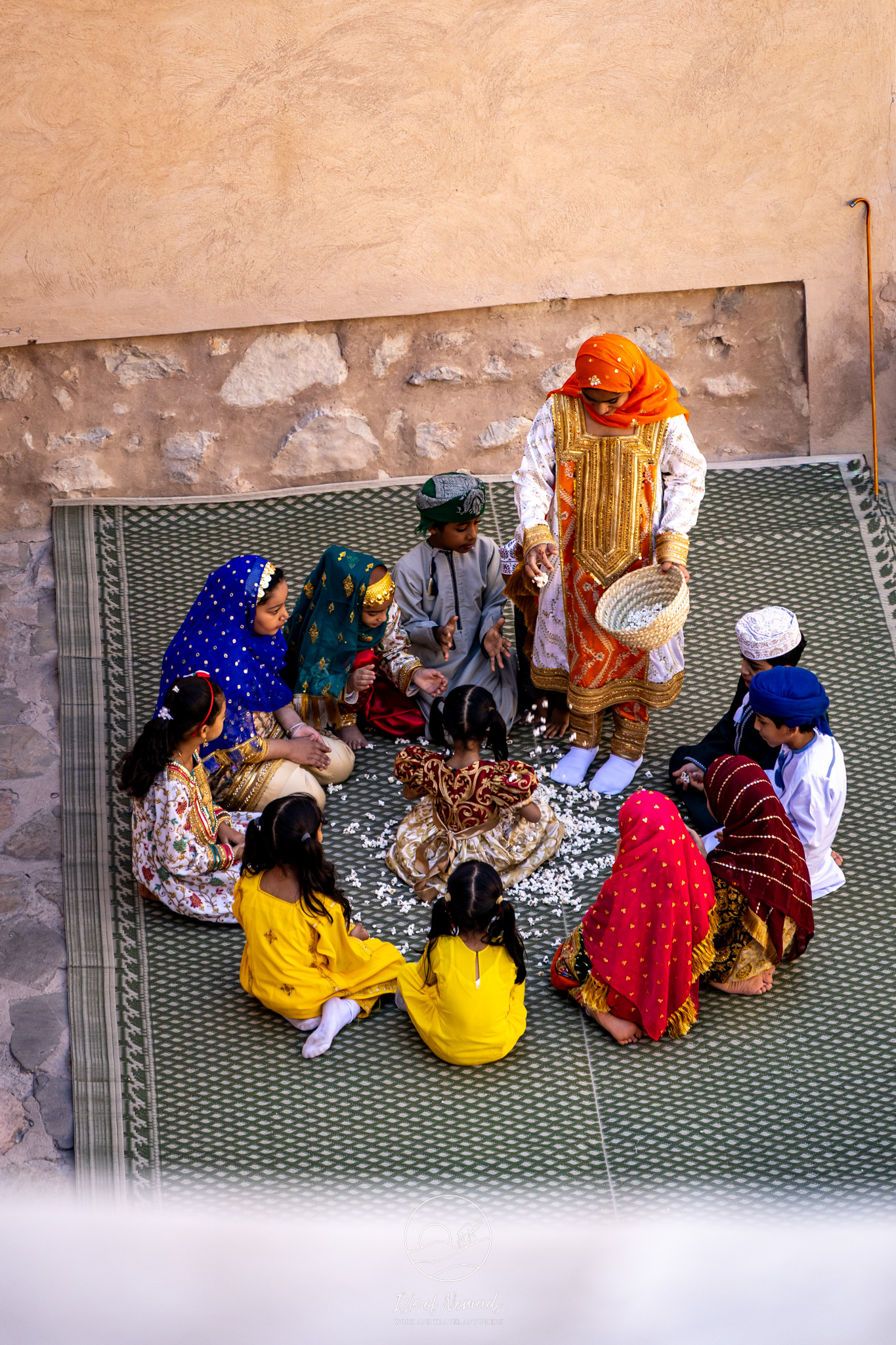
In the afternoon, start making your way back down. If you have time (or are not driving into the canyon), the historic village of Misfat Al Abriyeen (1.5h drive) is well worth a stop. It’s a beautifully preserved mud-brick village with a falaj irrigation system running through it, and you can wander through the maze of pathways and feel like you’ve stepped back centuries. Also, we loved visiting Bait Al Safah. It’s essentially a traditional Omani house where local women demonstrate traditional crafts (making bread, grinding coffee, weaving), and you get to taste everything. If you need to decide between the two, I would recommend going for Bait Al Safah.
Stay the night in or around Nizwa. We can recommend both Alaqur View Inn and Etra Inn. If you have a larger budget, Al Tanoor House is amazing. For the full list (and restaurant recommendations), head to our Travel Map for Oman.
Day 4: Nizwa and Goat Market
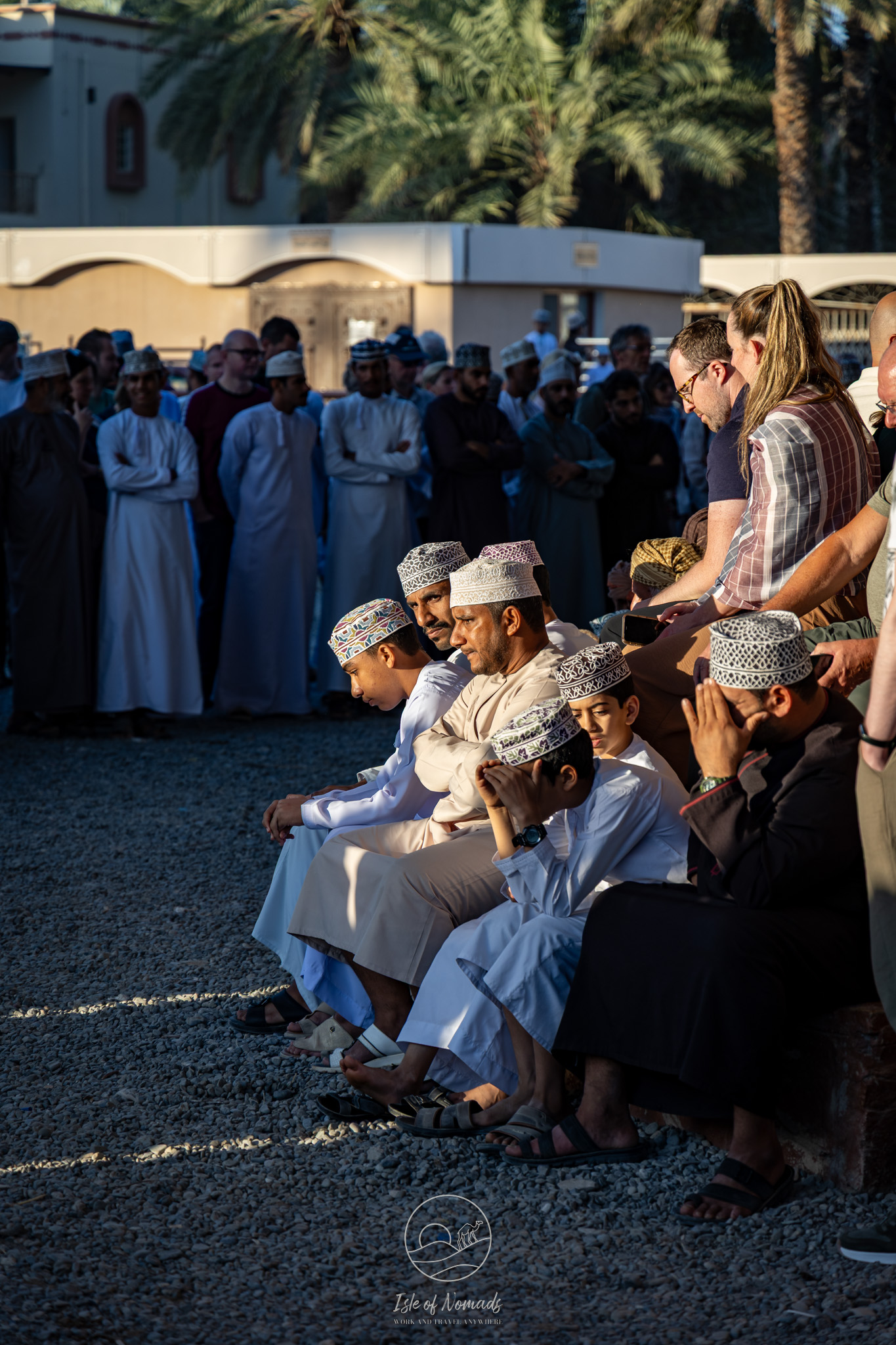
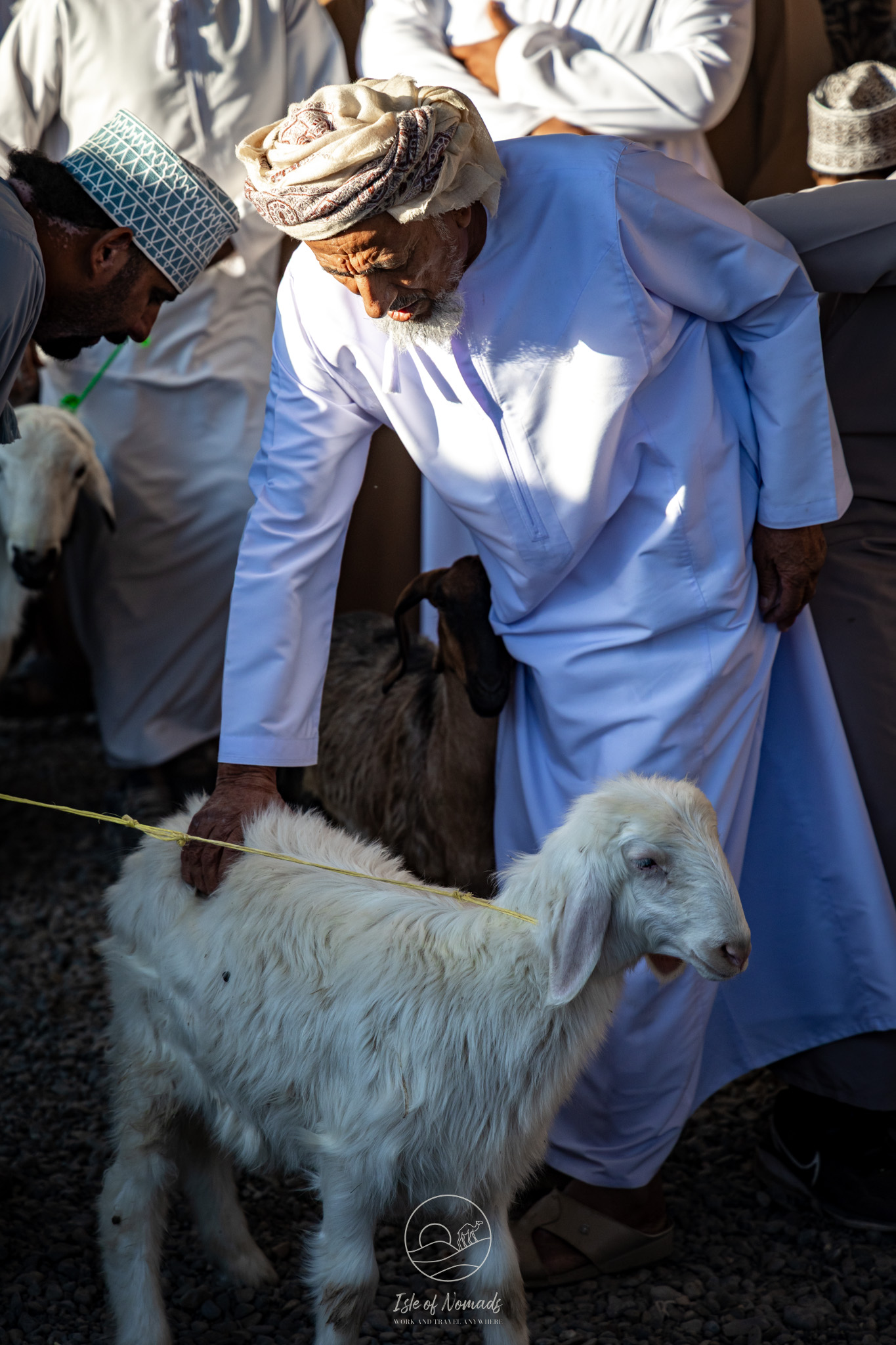
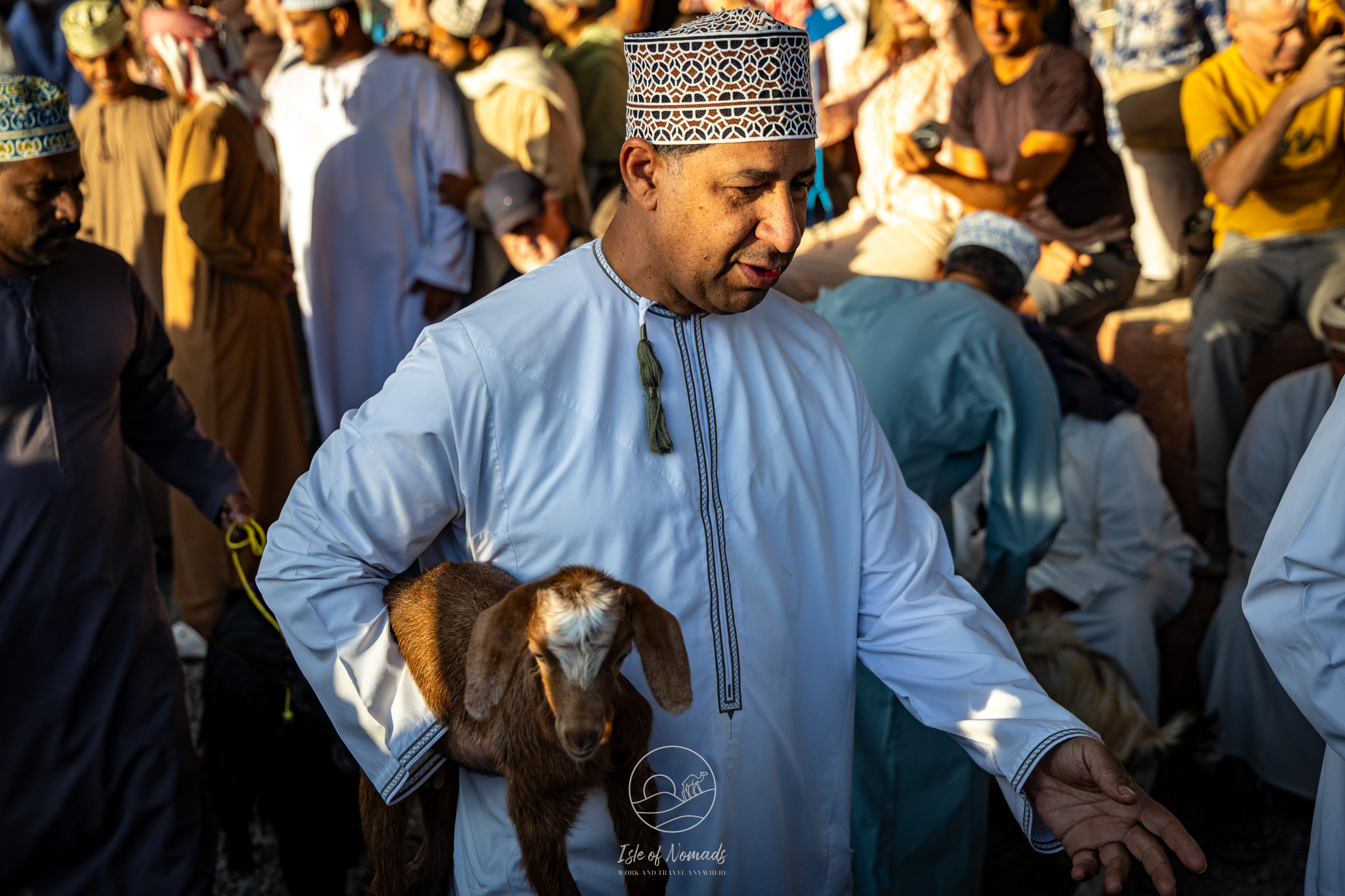
Today is all about culture and forts. Important note: the Nizwa goat market only happens on Friday mornings and starts very early, around 6am. So if this falls on your Friday, set a brutal alarm. It’s 100% worth it. If your Friday falls on a different day, you’ll have to skip it (unfortunately there’s no equivalent on other days).
Even though it’s become more touristy over the years, the goat market is still genuinely fascinating. Locals from the surrounding villages bring their goats, cows, and sheep to be auctioned, walking them in tight circles while bidders shout prices. It’s loud, chaotic, deeply traditional, and absolutely unmissable. After the market, we had breakfast at this cafe and can highly recommend it. There's a beautiful terrace for you to sip coffee while looking at the old town.
After breakfast, head to Nizwa Fort, the most famous fort in Oman. Built in the 17th century, it has the most impressive defensive system in the country (the entry is genuinely sneaky, you’ll see). From there, drive to Bahla Fort (UNESCO World Heritage Site) and then to Jabreen Castle, which is the most beautifully preserved of the three with painted ceilings and lovely interior rooms.
Stay the night in Nizwa again.
Day 5: Around Nizwa and to the Wadis
If you’d like to add Jabal Akhdar to your itinerary, this is the day to do it (note: you need a 4x4 to pass the security checkpoint). This is where we stayed for several nights and it became one of the highlights of our trip. See the 10-day itinerary below for more on what to do up there.
If you don't have a 4x4, I would recommend driving to Bidiyah and joining a tour of the desert for the day. (You can also do this if you have a 4x4 and prefer the desert over Jabal Akhdar, of course).
In the afternoon, make your way to Sur or to the coast, where you'll spend the night. Sur itself is a cute seaside town - so if you arrive early, you can spend some time wandering around and maybe check out العيجة صور on the coast. I wouldn't purposefully try to arrive early for this though.
Arabian Sea Marina is in Sur, and Wadi Al Arbeieen Resort is a good option right on the coast.
Day 6: Drive back to Muscat via the wadis
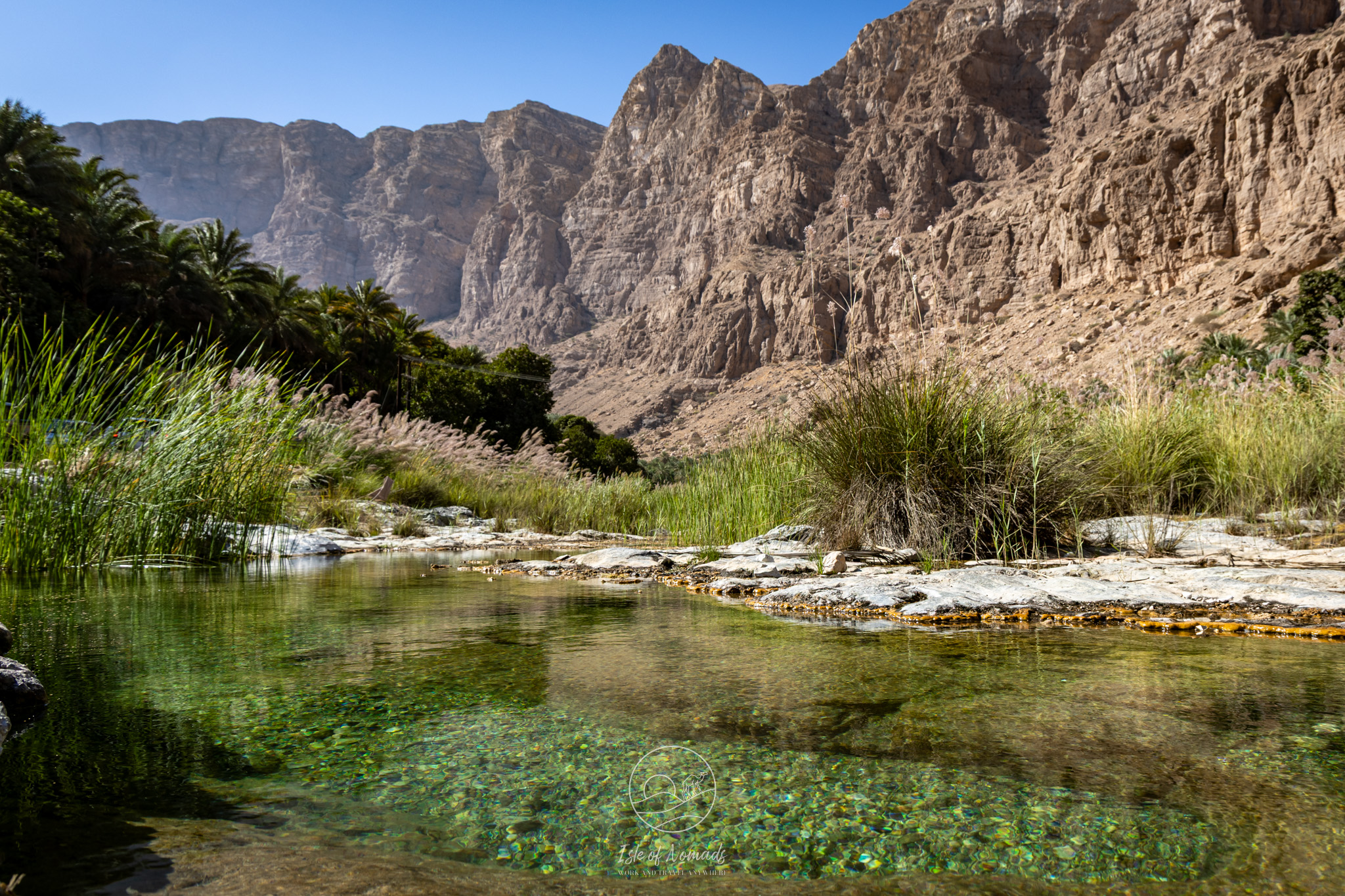
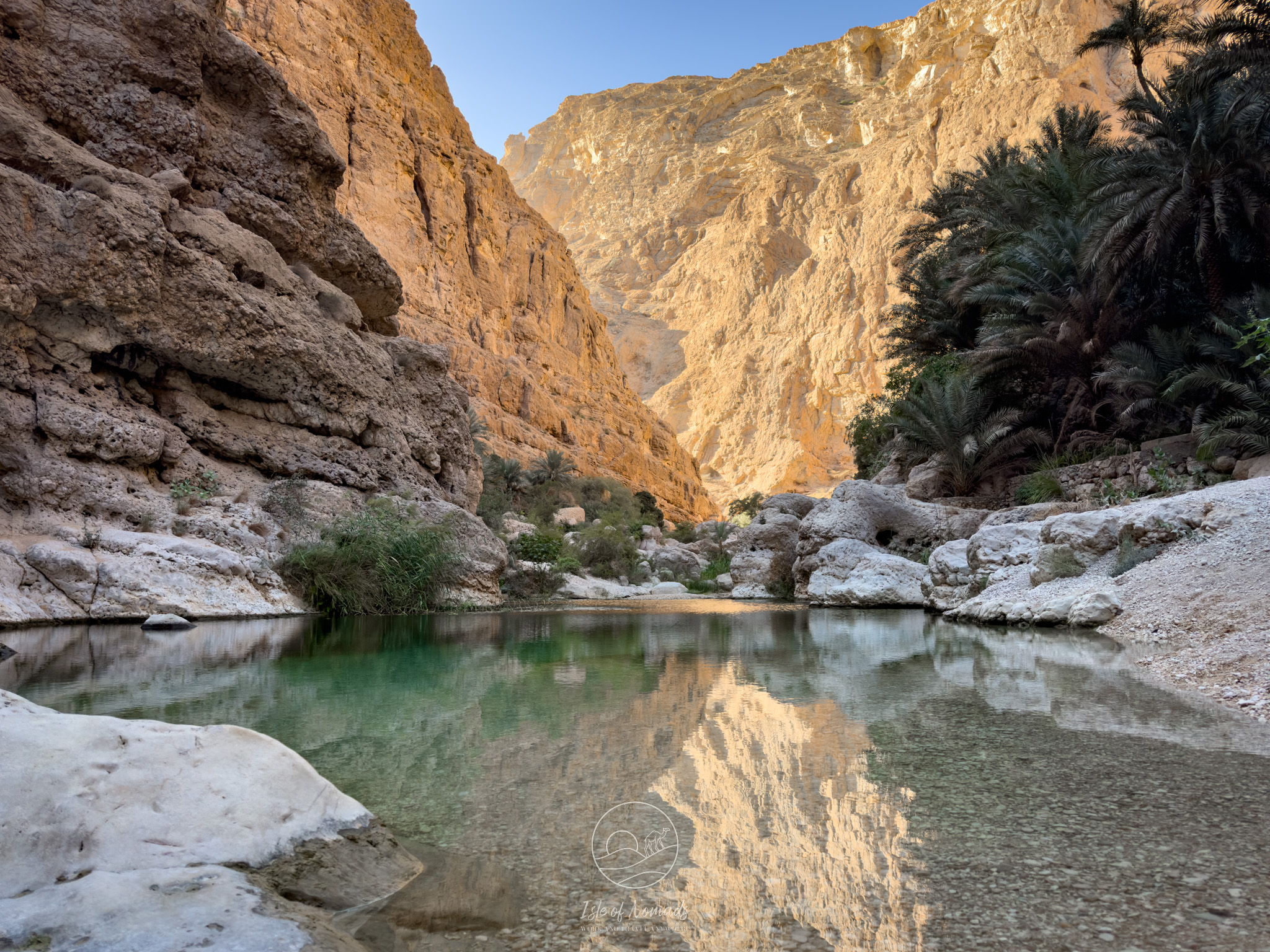
You can’t leave Oman without experiencing at least one wadi (oasis canyon). On your way back to Muscat, make a detour to either Wadi Shab or Wadi Bani Khalid and Wadi Mibam if you have a 4x4, or if you are in for a packed day, do all three.
We did Wadi Shab and Wadi Mibam (slightly off the typical tourist trail), and loved both. Wadi Shab is more popular and can get pretty busy, so go at sunrise or late afternoon to avoid the crowds. It involves a short boat ride across a turquoise pool and then a beautiful hike (involving wading and swimming!) through the canyon.
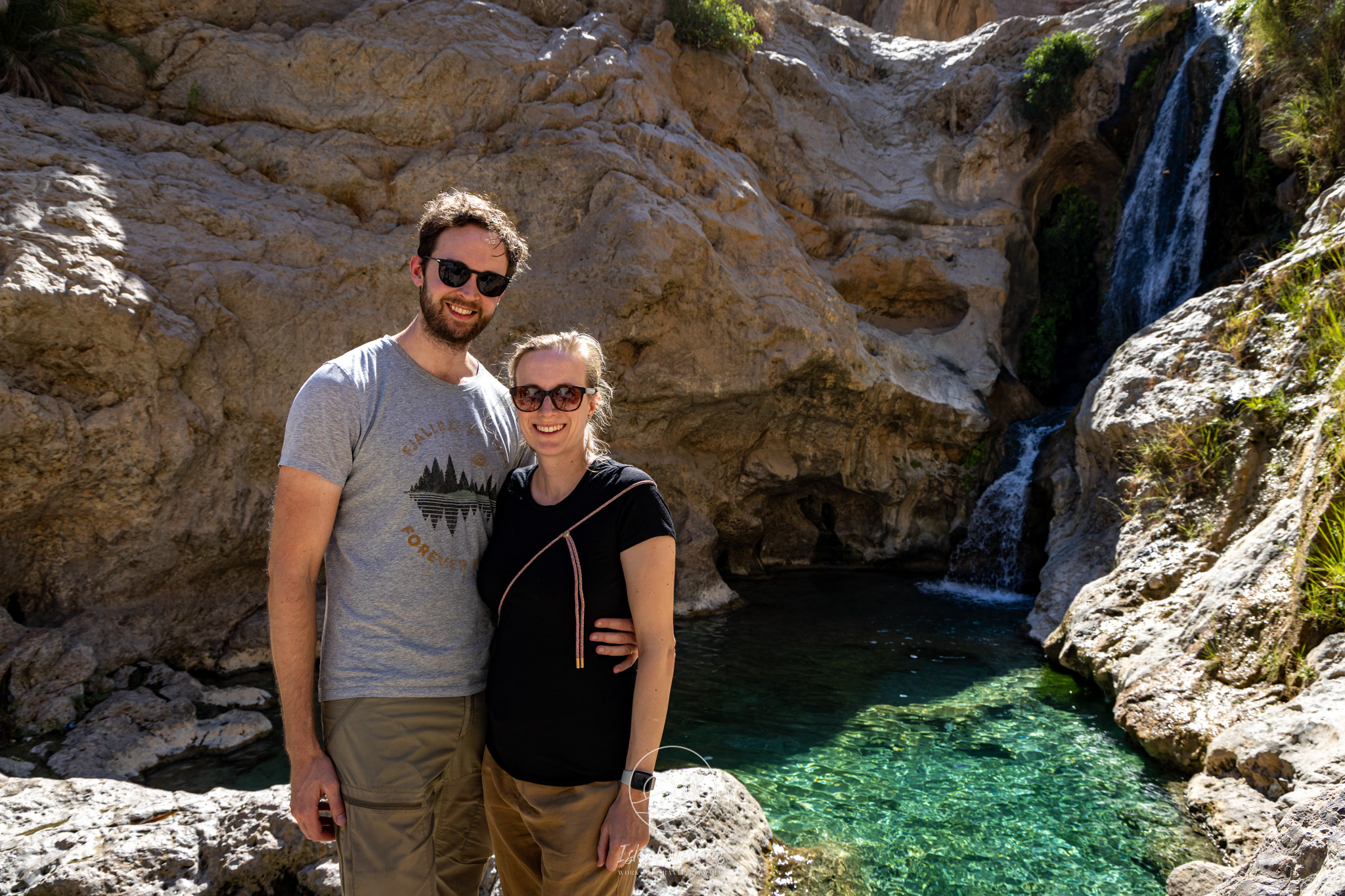
Reaching Wadi Mibam takes you along an adventurous road, that is at times super narrow and quite steep, and depending on the season can also include a river crossing. So I would advise you only do this if you have a 4x4. At the Wadi itself, locals may try to insist on guiding you or charging you for parking. Neither is necessary. The path is super straightforward, and there's a free parking lot right at the entrance to the trail.
After your wadi adventure, drive back to Muscat (around 2-2.5 hours depending on which wadi). This is the perfect time to head to Almohamady Restaurant for a traditional Omani dinner. We did this and loved the experience and the kindness of the owner.
Spend the night in Muscat. Again, we can recommend Mövenpick Hotel & Apartments and Studio M Muscat.
Day 7: Muscat and fly out
Spend your last day exploring Muscat itself. See the Muscat section in the 10-day itinerary below for what to do. Depending on your flight time, you can usually pack in the Sultan Qaboos Grand Mosque (morning only for non-Muslim visitors, until around 11am), Mutrah Souq, and a walk along the Corniche before heading to the airport.
10 day itinerary
If you have 10 days, you have the perfect amount of time to do everything in the 1-week itinerary at a more relaxed pace, plus add a night in the desert and proper time exploring Muscat. If you have 10 days, I would really advise you to get a 4x4 as this will unlock a few very nice experiences you would otherwise miss.
Days 1-2: As above
Follow the 1-week itinerary as above (arrival in Muscat, drive to Jabal Shams).
Day 3: Around Jabal Shams and to Jabal Akhdar (need 4x4 for this!)
Same as Day 3 in the 1-week itinerary, but instead of heading to Nizwa, make your way to Jabal Akhdar in the evening, arriving late at your hotel there.
For accommodation on Jabal Akhdar, we stayed at the Hotel Indigo Jabal Akhdar Resort & Spa and it was, without exaggeration, one of the best hotels we’ve ever stayed at. The location on the canyon rim is unreal, the food was excellent, and they went above and beyond for our baby moon: they decorated our room with pink and blue balloons and folded the towels into adorable elephants. It is on the higher end price-wise, but every single rial was worth it.
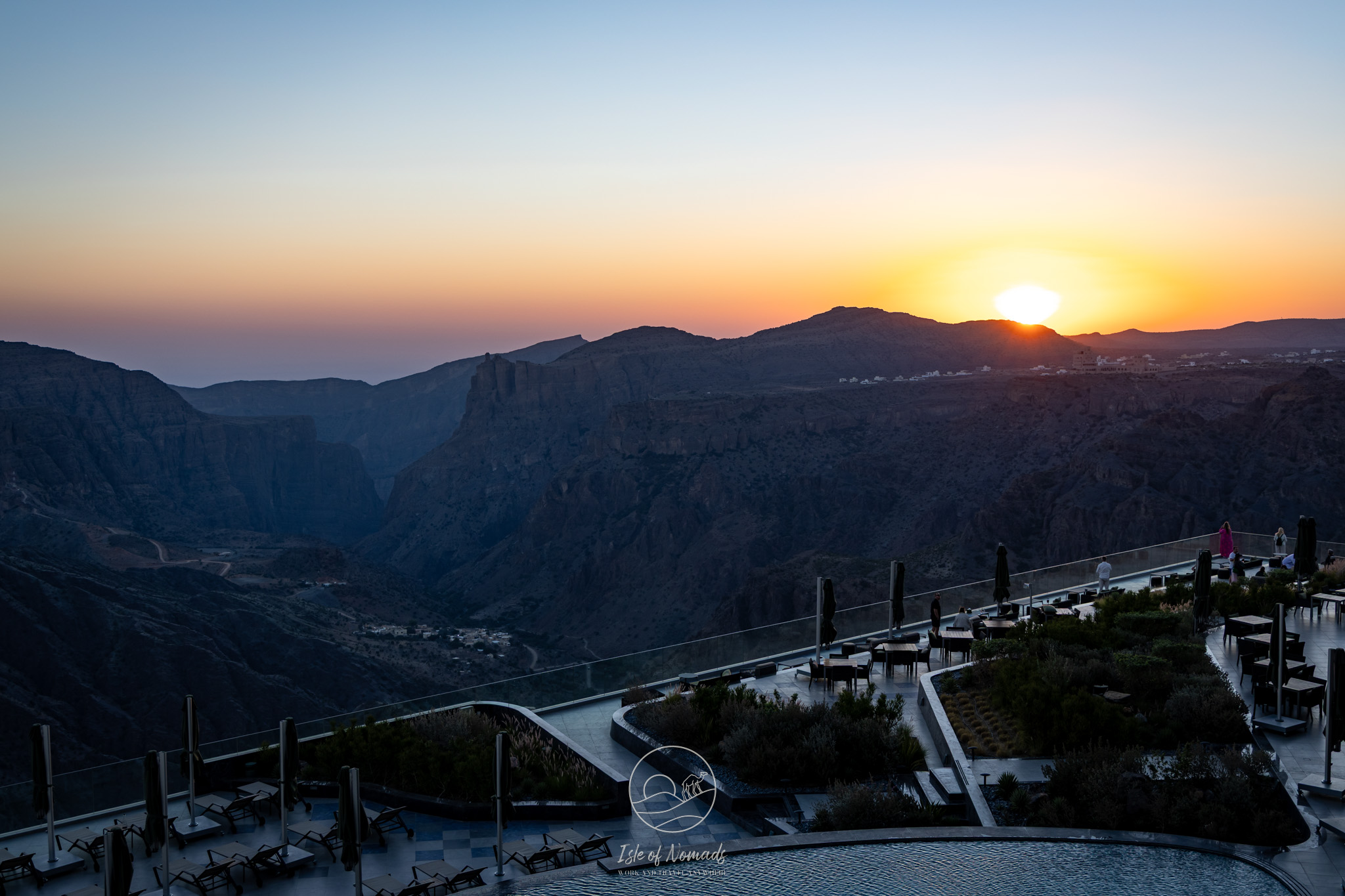
For other options on Jabal Akhdar, see our Travel Guide. There are a few mid-range and luxury options up here. Note that ALL of them require a 4x4 to pass the security checkpoint.
Days 4-6: Chill day, Nizwa goat market and exploring Jabal Akhdar
Depending on when you travel exactly, you can adjust the following days around making it to Nizwa goat market on a Friday morning.
One day in and around Nizwa: Set your alarm for stupid o’clock and drive down to the Nizwa goat market (around 1.5 hours from Jabal Akhdar). The market is in full swing from around 6am to 9am and arriving early pays off! After the market, visit Nizwa Fort, Jabreen Castle, and Bahla Fort. See Day 4 of the 1-week itinerary for details on each. Drive back up to Jabal Akhdar in the evening.
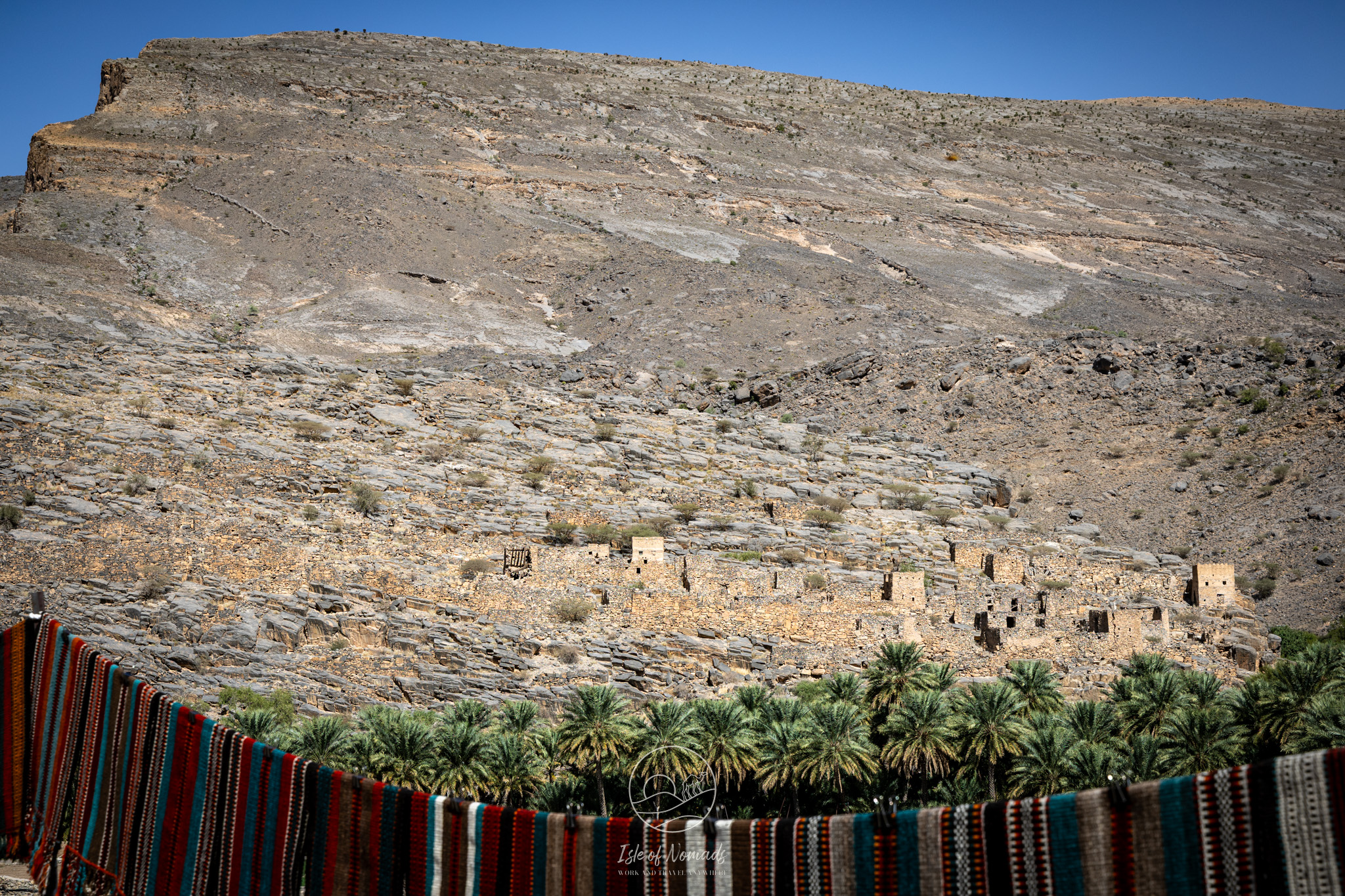
One day in Jabal Akhdar: This day is for exploring the still under-visited gem that is Jabal Akhdar. Head to the village of Wadi Bani Habib - it is only 20 minutes away by car. There’s a short hike down into the wadi to explore abandoned stone houses tucked into the cliffs. Be careful though, much of these villages is in severe disrepair. I would really advise against going into the houses as they could collapse at any point.
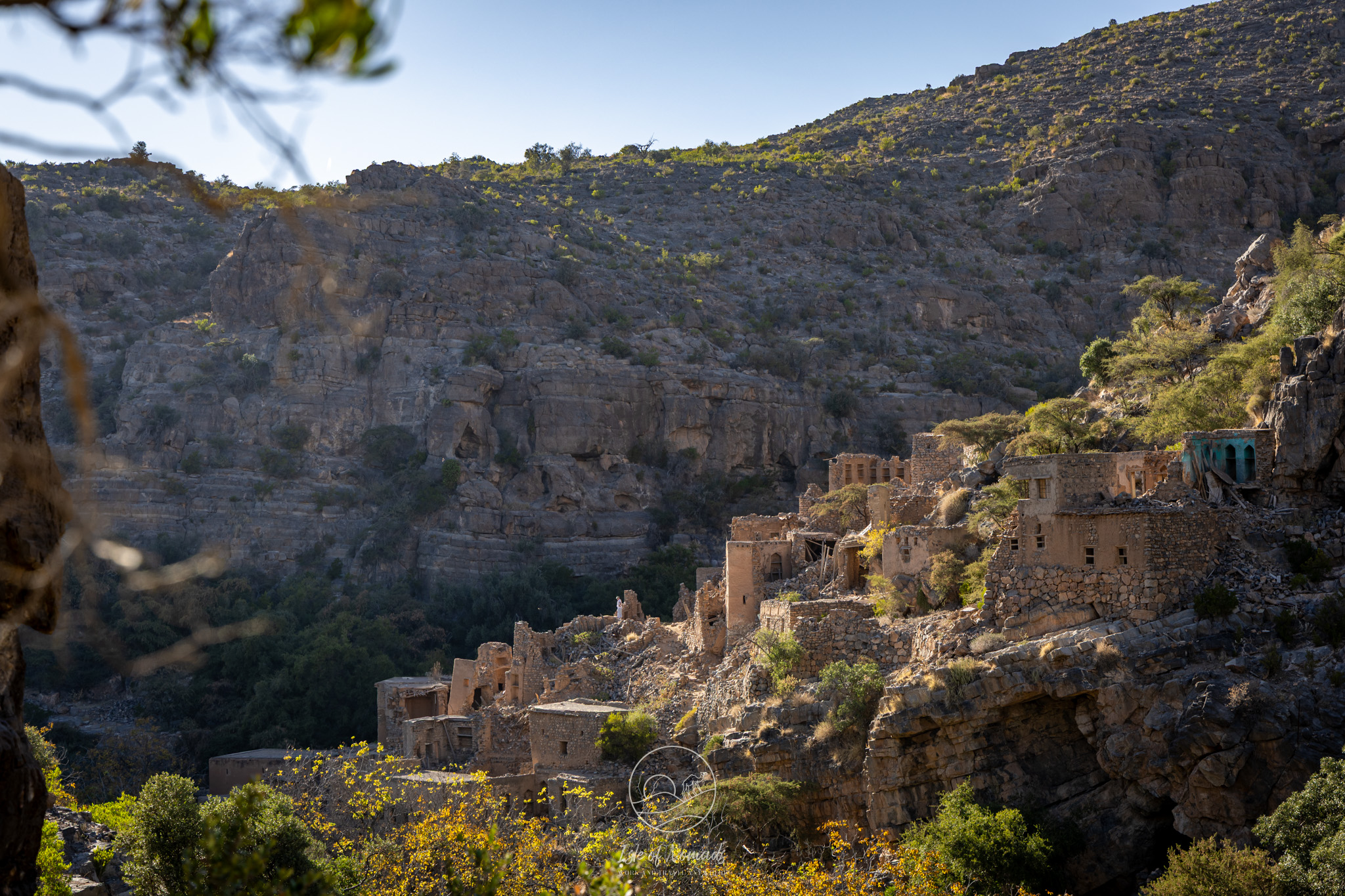
The historic village of Al-Sugra (in Sayq, around 30 minutes away) is also a must-do. It’s a tiny terraced village where rosewater is traditionally distilled and feels like you’ve walked into another century. There now is a hotel and a cafe here, so if you wanted you could opt to stay the night.
One day relaxing: After a few intense days, today is for slowing down. We spent the entire day at our hotel, alternating between the infinity pool, the spa, and just gazing out at the canyon. After all, this was our baby moon!
Day 7: Drive to the desert (Wahiba Sands)
Today, head south-east to the desert. The drive from Jabal Akhdar takes around 3.5 hours. Most desert camps offer pickup from a meeting point at the edge of the desert at a fixed time (typically 3pm), where staff will help you drive into the camp. This is mandatory unless you have serious desert driving experience; the dunes are no joke).
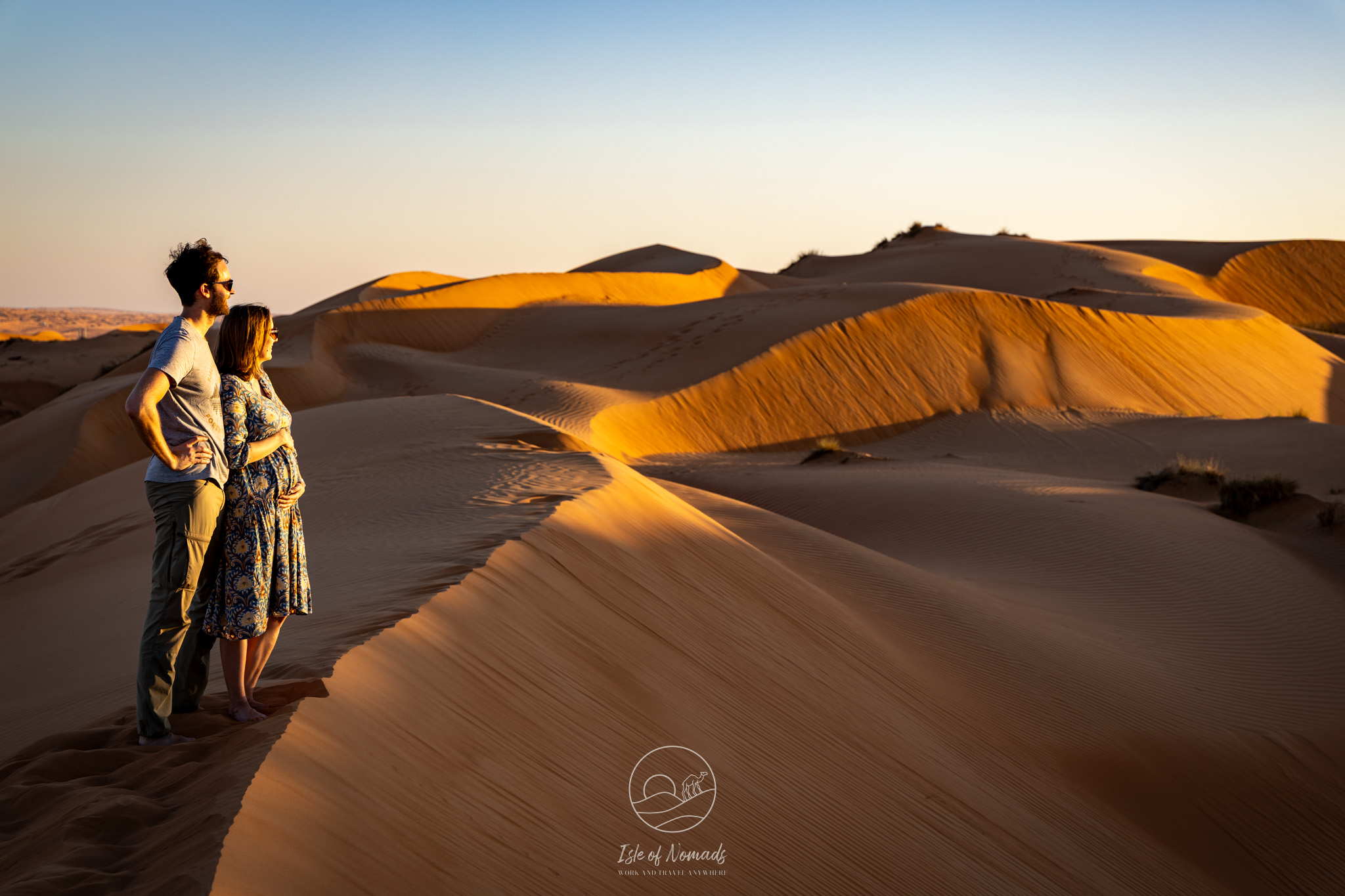
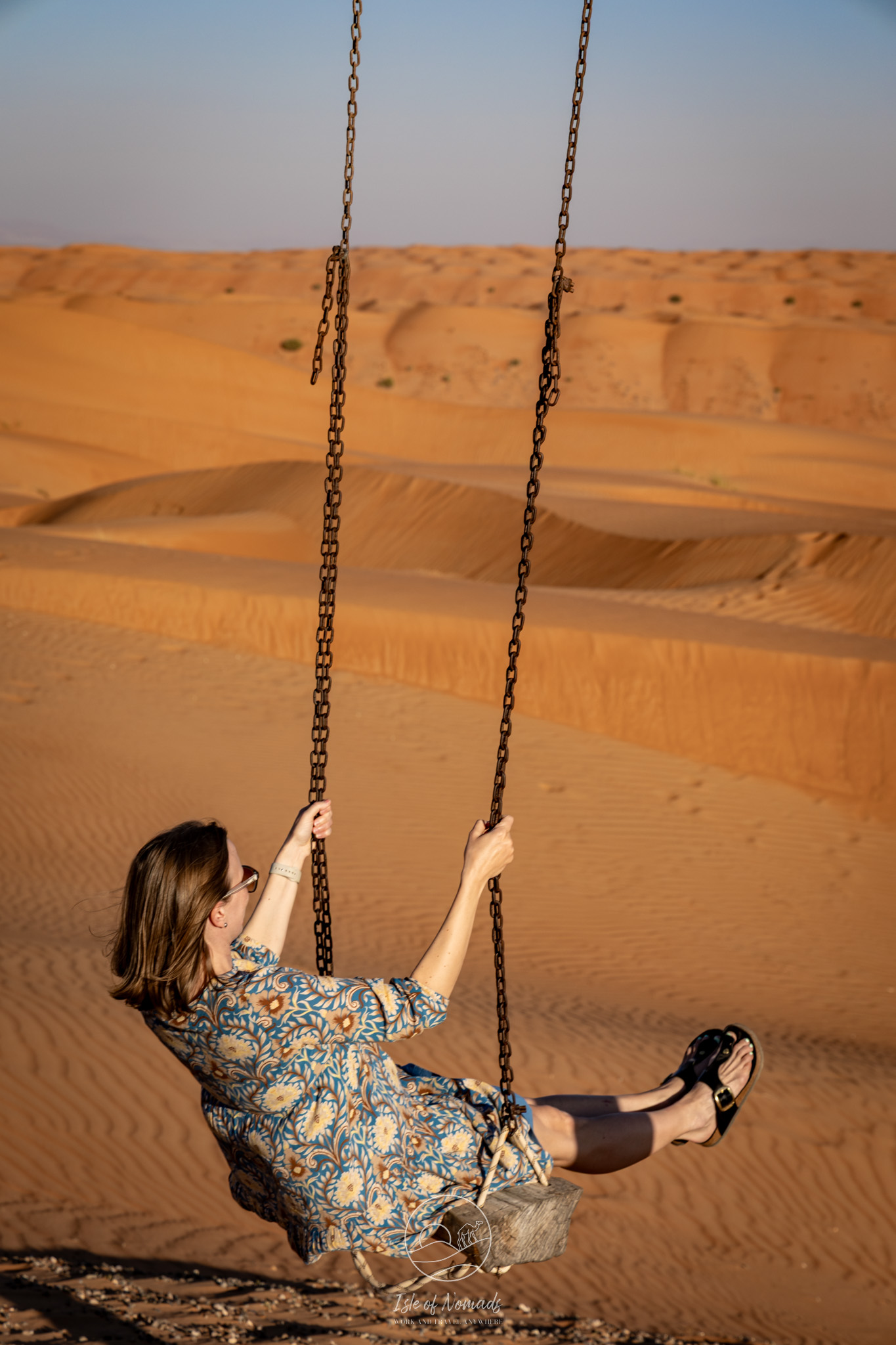
We stayed at Rashid Private Camp. The camp itself was a quiet experience: think no electricity beyond solar, a Bedouin-style tent, dinner under the stars, and absolute silence at night. If you’re looking for action (dune bashing, camel rides), most camps offer those as add-ons, but they weren’t a fit for us (I was pregnant, and honestly even when I’m not, those activities aren’t really my thing). What we loved was simply being in the desert, watching the colours shift at sunset, and lying out at night looking up at one of the most insane skies I’ve ever seen.
There are also more fancy options in the desert if that is what you are after, e.g. Remal Resort Bidiyah or Thousand Stars Desert Camp.
Day 8: Wahiba Sands to Muscat via wadis
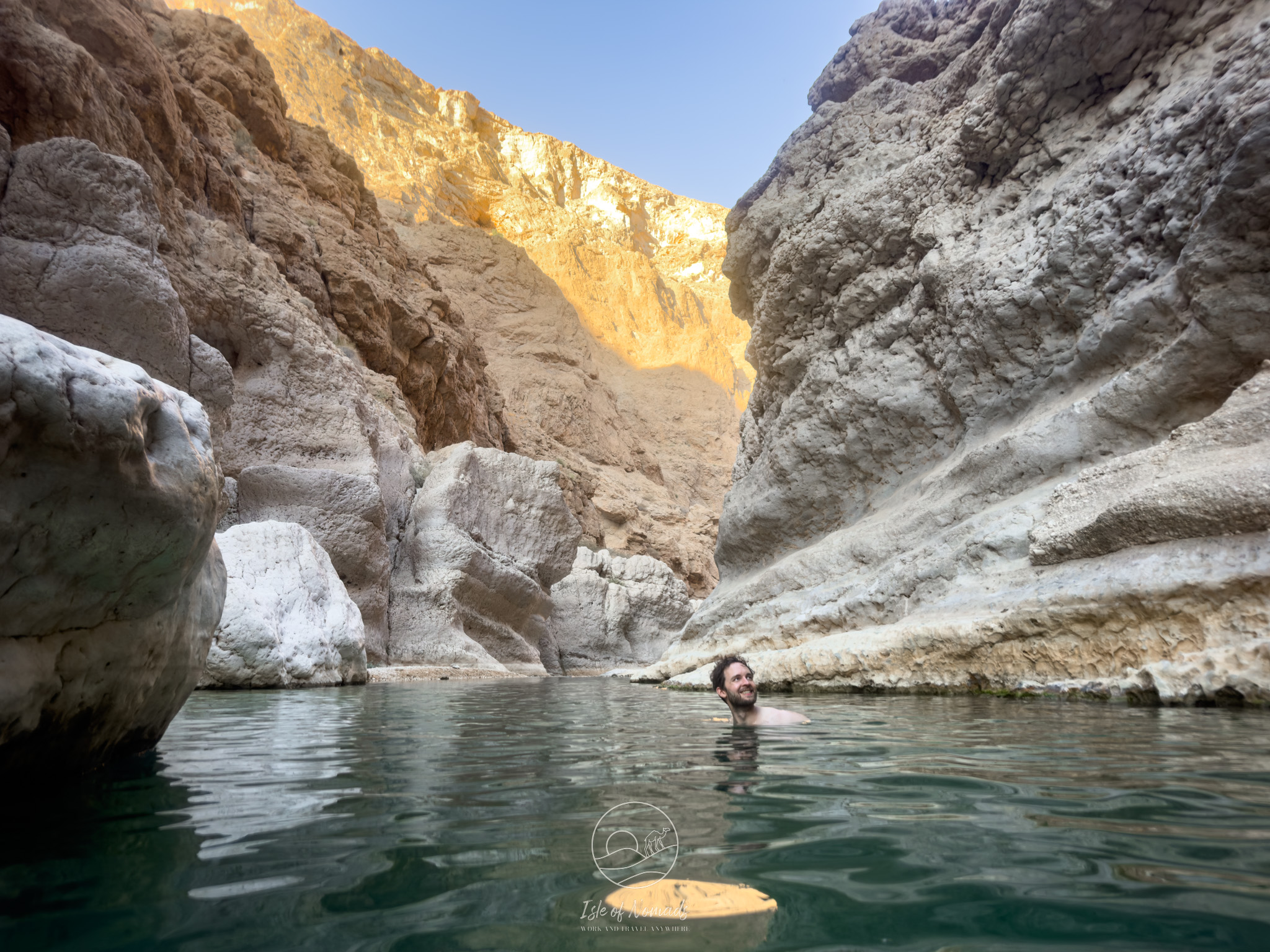
After breakfast at camp, drive back out to your meeting point and continue north towards Muscat. The route back takes you straight past two of Oman’s most beautiful wadis (Wadi Shab and Wadi Mibam), and you should absolutely stop at one (or both, if you have the energy).
See Day 6 of the 1-week itinerary for details on each. Our advice: if you only do one, do Wadi Shab early in the morning (before the day-trippers arrive from Muscat) for the full magical experience. If you have time for both, do Wadi Mibam afterwards. It’s much less touristy.
Continue to Muscat and check into your hotel for the next 3 nights. We stayed at Kempinski Muscat, but have to say - in contrast to the Indigo - it didn't quite live up to neither our expectations nor the price point, so wouldn't necessarily stay there again. Maybe this is also because our experience at Indigo had been so stellar and we went in with very high expectations.
Day 9: Muscat City Tour
We were a bit lazy with Muscat ourselves (after 7 packed days, we were ready for some chilling by the pool), but if you have the energy, the city has plenty to offer. Here’s a great full day:
- Sultan Qaboos Grand Mosque (morning, before 11am): This is non-negotiable. The mosque is absolutely stunning, one of the largest in the world, with the second-largest hand-woven carpet anywhere. Dress code is strict: women need to cover hair, shoulders, knees, and wrists. Non-Muslims can only visit in the mornings (typically 8-11am, closed Fridays).
- Royal Opera House Muscat: One of the most beautiful opera houses we’ve seen. You can join a guided tour during the day, or even better, check the program and book a performance if you’re lucky enough to be there during the season.
- Mutrah Souq and Corniche: Park along the corniche in the late afternoon, then wander into the souq as it’s coming alive in the evening. The souq is one of the oldest in the Arab world and a maze of spice, frankincense, jewellery, and trinket stalls. Bargaining is expected. Walk back along the corniche at sunset. It’s gorgeous.
- Al Alam Palace: The ceremonial palace of the Sultan. You can’t go inside, but the facade and the surrounding old town are worth a photo stop.
- Bait Al Zubair Museum (optional): A privately-owned museum showcasing traditional Omani crafts, weapons, and costumes. Small but lovely.
Day 10: Optional Dimaniyat Islands, fly out
If you have a late evening flight, you have time for one more excursion. A popular day trip from Muscat is to the Ad Dimaniyat Islands, a protected nature reserve about an hour north of the city. Most tours include snorkelling, swimming, and a chance to spot turtles.
Full honesty though: we did this and were a bit underwhelmed. The price felt steep for what it is, and the water had quite a few jellyfish that gave us mild stings. We did see plenty of turtles (which was lovely), but if you’ve done good snorkelling elsewhere in the world, you might find it doesn’t quite live up. If you’ve got the time and budget, by all means, but it wouldn’t be top of my list to recommend.
If you’d rather skip it, a more chilled alternative is to spend the morning at your hotel’s pool or beach, do some last-minute souvenir shopping at Mutrah Souq, and head to the airport in the evening.
2 week itinerary
For the 2-week version, I’d suggest you replace some of the Muscat days at the end with a flight down to Salalah and the Dhofar region in southern Oman. It’s a completely different landscape from the north: frankincense trees, dramatic coastal cliffs, ancient ruins, baobab trees. Well worth the internal flight to get there.
So the itinerary would look like this:
- Days 1-8: As in the 10-day itinerary (arrival in Muscat, Jabal Shams, Jabal Akhdar/Nizwa, desert, wadis back to Muscat)
- Day 9: Muscat city day
- Day 10: Fly to Salalah, afternoon exploration
- Day 11: Salalah west coast
- Day 12: Salalah east coast
- Day 13: Fly back to Muscat, optional Dimaniyat or chill day
- Day 14: Fly out
A note on flights: Oman Air and SalamAir both operate multiple daily flights between Muscat and Salalah. The flight is about 1h45min, and you can usually find return tickets for around 60-100 EUR if you book in advance. Rent a car at Salalah airport. Like in the north, self-driving is by far the best way to explore Dhofar.
Day 10: Fly to Salalah
Take a morning flight from Muscat to Salalah (around 1h45min). Pick up your rental car at Salalah airport. A regular sedan is fine for Salalah. You don’t need a 4x4 here unless you want to drive way off-road.
Spend the afternoon getting oriented:
- Al Baleed Archaeological Park (UNESCO World Heritage Site): Ancient ruins of a frankincense trading port that was a major hub a thousand years ago. Walk through the ruins and visit the on-site Museum of the Frankincense Land to understand why this corner of Arabia became so important historically.
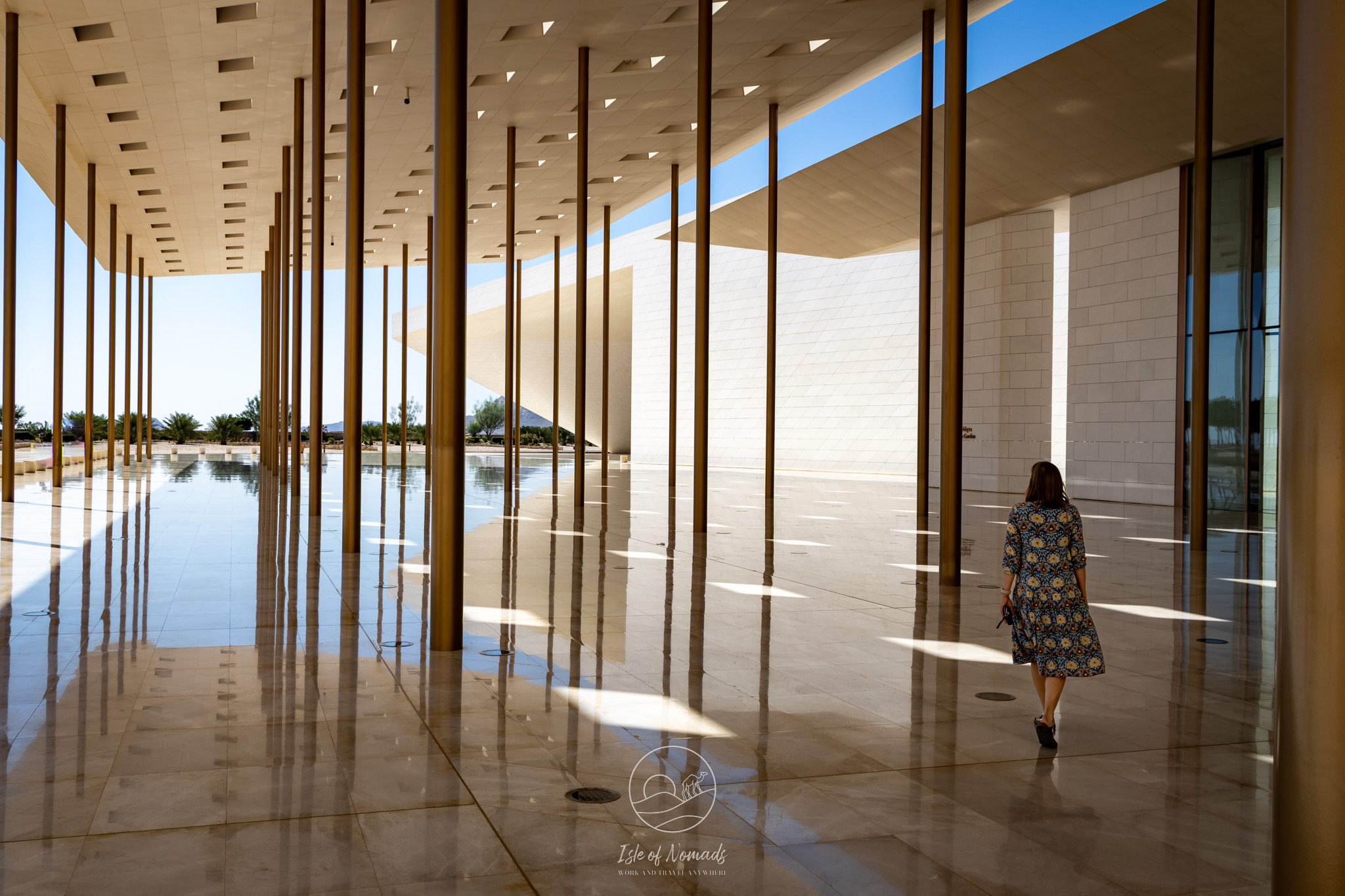
- Sultan Qaboos Mosque Salalah: Smaller than its Muscat sibling but beautiful, surrounded by coconut palms.
- Al Husn Souq (Haffa Souq): The best place in Oman to buy genuine frankincense (it grows literally on the hills around the city). The smell alone is worth the visit.
For all our tips of where to stay and eat in Salalah, head to our Travel Guide to Oman. Koofan Heritage Lodge is a good affordable option, and Palm House and Casa Di Legno Resort are good mid-range choices.
Day 11: Salalah west coast
Today you’ll head west towards the Yemeni border. This is hands down the most dramatic scenery in the Dhofar region.
- Mughsail Beach: A long stretch of pristine beach with stunning cliffs at the western end
- Marneef Cave and the blowholes: At the western end of Mughsail Beach, dramatic sea blowholes shoot water high into the air through holes in the rocks. The bigger the waves, the more impressive the show. Get there at high tide for the best chance.
- The drive to Fazayah Beaches: The road climbs up over the cliffs and then descends through hairpin bends to a string of remote beaches. The drive itself is unforgettable. You can walk down to the beaches for a swim or a picnic.
- Shaat Oman viewpoint (optional, further west): One of the most spectacular viewpoints in the region. Be aware that you may pass an army checkpoint on the way (it’s near the Yemeni border), so bring your passport and don’t take photos at the checkpoint.
Day 12: Salalah east coast
Head east today for a mix of waterfalls, history, and quirky stops.
- Wadi Darbat: One of the most stunning natural spots in Dhofar. During the khareef monsoon (June-September), it transforms into a lush green oasis with waterfalls. Outside monsoon, it’s drier but still beautiful and you can hike around.
- Taqah Castle: Beautifully preserved 19th-century fort in the coastal town of Taqah. Quick visit but worth the stop.
- Anti-gravity point: An optical illusion on a stretch of road where vehicles in neutral appear to roll uphill. Tacky? A little. Fun? Yes.
- Mirbat: Historic fishing town with old coral houses, an old fort, and a peaceful seafront. Great for an evening stroll.
- Jabal Samhan viewpoint (optional, if you have time and energy): One of Oman’s highest peaks, with panoramic cliff views and a slim chance of spotting an Arabian leopard if you’re extremely lucky.
Day 13: Fly back to Muscat
Return your rental car at Salalah airport and fly back to Muscat. Depending on your flight time, you can either do a final Muscat exploration (see Day 9 of the 10-day itinerary) or simply relax at your hotel’s pool for one last afternoon.
Day 14: Fly out
Depending on your flight time, squeeze in any last sights you didn’t get to (Mutrah Souq is always a good last stop for souvenirs), then head to the airport.
The complete Oman travel map.
Every hotel, restaurant, sight and hidden gem from 3 weeks across Oman. Straight into your Google Maps.
This is a splendid map. It is full of detail and ideal for planning a trip. More helpful than the websites I scanned.
Patrick · February 2026
✓ Used by 155+ travelers planning their next trip